Article content
Iodine deficiency threatens one of our most important organs – the thyroid gland. Women are more at risk from this problem than men.
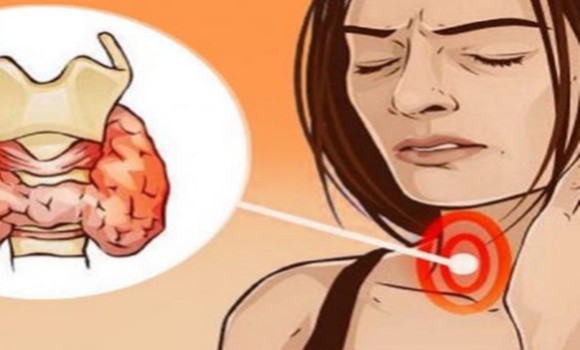
A swollen neck, neck and chest pain, nervousness, breathing difficulties, or trouble swallowing usually accompany thyroid problems
Of course only a specialist can make the correct diagnosis, but if you have been diagnosed with thyroid dysfunction, you should avoid the following foods.
Limit sugar, fried foods and soy
Sugar has a negative effect not only on the thyroid but also on many other organs. So don’t overdo its consumption. Soy, on the other hand, affects the function of some hormones and therefore, if you are taking thyroid medication, it could interfere with their effects. Due to its isoflavonoid content it inhibits the absorption of iodine in the thyroid. There should therefore always be a gap of several hours between swallowing your pills and consuming soy.
Foods fried in a large amount of fat or oil are, of course, generally unhealthy.
But they also have a negative effect on thyroid function
They contain many harmful trans fats. Cabbage, Brussels sprouts, broccoli or cauliflower appear at first glance to be completely harmless, even beneficial foods. However they contain isothiocyanates that inhibit the thyroid’s ability to absorb iodine. Patients should therefore be careful with them.
Don’t overdo coffee and gluten
Gluten has a similar effect to soy and negatively affects the thyroid. Avoid foods high in rye, barley and wheat because they contain a lot of gluten. Last but not least, according to doctors, drinking coffee also has an adverse effect. If you indulge in more than one cup a day, it can affect the function of the thyroid and the adrenal glands.
Finally, a recommendation of which foods you should consume if you have thyroid problems.
These include seafood, seaweed, plums, spinach, blueberries and apples. Beef, eggs, fish, nuts and seeds are also beneficial.