Article content
They say that a good gardener uses everything nature has provided and nothing goes to waste. Almost 40 years of practice will teach you more than a wise apprenticeship and studying books. An experienced grower shared a simple, yet all the more useful reason why he never throws away cut grass. He recommends it to other gardeners as well. He makes an especially effective fertilizer for his crops from it. Don’t hesitate and turn waste into a treasure for your harvest.
Grass and herb ferment
From the cut grass and the plants found in it — for example dandelion — you can prepare a nutritious fertilizer for your plants. Its strength lies in the rich content of elements such as nitrogen, potassium, phosphorus and organic compounds.
Preparing the grass ferment
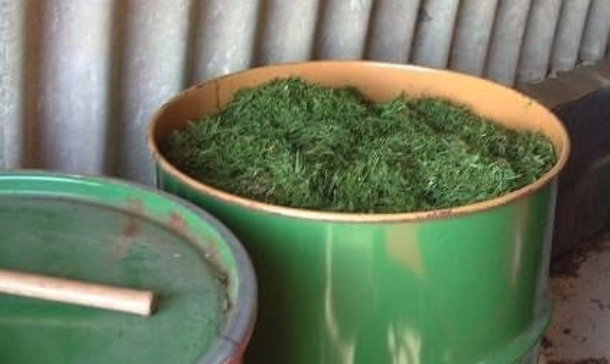
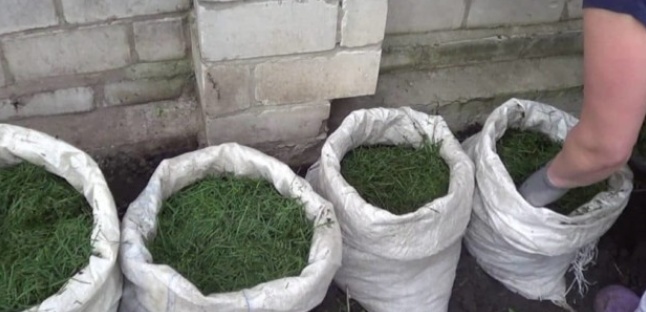
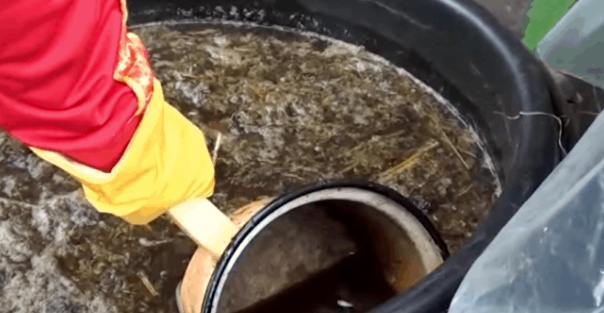
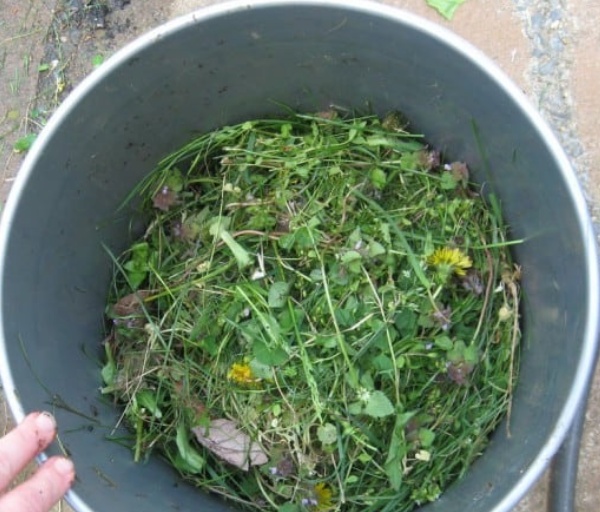
You get the best fertilizer if the cut grass is not completely clean, but the clippings also contain nettle or dandelion — this way you also gain trace elements and valuable silicon dioxide). Pour several buckets of water over the grass — the ratio is 1:1 (as much grass as water). For every 10 l of the resulting fertilizer we add 40 g of superphosphate. Mix everything and let it ferment.
Stir regularly and it is necessary that the container be placed in partial shade. The liquid should be 20–35 cm from the rim of the container, because foam will appear during fermentation that would overflow from the container.
The fertilizer should be ready in 7–10 days. There is no need to filter before use. Simply add rainwater in a ratio of 1:3 and apply to the soil of the plants — ½ l per plant is enough. When the crops begin to flower, also add 1 cup of wood ash or 10–15 g of potassium sulfate. Thoroughly stir before application and then mix with the sediment (the most valuable sediments settle at the bottom of the barrel).
Other ways to use cut grass for mulching
Cut grass is also excellent as a layer of mulch that will protect plants from weeds and keep the soil nutritious, loose and moist. Use it on thuja, raspberries, gooseberries and between rows of vegetables. Keep the mulch layer thicker and it is good to use not fresh but slightly wilted grass.
For making compost
Add the grass to the compost. But not on its own, rather together with other biological waste.
For growing potatoes
It’s simple: at a chosen spot in the soil place the potatoes and cover them with grass to a height of 30 cm. Water occasionally and after a few weeks you can see the first shoots.