Article content
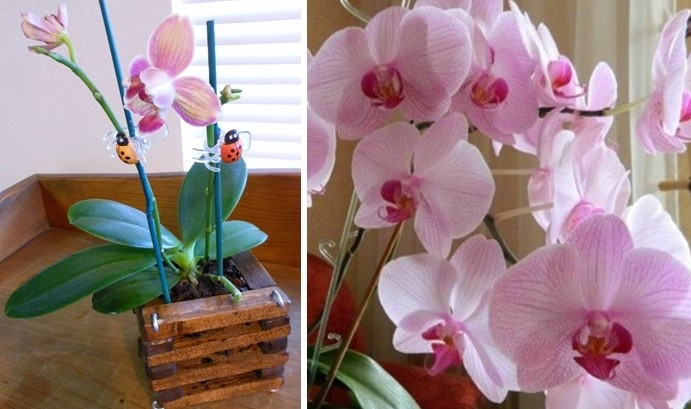
The orchid is a demanding plant. However, know that with sufficient care it will reward you handsomely, and that in the form of its eye-pleasing flowers. What to do to make the flowering last longer? There are several tricks to achieve that.
For this exotic plant to thrive, it is necessary to provide a wide range of conditions suitable for its growth. These include, for example, a suitable air temperature around 18-21 °C, a humidity level (70 % and above), no drafts and adequate exposure to light. Even when all these conditions are met, the flowering period lasts 3-5 weeks, followed by approximately a 2-month break. However, this process can to some extent be adjusted – so that the flowering is longer and the pauses between them, conversely, shorter.
Watering, environment and a suitable pot
Do not move the orchid unnecessarily. Leave it, if possible, in the same place all year with a sufficient supply of diffuse sunlight.
Carry out regular watering by immersing the root part of the plant in a water bath regularly – in the summer period 2-3 times a week, during the winter months 2 times a month is sufficient. For watering, preferably use rainwater with the addition of a few drops of lemon juice.
When moistening the plant do not forget the leaves either. For this a simple spray bottle with rainwater will serve you.
If you want to encourage your plant to flower and make this process easier for it, place apple peels by its stem.
The pot also plays an important role in the plant’s growth. This time not by shape, but by its transparency. It is precisely transparent pots that can best ensure sufficient light reaches the roots. You can use plastic pots; nowadays special glass ones are also easy to find.
Do not forget regular fertilization of these exotic beauties with a fertilizer intended specifically for orchids. In the period from March to October fertilize regularly – preferably every 2 weeks. Besides a special fertilizer made specifically for this type of flower you can also use one-fifth of the dose of fertilizer for ordinary flowering houseplants. Here you must take the composition into account – the given preparation should not contain calcium.