
Article content
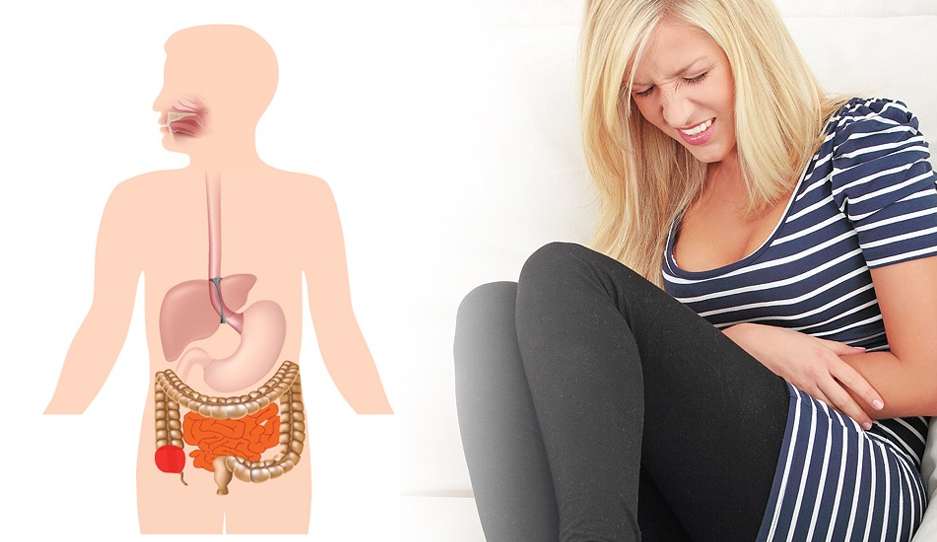
Abdominal pain, bloating, cramps and irregular bowel movements may indicate that something is not right with your digestion. If you experience these symptoms, it’s good to pay attention to the following signs that may point to problems in the large or small intestine.
1. Craving for sweet foods
A disrupted balance of gut flora can lead to an increased craving for sweet foods. At first the craving for sweets may be considered normal, but if it becomes pathological, it may be a sign of problems in the intestines.
2. Psychological problems
There is a close connection between the brain and the gut. If there is a problem in one area, it can affect the other. Depression, stress and anxiety can negatively affect gut function and vice versa.
3. Elevated blood sugar levels
The intestines play a key role in processing food and nutrients, including sugar. If the intestinal system does not function properly, metabolic problems may arise, such as high blood sugar levels or diabetes.
4. Dermatological problems
Skin problems can be caused by many factors, including chemicals, hormonal issues, ultraviolet radiation and intestinal diseases. Long-term skin problems, such as eczema or psoriasis, may be associated with problems in the intestines.
5. Digestive problems
Gas, bloating and diarrhea may indicate that the intestinal system is not functioning properly. These symptoms can be the result of a disrupted balance of gut flora and an overgrowth of harmful bacteria.
6. Bad breath
A disruption of gut flora balance and poor digestion can lead to unpleasant breath. Bad breath may be a signal that you need to focus on gut health.
How to improve gut health?
If you experience any of the above problems, it is important to consult a professional. At the same time, you can take the following steps to improve gut health:
- High-fiber diet: Include more fruits, vegetables and whole grain products in your diet.
- Probiotics: Consume foods rich in probiotics, such as yogurt, kefir or sauerkraut.
- Hydration: Drink enough water to support proper function of the digestive system.
- Regular physical activity: Exercise helps keep the intestinal system in good condition.
- Stress reduction: Find ways to reduce stress, such as meditation or relaxation techniques.
Gut health is key to the overall health of the body. Watch your body’s signals and do not ignore warning signs that may indicate digestive problems.


