
Article content
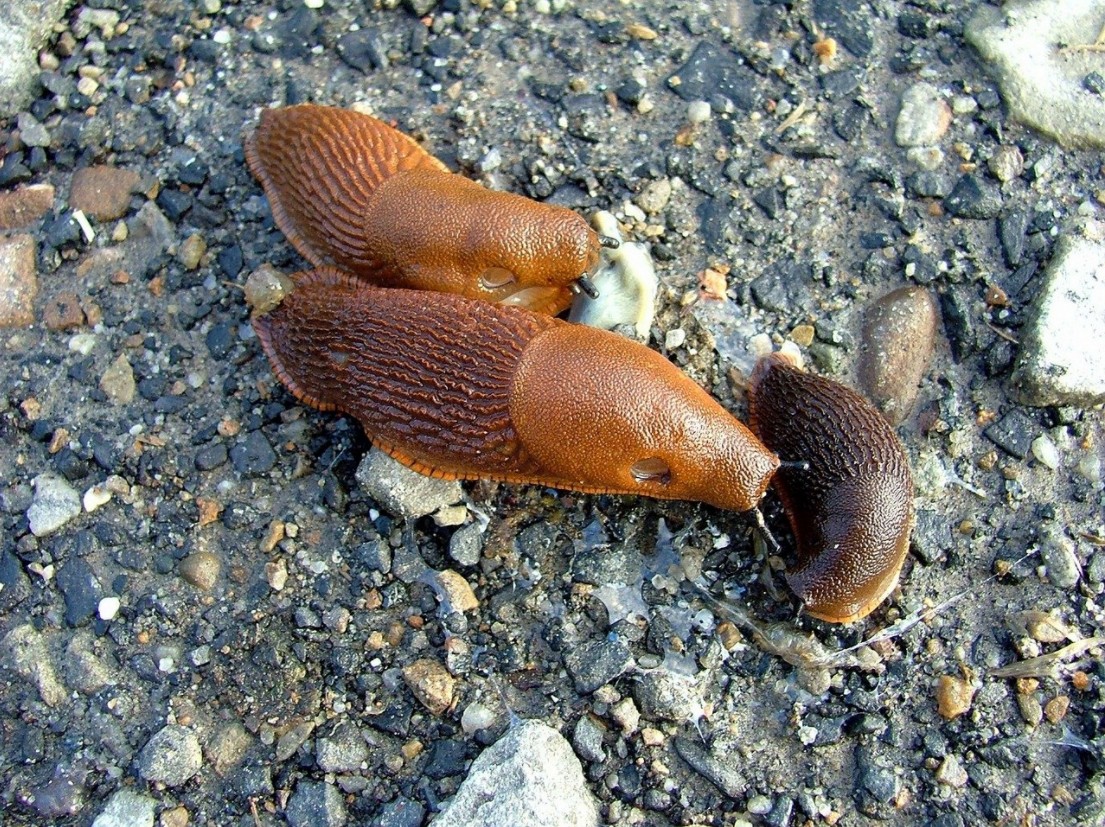
Snails and slugs can destroy an entire harvest in a few days. In stores you can buy various pellets, but the question arises whether it is appropriate to cover the garden with so much chemistry. Fortunately there are natural alternatives that can also deal with the snails. At the very beginning of the season it is necessary to take some preventive measures so that there are as few uninvited visitors as possible.
Mow the lawn regularly
Snails love tall grass where they can hide from the sun. Therefore mow the lawn regularly and water plants early in the morning so that the soil has time to dry by evening. If you want to grow rhubarb, plant it rather at the edge of the bed, because it is the most common target of snail attacks.
On the other hand snails are repelled by strongly aromatic and pungent plants. In particular rosemary, thyme, lavender and marigold do not appeal to them and they try to avoid them if possible. Try to lay various obstacles in the way of snails and slugs – prickly wood chips, needles, shells and the like. Sometimes building raised beds helps, which slugs will be unwilling to climb.
Keep the garden tidy
Keep the garden clean. Rake up rotting leaves, put the cut grass straight onto the compost. By regularly loosening the soil with a hoe you will make movement across the beds and egg-laying harder for slugs and snails. Coffee grounds scattered around the plants will also repel snails because caffeine is a deadly nerve poison for them. It also repels ants and other pests.
If nothing works, you will have no choice but to collect the slugs mechanically. The job will be easier if you lay a wooden board on the ground in the garden and dig a small hollow beneath it. Slugs will gladly hide and gather there to escape the sun. If you transfer them to another place, it should be as far from the garden as possible, because in a single night they can travel up to fifty meters. However, you can also move them to the compost, where they will feed on rotting vegetables and improve its quality.


