

Article content
Do you also often hear that sea salt is much higher quality and healthier than the regular salt we see on restaurant tables and that many of us buy and have at home? Today we’ll look at the differences between these two types and clarify information that is often presented incorrectly or misleadingly.
Lately sea salt is simply a trend
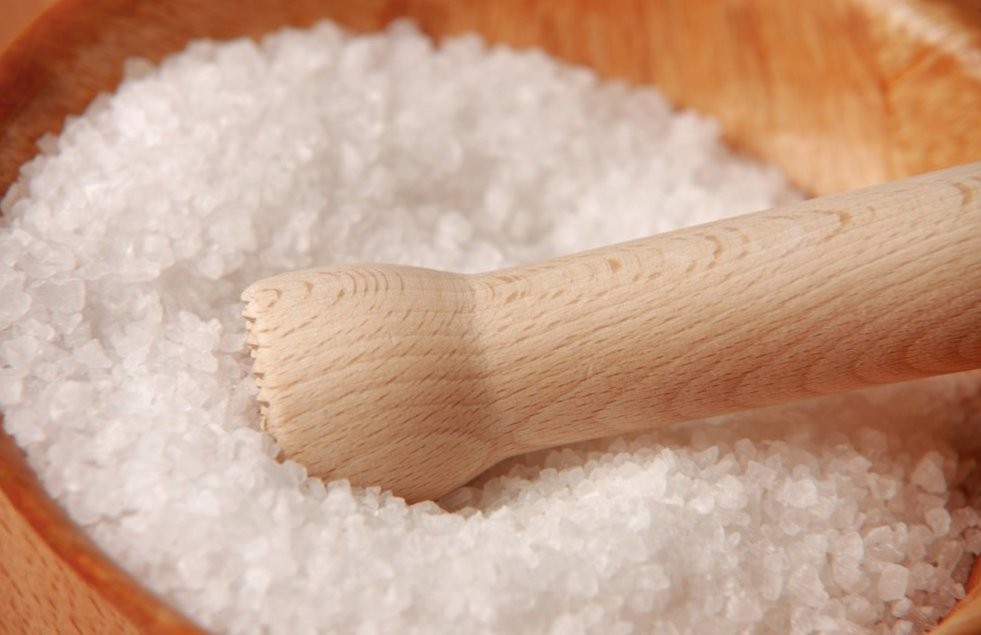
It is said to be more nutritious in terms of mineral content and also healthier. We may disappoint all health-food fans, but it is mostly a “boom” or a marketing move by sellers. The most significant difference between sea salt and regular salt is probably just the size and shape of the crystals.

Looking back in history, all salt used to be sea salt. As climatic conditions changed, of course seawater disappeared from some parts of the planet. Sea salt therefore became fossilized, but its origin is still the same.
Regarding sea salt, the main risk in this case is precisely the current condition of the seas. They are polluted, full of waste, plastics and chemicals, which means these unwanted substances may occur in sea salt as well. Of course, it all depends on the manufacturer, testing and quality control of the product itself.
Not to leave the regular salt shortchanged, of course it can also contain undesirable substances. In this case, however, it is more likely to be mercury and heavy metals that naturally occur in this rock.
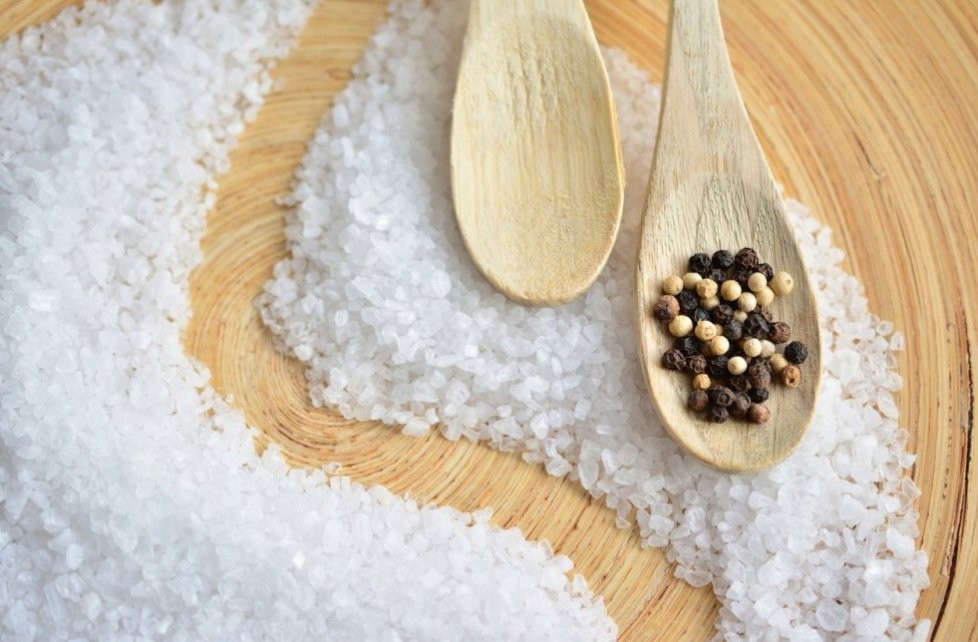
Differences
But when we look at health benefits, differences may exist but are negligible. Both regular and sea salt have the same sodium and mineral content.
Common salt is iodized, which means the iodine content favorably affects the body’s cleansing ability and thus by consuming it you supply the body with the necessary iodine that people are often deficient in. Sea salt is usually not iodized, which means you are actually missing out on iodine. Iodine is important mainly because it contributes to the proper functioning of the thyroid gland. The mineral content remains very similar, if not the same.
So what are the conclusions?
If we had to recommend a salt, definitely choose regular salt, mainly because it contains iodine which the body needs and which is found only minimally in other foods.
Sea salt is very mistakenly considered healthier, since the mineral content is the same. However, if you feel better that you are doing more for your health, go ahead and consume sea salt, but be careful to ensure you also get the necessary iodine into your body.


