Article content
The Journal of Intensive (Emergency) Medicine published a study that showed that magnesium deficiency doubles the risk of premature death and serious health problems.
Magnesium
Although this element works as an effective prevention for a huge number of diseases, up to half of the population currently suffers from its deficiency.
Why magnesium is the most powerful relaxing mineral
Magnesium is today considered by far the strongest mineral that supports the nervous system and helps the body relax.
For example, in life-threatening cardiac arrhythmia magnesium is always administered, usually intravenously for a rapid effect.
It is also used in cases of constipation or before a colonoscopy to relax the bowels, when the patient drinks magnesium milk containing liquid magnesium citrate.
Let us not forget to mention its intravenous administration to pregnant women who experience preterm labor, have high blood pressure or suffer seizures.
Magnesium simply relaxes the body – every manifestation of irritation, stiffness or cramps in the body is a sign of its insufficiency.
What causes magnesium deficiency?
Magnesium is responsible for over 300 biochemical processes in the human body. It is found in every body tissue, but mainly in the brain, bones and muscles.
It is therefore necessary for muscle relaxation, energy production and the stability of cell membranes. It is also found in large amounts in so-called chemical pumps.
As we have already mentioned, magnesium deficiency is relatively common among people. Nevertheless, it is often ignored.

You can find out that you have little of it in your body if some of the following diseases or health problems occur:
- breathing problems – asthma, angina
- mental difficulties – anxiety, chronic fatigue, insomnia, irritability, sensitivity to sound and
- light, lack of attention
- pain – headaches, menstrual cramps, migraines, muscle cramps
- digestive problems – constipation, irritable bowels, obesity, acid reflux, problems with
- rumination
- urinary tract diseases – kidney stones, irritated bladder
- osteoporosis
- premenstrual syndrome
- high blood pressure
- chronic problems – fibromyalgia, diabetes
- inflammations and higher CRP values (a sign of bacterial infections)
Causes of magnesium deficiency
The main cause of the current magnesium deficiency is its lack in the diet, because it is characterized by a high degree of processing (mainly of white flour, meat and milk), during which it is lost from foods.
In addition, we eat fewer foods rich in this important mineral, such as legumes, nuts, green leafy vegetables or seaweed.
The problem is also depleted soil, which has been worn out of important minerals due to intensive agriculture and growing monocultures.
We must not forget also about situations when magnesium is excessively flushed from the body.
This occurs especially with:
- use of antibiotics
- use of diuretics
- excessive consumption of alcohol, salt, caffeine and phosphoric acid (cola drinks)
- long-term stress
- excessive sweating and heavy menstruation
- presence of intestinal parasites
It is also important to realize that the absorption of calcium is affected by other substances. Therefore, if you take magnesium supplements, you should also take vitamin B6, D, K2 and selenium at the same time.

One study states
“It is regrettable that there is a deficiency of such a cheap and non-toxic element, which then leads to an innumerable amount of diseases and human suffering across the world.”
How to correct magnesium deficiency
Fortunately, there is a simple way to correct magnesium deficiency in the body. Follow the following recommendations:
1. Avoid medications that wash magnesium out of the body, such as diuretics and drugs for high blood pressure.
2. Limit intake of coffee, cola, salt, sugar and alcohol.
3. Practice active relaxation.
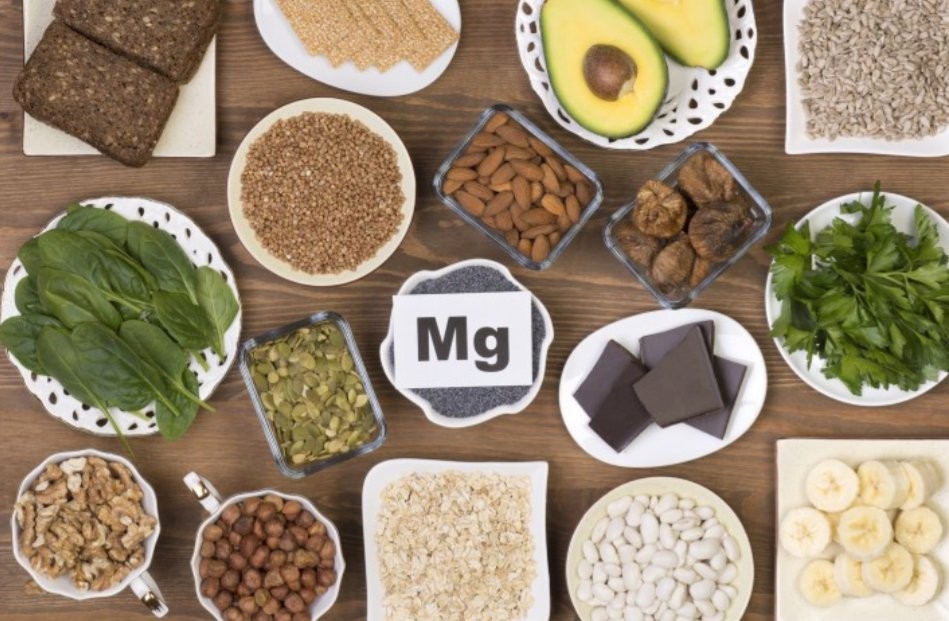
4. Eat foods rich in magnesium – parsley, figs, garlic, almonds, rye, barley, avocado, kelp, wheat germ, cashew nuts, buckwheat, Brazil nuts, pecans, walnuts, dates, Brussels sprouts, shrimp, green leafy vegetables.
5. Take baths with Epsom salt (magnesium sulfate).
6. Take dietary supplements containing magnesium, vitamin D, B6, K2 and selenium.
If you take supplements, the form of magnesium is also important.
The worst absorbed are oxides, sulfates and carbonates. The best are citrates, malt extract and magnesium lactates.
In the case of lactates you must not, at least 2 hours before or after taking them, drink milk or consume dairy products, which would prevent the absorption of magnesium lactates.

Warning
Avoid magnesium aspartate as well, because these are derived from aspartic acid, which has neurotoxic effects on the brain and nerve cells.
Also, if you suffer from kidney stones or serious heart disease, be sure to consult your doctor before taking magnesium.
Conclusion
Magnesium is a true miracle for relaxing the body in many ways.
Therefore, if some of the symptoms listed in this article occur to you, do not overlook magnesium deficiency as their possible cause.
Before you start taking any other medications, try supplementing magnesium first and then see whether they disappear on their own.