Article content
Have you ever had a heart attack? Sometimes it may seem that the circumstances that can cause it are beyond your control.
But that’s not entirely true. Many bad decisions you make every day can also lead to a heart attack. That’s why it’s good to know them and avoid them.
The most important thing to know is that effectively reducing your risk of a heart attack is entirely within your power.
Below we list common triggers of heart attacks (which you may not be aware of) and tips you can use to prevent one.
The following triggers can affect you for a long time or strike in an instant. Either way, they are things you need to keep in mind.
1. Cold weather
When we go out into the cold, for example to shovel snow, our arteries are used to constricting. When they narrow, the heart needs to work harder to pump blood throughout the body and keep us warm.
If it is forced to work too hard, it can lead to sudden death. Literally.
Solution: Wear warm clothing no matter how silly or ridiculous you might look in your grandmother’s coat.
Shoveling snow is hard and tiring work that brings 11 000 people to the hospital each year, 7% of whom suffer heart problems (and most of those suffer a heart attack).
2. Gum disease
This infection can allow bacteria to enter the bloodstream. Once they get in, they can clog fatty deposits in the blood vessels, which can cause clots and lead to a heart attack.
Solution: Start using dental floss! Food gets stuck between your teeth and gums, but flossing helps reduce this risk.
Some home natural remedies, like gargling with salt or oil, can help you eliminate infections that have the potential to cause a heart attack.
3. Lack of sleep
If you don’t get enough sleep, you can feel tired, unhappy, and even increase your risk of a heart attack.
According to one study, sleeping less than 6 hours a day doubles your likelihood of a heart attack compared with those who sleep up to 8 hours.
Solution: People have different demanding daily schedules, so it can be challenging to find a sleep routine that works for you.
But try to find some activity (e.g. yoga) that will help you sleep better. Lack of sleep leads to increased blood pressure and inflammation in the body, including inflammation of the vessels.
4. Unexpected or intense physical exertion
There is no doubt that exercise is beneficial for overall health. But throwing yourself into unrealistic exercise goals with little physical or mental preparation can result in a very harsh awakening.
Sudden and strenuous physical activity has often led to heart attacks. Try, for example, sporting activities such as running, hunting, or even sex.
Solution: Your ambitions are wonderful and we hope you never lose them! But when it comes to your health, safety always comes first.
Whether you’re playing with your children or want to start exercising again, do it regularly and in moderation. Get there with patience and perseverance.
5. Polluted air and car exhaust
Exhaust fumes from our cars release tiny particles that can damage our hearts.
For example, regarding diesel fuel, scientists have found that its particles increase the risk of blood clotting and the formation of blood clots, which in turn increase the risk of triggering a heart attack.
Solution: The solution is simple in theory but much more complicated in practice.
Using alternative (or green) energy in transport would be fantastic for our planet and for us.
Some things you can do, however, are be a passenger, use a bike or public transport.
Plants and flowers can also help purify the air of toxins and brighten your home.
6. Strong emotions (positive or negative)
Contrasting emotions can negatively affect your heart’s electrical impulses. This involuntary increase in heart rate and blood pressure can then potentially lead to a heart attack fairly quickly.
Recent research on grief found that a person’s risk of a heart attack is highest during the first 24 hours after experiencing a major loss.
Solution: Practice deep breathing, as it helps calm your heartbeat during times of intense emotion.
We understand that sometimes circumstances can lead to immediate, involuntary nervous reactions.
At those times, reliable support (family, friends, counselors …) can really help you get through these intense feelings.
7. Canned or processed food
With these foods you should mainly watch the sodium. The sodium content in processed foods is quite high.
If you often and heavily eat processed or packaged foods, you expose yourself to the risk of high blood pressure. That can then lead to a stroke or a heart attack.
Solution: Observe the amounts of fats, calories, carbohydrates and salt in your food. Don’t stop doing it and stick to it.
8. Migraines
If you’ve been suffering from headaches or migraines from an early age, you have a higher probability of a heart attack later in life.
Researchers suggest that people who experience migraine auras (visual, auditory or sensory perceptions occurring with headaches) have a stronger link to heart problems.
Solution: There are natural remedies available, such as essential oils or home drinks, that can help you fight migraines.
Also try some stretching, which will relieve headaches.
9. Getting up
It sounds scary because it’s something we do every day — something we have to do every morning. However, heart attacks occur more often in the morning hours than at other times of the day.
When we get up, our brain floods us with hormones. Although this is a natural body reaction, there is a risk that it will trigger stress on our hearts.
After a whole night we also wake up dehydrated, which in turn increases the strain on the heart.
Solution: Make sure you get good sleep so that when you get up in the morning you are not angry and stressed.
Another great thing you can do is drink a glass of water before going to bed.
Fill another glass with water and place it on your nightstand so you can replenish fluids first thing in the morning when you wake up.
10. Cold or flu
If you are suffering from a cold or the flu, your sensitive immune system has a hard time fighting off pathogens. Unfortunately this can lead to inflammation that damages your arteries and heart.
According to one study, if you have a respiratory infection, your likelihood of having a heart attack doubles.
However, after you recover from a cold or the flu, your risk decreases again. So you should be wise and take care of your body and strengthen your immune system as best you can.
Solution: Use home natural remedies, such as cinnamon and honey, or preferably garlic-ginger soup, which will help you fight these illnesses quickly and naturally.
11. Alcohol
A glass of red wine has amazing health benefits not only for the heart. But if you drink it in large quantities, it can damage your heart.
Excessive drinking of alcohol over the long term increases your blood pressure, cholesterol and weight. If you don’t keep an eye on these three things, the result will be heart damage and a possible heart attack.
Another study observed the short-term effects of excessive drinking, for example on weekends or at celebrations, and found that it increases your chances of having a heart attack during the whole following week.
Solution: Simple answer? Drink less alcohol. Choose a non-alcoholic drink that’s just as great.
12. Too much heavy food
Imagine that 26 hours after you eat your favorite meal, your heart stops.
Studies show that a heart attack can occur even the day after you eat a lot of heavy food.
They say this could be due to increased levels of noradrenaline, a hormone that raises the risk of a heart attack and blood pressure.
Solution: Don’t eat so much and so fast! To start, try to incorporate healthier portions into your daily diet.
And if you are someone who already eats healthily, there is always room to eat even healthier.
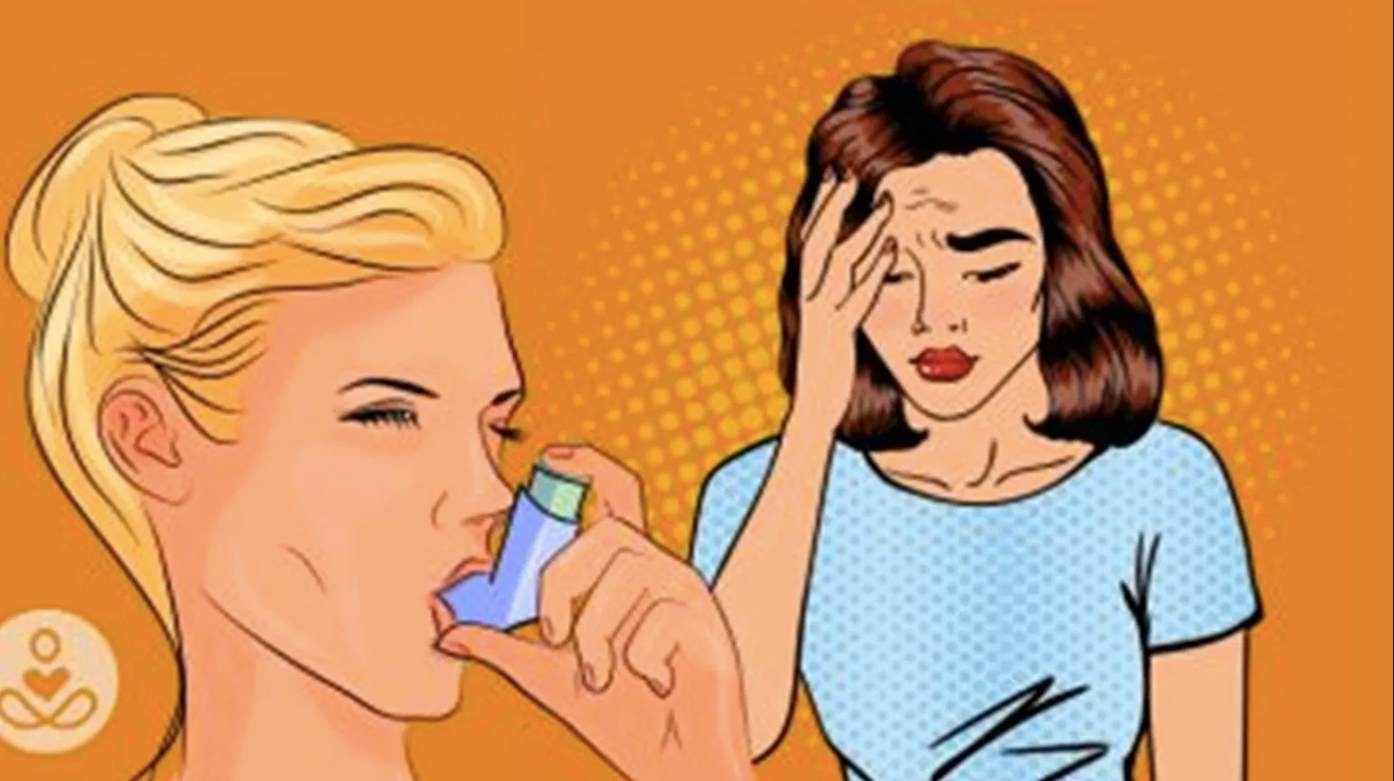
13. Asthma
Research suggests that people who suffer from asthma and take medication every day have a higher risk of a heart attack.
Factors that increase the risk of asthma are similar to those that increase your chance of having a heart attack. These include smoking and polluted air.
Solution: Not smoking is probably the best thing you can do to prevent asthma, heart attacks and cancer. Try not to expose yourself to smoke, airborne toxins and other pollutants.