Article content
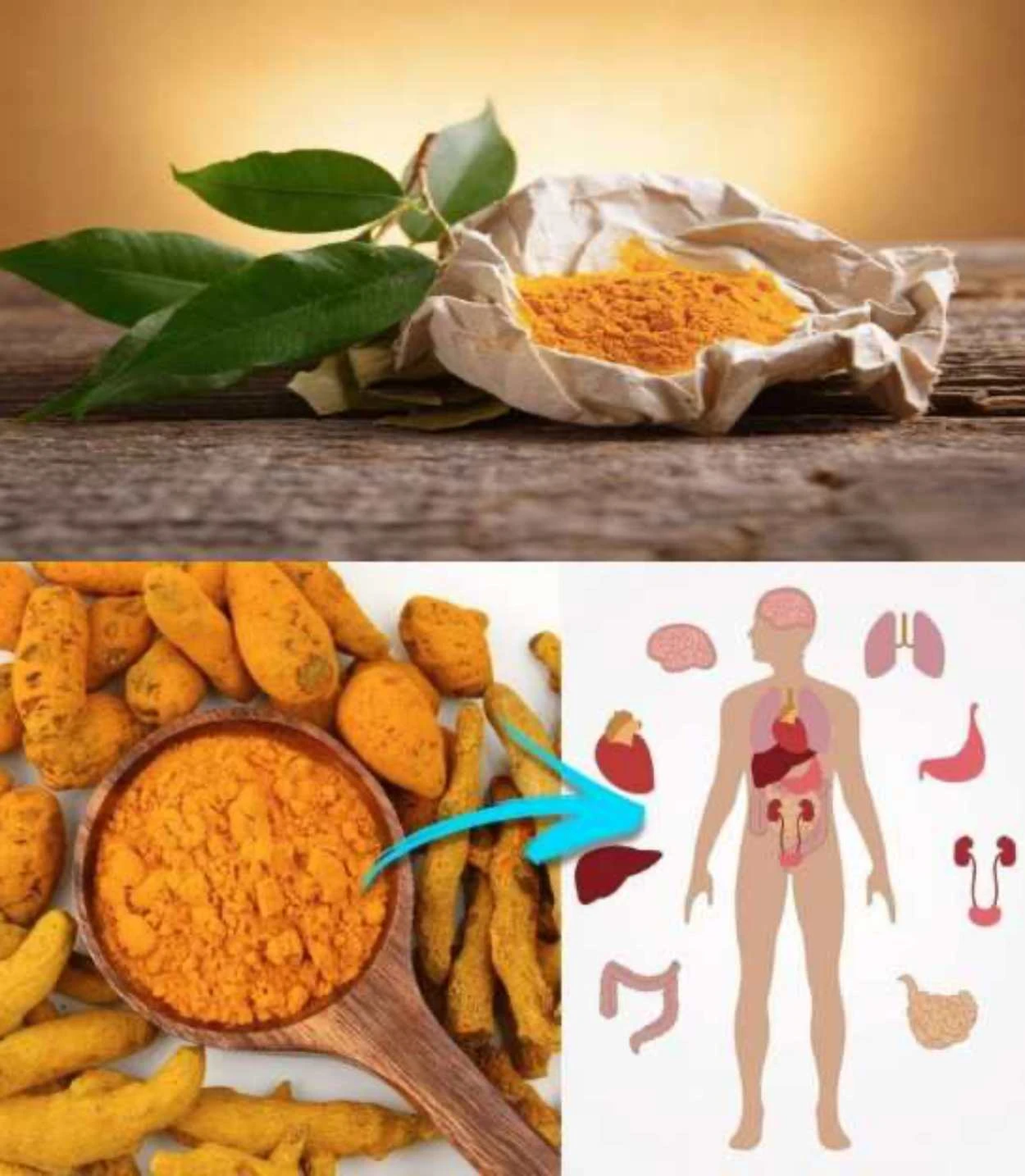
The ancient herb, the Indian spice turmeric, strikes hard again. A new study found that curcumin, an extract from turmeric, selectively and safely kills cancer cells in a way that chemotherapy or radiation cannot.
This revolutionary study, published in the journal Anticancer Research, reveals how the currently most intensively researched anti-cancer compound in the world has the ability to target cancer stem cells directly.
They are the core of cancer’s malignancy.
Another huge advantage of curcumin is that it has almost no toxicity to healthy cells, which are necessary for tissue regeneration.
How does curcumin destroy cancer stem cells ?
The cited study titled “Curcumin and cancer stem cells: Curcumin has an asymmetric effect on cancer and normal cells” describes a wide spectrum of molecular mechanisms by which curcumin attacks cancer.
Specifically it focuses on cancer stem cells (CSC). They make up only a small portion of a tumor, but are capable of producing all the other cancer cells in the tumor. This makes them extremely lethal.
The biggest problem with conventional treatment — chemotherapy and radiation — is that these cancer stem cells are resistant to those therapies.
Even surgical removal of a tumor can provoke these cells to higher activity.
This is also why, after an initial success of conventional treatment, recurrence and return of cancer occur.
Because this time the new tumor is formed predominantly from these resistant stem cells, its removal is much more difficult than that of the original tumor.
The study describes 8 molecular mechanisms by which curcumin targets and kills cancer stem cells:
- Reduces interleukin-6 (IL-6). It is a potent molecule among the cytokines that regulates immunity and inflammation. However, its excess leads to the progression of inflammation into cancer. Curcumin reduces its production, which subsequently reduces stimulation of CSC.
- Reduces interleukin-8 (IL-8). It is another type of cytokine. It is released after the death of a cancer cell, then stimulates CSC to reconstitute the tumor and also creates resistance to chemotherapy. Curcumin reduces its production both directly and indirectly.
- Reduces binding to CXCR1 and CXCR2. These are proteins that affect cells, including CSC. Curcumin not only blocks the production of the cytokines mentioned above, but also their binding to those two proteins.
- Regulates WNT signaling pathways. These signaling pathways regulate a wide range of processes during embryonic development. In cancer, however, they are deregulated. Curcumin has a corrective effect on them.
- Regulates Notch signaling pathways. Notch signaling pathways are active during embryogenesis, but they are also key in cell differentiation, cell division, and programmed cell death (apoptosis). They are also important for normal cells. Their malfunction is associated with multiple types of cancer.
- It has been shown that curcumin leads to tumor suppression along these pathways. Regulates Hedgehog signaling pathways. These signaling pathways, in addition to embryogenesis, also regulate the activity of normal cells. Their dysfunction leads to various types of cancer, including stimulation of CSC and recurrence of tumors after conventional treatment. Curcumin affects these signaling pathways through several different mechanisms.
- Regulates FAK / AKT / FOXo3A signaling pathways. Similar to the previous pathways, these also play a key role in the proper function of normal cells and in stimulating CSC in cancer recurrence after chemotherapy. Curcumin destroys CSC through reducing the activity of these signaling pathways.
Forms of curcumin consumption
You can obtain curcumin either by consuming the spice turmeric or as a concentrated extract in the form of a dietary supplement.
Conclusion
As you can see from the eight examples given, curcumin fairly comprehensively affects the simultaneous regulation of signaling pathways.
Chemotherapy and radiation are not able to achieve such a delicate and “intelligent” effect, because they primarily target rapidly dividing cells by damaging DNA during the sensitive phase of their division.
However, they do so regardless of whether the cells are benign, healthy, or malignant.
Curcumin, on the other hand, with its cytotoxicity targets only the most dangerous — cancer stem cells. It leaves healthy cells, including healthy stem cells, unharmed.