Article content
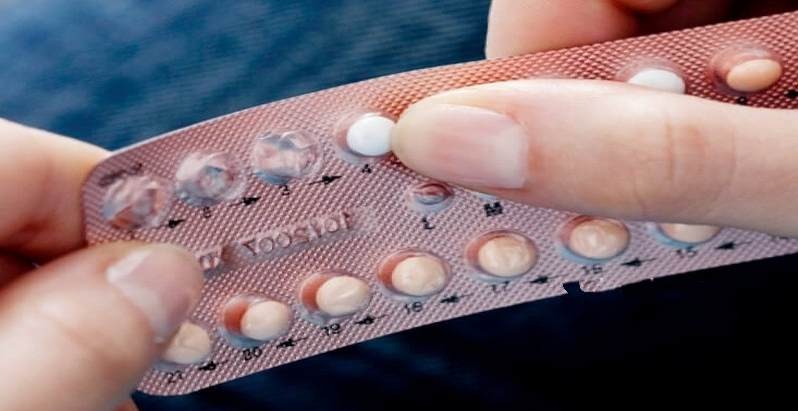
The most common practice for preventing pregnancy in industrialized countries today is synthetic hormonal oral contraception (that is, contraceptive pills).
Despite evidence suggesting the existence of many possible dangers of contraceptive pills, millions of women choose to take these hormonal drugs every year.
In fact, 67% of all women reporting “using contraception” currently use non-permanent contraceptive methods, mainly hormonal ones – which include pills, implants, patch, injection and vaginal ring – or intrauterine devices and condoms.
About 25% of those women rely on daily use of contraceptive pills, although most are aware that the “pill” affects their whole body.
Although contraceptive pills are handy and indeed effective at preventing unwanted pregnancy – studies claim that with correct use they are more than 99% effective and with recommended daily use fewer than one woman in 100 becomes pregnant each year – many feel that regarding their mental and physical health, the risks of contraception outweigh its benefits.
It has been found that dangers of contraceptive pills can include side effects such as cystic acne, anxiety or moodiness, breast tenderness, weight gain or certain problems with fertility after stopping the pills. Contraceptive pills can even cause depression.
If you are currently using some contraception (pills, injection, patch, etc.), I strongly encourage you to consider natural contraceptive alternatives instead.
There are many other safer ways to prevent pregnancy, such as using condoms or avoiding sex during certain days of the month, which do not cause the side effects associated with taking contraceptive pills.
What is a contraceptive pill?
The Department of Health defines contraceptive pills, also known as oral contraception or simply the “pill”, as a type of medicine taken daily by women to prevent unwanted pregnancy.
While most women choose to use contraceptive pills to avoid accidental pregnancy, a small percentage use them for other reasons, such as regulating or temporarily stopping their menstrual cycle or relieving symptoms related to premenstrual syndrome and hormonal imbalance (like acne, heavy menstrual bleeding or painful cramps).
In 2012 in the USA alone about 11 million women reported using contraceptive pills and worldwide this number exceeds 100 million women!
The total number of women using any kind of “synthetic hormonal contraception” is even higher, since many statistics do not include women using the morning-after pill – a type of strong hormonal contraception that is available over the counter in many countries.
Surveys show that pills are most likely used by white women, women under twenty and in their twenties, women who have not yet been married and who live with partners as their companions, childless women and women with university education.
Types of contraceptive pills (oral contraception)
There are dozens of contraceptive pills of different brands, but most fall into one of two categories: combined pills or progestin-only pills.
Combined contraceptive pills:
- As the name implies, combined contraceptive pills contain more than one kind of female hormone. They are made with chemical hormones that mimic the effects of estrogen and progestin, which prevent pregnancy by stopping ovulation. Ovulation occurs each month when the ovaries release an egg, which can then be fertilized by sperm leading to pregnancy.
- In addition to preventing pregnancy, combined pills cause other changes in the female reproductive system that prevent egg fertilization, such as thinning of the uterine lining and thickening of cervical mucus (the mucus of the cervix).
- Combined pills are taken in a monthly cycle, typically about 21 – 24 “active days” of pill use, followed by 4 – 7 days without pills. Menstrual bleeding usually occurs on the days when the pills are not taken. A woman cannot become pregnant on the days she does not take the pill if it has been taken correctly.
- “Standard packs” of contraceptive pills cause monthly bleeding, while “extended packs” can result in a woman missing her period for most months. Extended packs can contain up to 84 active pills, meaning a woman bleeds only about four times a year (or sometimes not at all).
- Combinations of contraceptive pills containing less than 50 micrograms of ethinylestradiol (a type of estrogen) are considered “low-dose pills” and are usually recommended for women sensitive to brands containing higher doses.
Progestin-only contraceptive pills (sometimes also called “mini-pills”):
- These pills contain only progestin (no estrogen). They are usually recommended for women who cannot take combined pills due to side effects or interactions.
- Mini-pills typically do not stop ovulation, but instead cause thickening of cervical mucus and thinning of the uterine lining.
- There are far fewer brands of progestin-only pills available and they tend to cause heavier bleeding.
Side effects of contraception
Contraceptive pills, patches and injections contribute to steadily rising estrogen levels in a woman’s body, which is neither natural nor safe.
A woman’s natural menstrual cycle consists of rising and falling levels of estrogen and progesterone over the month.
Contraceptive pills work by keeping estrogen at an unnaturally high level throughout the month – so high that they even trick the body into thinking it is already pregnant!
Since the body perceives the high estrogen levels as a sign of pregnancy, it stops ovulating, and therefore when taking the pill further pregnancy cannot occur.
According to the Food and Drug Administration (FDA), effects of constantly rising estrogen levels in a woman’s body while taking contraceptive pills can include:
- Potentially increased risk of breast cancer
- Potentially increased risk of blood clots, heart attack and stroke. The risk of blood clots while taking the pill is highest in women who are significantly overweight
- Headaches or migraines
- Gallbladder or liver problems, including benign tumors
- Increased blood pressure
- Weight gain
- Mood changes, with some women experiencing symptoms of depression or anxiety
- Nausea, cramps, irregular bleeding or “spotting” between periods
- Breast tenderness
- The pill also does not protect against sexually transmitted infections, including HIV. So if you do not use another form of protection/contraception, you can contract any kind of sexually transmitted disease that your partner may have.
Contraceptive pills contain the exact same types of synthetic hormones as hormone replacement drugs commonly used in women during or after menopause.
Scientists have now collected data on serious problems associated with the effects of synthetic hormones and some suggest that women should not take them at all.
The same can be said about contraceptive pills: while some doctors and health authorities state that they are “safe and effective,” others strongly recommend avoiding them whenever possible.
And what about women who take contraceptive pills primarily to relieve symptoms of premenstrual syndrome, such as painful cramps or irregular periods?
You might be surprised that for many women the pill seems to hardly solve these problems. In some cases taking contraceptive pills actually exacerbates the existing hormonal problem and causes worsening of symptoms – although, to be fair, every woman reacts differently (regarding different brands or doses of the same type of pill).
Some women experience intolerable estrogen-induced side effects from taking the pill, which worsen when additional synthetic hormones are added to the situation.
As explained on her website by Dr. Carolyn Dean, MD, ND, cramps or painful and irregular periods are often the result of progesterone deficiency and estrogen excess. So contraceptive pills containing estrogen – currently the most commonly prescribed pills on the market – often worsen the problem.
One instructive quote from Dr. Dean’s site:
“The cycle of sex hormones regulates 150 bodily systems that are all suppressed by hormonal contraception and that are all interrelated with all other body systems (including the endocrine, nervous and immune systems).
Hormonal contraception therefore affects: energy levels, memory and concentration, motor coordination, adrenaline levels and so on … “
5 dangers of contraceptive pills
1. They can contribute to nutrient deficiencies
Most people do not know that for the body to metabolize the pill it needs extra doses of B-complex vitamins, vitamin C, magnesium and zinc.
This means that if a woman has taken the pill for years (many do, starting already in their twenties, or even earlier), she creates a situation in which she is likely to have nutritional deficiencies.
Deficiencies, such as iron or magnesium deficiency, are among the main contributors to many diseases (other factors include diet, genetics, stress and toxicity).
When you take the pill, consuming nutrient-rich, healing foods is very important to maintain gut health and prevent side-effect deficiencies such as fatigue, poor digestion, muscle pain and sleeping problems.
2. They can cause or worsen candidiasis
While yeasts (Candida albicans) usually colonize the digestive tract, common lifestyle choices such as taking contraceptive pills, antibiotics, a diet high in refined grains and sugar and high stress levels often lead to yeast overgrowth that infiltrates other parts of the body, resulting in symptoms of candidiasis.
According to the Healthy Women Organization website, yeast overgrowth is closely linked to estrogen dominance in a woman’s body, which is strongly influenced by taking the pill.
Women using hormonal contraception (not only the pill, but also patch or ring) can have even more yeast infections than those who do not use it. Toxins from overgrown yeasts can lead to a range of other problems manifesting far beyond a common vaginal infection.
Excessive yeast growth has been associated with symptoms such as migraines, infertility, fibromyalgia, endometriosis, psoriasis, premenstrual syndrome, depression and digestive disorders.
Evidence clearly shows that when you target yeast overgrowth, symptoms improve or disappear.
If you still choose to use contraceptive pills, try oral contraception with pills containing only progestin, because these are associated with a lower incidence of yeast infections.
3. They often cause moodiness (symptoms of anxiety and depression)
Do contraceptive pills cause depression, or only worsen mood and existing symptoms?
There is evidence that when estrogen and progesterone levels in the body are shifted from their natural balance as a result of taking the pill, the brain’s response system subsequently changes, leading many to experience adverse psychological effects.
Some women report decreased libido, lack of appetite, helplessness, indifference and a generally sad mood while on contraception – but their doctors often tell them: “It’s all in your head”.
A study conducted in Denmark involving over a million women found a striking increase in the rate of depression among women using contraception compared to women who did not use it.
Higher rates of depression diagnoses and antidepressant prescriptions were particularly associated with progestin-only pills, the transdermal patch and the vaginal ring.
However, to be fair, other studies, such as one published in 2012 in the journal Archives of Gynecology and Obstetrics, did not find the same relationship. It therefore seems that there are individual differences regarding psychological effects.
Some evidence now suggests that many side effects of hormonal contraception may actually be the result of a psychological stress reaction to using contraception (the effort to prevent pregnancy while still having sex).
4. They may increase the risk of cancer
The National Cancer Institute tells us that the risk of developing breast cancer in the general population is approximately one in eight.
But studies conducted by physicians like Chris Kahlenborn, MD, of Altoona Hospital in Altoona, Pennsylvania suggest that “women who used oral contraception before they had their first child have a 44% higher risk of developing breast cancer”.
If that is true, then your risk of developing breast cancer would increase to one in five, which is an incredibly high risk.
According to the Breast Cancer organization website:
“There are concerns that because contraceptive pills use hormones to prevent pregnancy, they may overstimulate breast cells, which could increase the risk of breast cancer.
The concern is greater if you have a high risk of breast cancer due to a strong family history of the disease, previous breast biopsies showing abnormal cells, or if you or someone in your family has an abnormal breast cancer gene.”
Much ongoing discussion takes place about the association between depression and breast cancer. One study published in Cancer Research, for example, found an increased risk of breast cancer in women taking high-dose estrogen contraceptive pills.
When reviewing 54 studies from 1996 it was found that women had a slightly increased risk of breast cancer when they used contraceptive pills containing both estrogen and progestin, and for up to 10 years after they stopped taking the pills.
And results from the 2010 Nurses’ Health Study recorded a slightly increased risk particularly in women using triphasic pills that vary hormone doses in three stages of the monthly cycle.
Why doesn’t your doctor tell you this?
“They are undoubtedly heavily vested – pharmaceutical companies with lots of money, government agencies that put a lot of money into contraception. When such studies appear, they don’t look good,” said Dr. Kahlenborn.
5. Increased risk of blood clots (pulmonary problems, embolism and thrombosis)
The link between taking estrogen and the formation of blood clots in veins (called venous thrombosis) was identified more than 20 years ago.
There is now much literature describing how with increasing doses of estrogen the risk of embolism rises. When a clot forms in a deep vein, usually in the leg, it is called deep vein thrombosis and when that clot breaks free and reaches the lungs it is called a pulmonary embolism, which is a serious condition (in 10 to 15% of cases it causes sudden death).
It appears that estrogen increases blood clotting factors, creating clots more likely to form.
It has been found that combinations of hormonal contraceptive pills containing the progestin called desogestrel increase the risk of blood clots more than contraceptive pills that contain other types of progestin.
One of the most popular available types are contraceptive pills containing drospirenone.
Shortness of breath, chest pain (especially when taking deep breaths), coughing up blood, persistent leg pain or redness, swelling or warmth in the lower part of your legs are all signs of clots.
The risk is highest in women who already have a family history of clots, women who smoke and those who are obese or lead a sedentary lifestyle – so if any of these apply to you, discuss options thoroughly with your doctor.
What are natural alternatives to contraception?
For centuries couples have protected themselves from unwanted pregnancy naturally, without using drugs. Many safe and effective contraceptives are time-tested strategies that are now being studied and confirmed by science.
Some contraceptive options that are natural and do not require taking medications include:
1. Male condoms : With approximately 98% effectiveness when used correctly, they are nearly as effective as the pill.
2. Female condoms : Although not as well known to most people, female condoms have 95% effectiveness and a lower chance of breaking than male condoms.
A female condom consists of a small pouch that is inserted into the vagina before intercourse, preventing sperm from entering the woman’s body where it could fertilize an egg.
3. Diaphragms (pessaries) : These must be fitted by a doctor and their effectiveness in preventing pregnancy is 92 to 98%. They are a thin, soft rubber device attached to rings that are inserted into the upper part of the vagina to cover the cervix and create a barrier to sperm.
4. Cervical cap: : This is a rubber cap that fits snugly over the cervix. A doctor must apply it and it can remain in place for 48 hours. Its effectiveness is about 91%.
5. Natural family planning / fertility awareness : This is a completely natural method that allows women to track their natural cycles, identify fertile periods, address premenstrual symptoms and assess the effects of stress.
6. Calendar method: : Abstaining from sex during the week in which the woman ovulates helps prevent pregnancy. This technique works best when a woman’s menstrual cycle is very regular and precisely timed.
The calendar method does not work very well for couples who rely on it alone (about a 75% success rate), but it can be effective when combined with the temperature and mucus-tracking methods described below.
7. Temperature tracking method : This is a way to accurately determine the day of ovulation so you can avoid intercourse several days before and after it.
It requires daily measurement of basal body temperature (your morning temperature right after waking) with an accurate basal thermometer and recording the slight temperature rise that occurs after ovulation.
This method will not work for you in the first month of use, but after several months of tracking your cycle you will be able to determine which days are most fertile and avoid sex on those days.
Be aware, however, that this method can be made unreliable by factors such as changes in body temperature, illness or lack of sleep, but when combined with the mucus method it can be an accurate way to assess fertility.
Combining these two methods can achieve up to 98% success.
8. Mucus (Billings) method: : This requires monitoring changes in the amount and texture of vaginal discharge, which reflect rising estrogen levels in the body.
In the first days after your period there is often no discharge, but when estrogen begins to rise a cloudy, sticky mucus appears. When the discharge increases and becomes clear and stretchy, ovulation is near. A return to sticky, cloudy mucus or no discharge means ovulation has ended.
Warnings regarding contraceptive pills and alternatives
The side effects and potential dangers of contraceptive pills described above apply to some women more than others.
Factors such as the history of your menstrual cycle, age, overall medical history and medication use may determine that you should definitely avoid all types of contraceptive pills (even low-dose ones).
Your doctor is best placed to help you decide whether contraception is a risky or poor choice for you.
When using oral contraception, due to interactions and side effects, women should be especially cautious if they:
- Are already pregnant or breastfeeding. If you are not sure whether you are pregnant, or have unexplained bleeding and irregular periods, be sure to get checked before using any hormonal medicines.
- Are older than 35 years.
- Smoke cigarettes or use recreational drugs.
- Have been treated for high blood pressure, diabetes, stroke, heart disease, deep vein thrombosis or pulmonary embolism.
- Have been treated for or are being treated for breast cancer.
- Have diabetes-related complications affecting circulation and nerves (such as diabetic neuropathy, nephropathy or retinopathy).
- Are recovering from major surgery.
- Use St. John’s wort, anticonvulsants or anti-tuberculosis agents that can interact with contraceptive pills
Final thoughts on the dangers of taking contraceptive pills
More than 100 million women worldwide use contraceptive pills. However, they are associated with dangers arising from unnaturally altering a woman’s estrogen levels, increasing them too much, which often causes symptoms of estrogen dominance.
Risks associated with contraceptive pills may include moodiness or depression, breast tenderness, nutritional deficiencies and a possible increased risk of certain types of cancer.
There are safer, more natural ways to prevent pregnancy (or to address the causes of irregular periods and cramps), such as using condoms or diaphragms, the temperature-tracking method or the mucus (Billings) method.