Article content
Fats in the diet are an important component of a healthy diet, but the secret lies in the details. A huge difference can be caused by the type of fats you choose.
One of the simple ways to improve your health and reduce the risk of chronic disease is to replace harmful oils with healthy fats.
The sad, almost ironic thing is that the fats that contribute most to disease are those we are told are the healthiest — and vice versa.
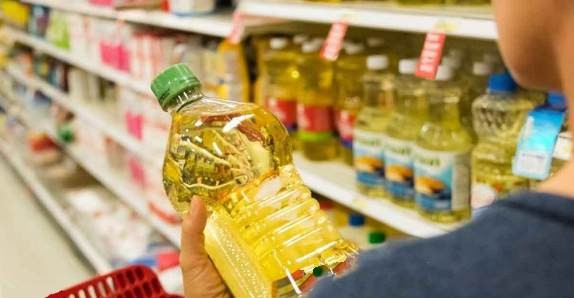
Among the worst types of fats you can consume are processed vegetable oils such as corn, soybean, sunflower and canola oils. I.e., the oils found in most processed foods and restaurant meals.
According to the USDA report ” US Trends in Food Availability ” from 2017, consumption of saturated animal fats like butter, lard and beef tallow fell by 27% between 1970 and 2014, while consumption of vegetable oils rose by 87%.
Specifically, intake of salad and cooking oils rose a remarkable 248%.
From my perspective, the most dangerous processed vegetable oils are those rich in omega-6 polyunsaturated fatty acids (PUFAs), which take an even greater toll on human health than high-fructose corn syrup.
Vegetable oils are linked not only to heart disease, gastrointestinal disorders (such as irritable bowel syndrome) and inflammatory conditions (such as arthritis), but also to cancer, particularly neuroblastoma, breast, prostate, colorectal and lung cancers.
Vegetable oils — the hidden cause of cancer
An article in the magazine Medium on November 8, 2019 discusses the scientific background of vegetable oils and what makes them carcinogenic.
specifically:
“There are two classes of PUFA: omega-6 and omega-3. Although their functions are different and not interchangeable, the two classes constantly engage in metabolic balancing, pushing and pulling in a struggle for absorption in the body.
There is nothing inherently wrong with omega-6 PUFAs themselves: we need them … if omega-6 fatty acids are important for health, it does not make sense that they could also cause cancer …
That is why scientists believe that omega-6 fatty acids themselves are not to blame. What is wrong and damages our bodies is the imbalance between these two groups of PUFAs.
We evolved and genetically adapted to a diet that provided roughly equal amounts of omega-3 and omega-6 fatty acids …
With the industrialization of our diet and the huge amounts of vegetable cooking oils that go into it, however, the ratio of omega-6 to omega-3 fatty acids has shifted enormously and we now consume up to 25 times more omega-6 than omega-3 fatty acids …
That cannot be without consequences and it really does have them: experimental data support the theory that tumor formation is influenced by this skewed balance between the two types of PUFAs.”
How skewed PUFA ratios lead to cancer
The cancer connection is also examined in a 2016 study entitled ” The Role of a Diet Rich in Omega-3 and Omega-6 Fatty Acids in Cancer Development “, which points out that “omega-6 and omega-3 PUFAs often compete for metabolism and act antagonistically.”
Your body metabolizes omega-3 and omega-6 PUFAs into eicosanoids, which are hormone-like substances, and generally omega-3 eicosanoids are anti-inflammatory while omega-6 eicosanoids have pro-inflammatory effects.
Part of the benefit of omega-3 fatty acids is that they block the pro-inflammatory effects of omega-6 eicosanoids.
As noted in the above-cited 2016 study, ” several studies have demonstrated that omega-6 PUFAs cause progression in certain types of cancer “, while ” omega-3 PUFAs have a therapeutic role in certain types of cancer “.
Table 1 in that study lists eight known mechanisms by which omega-3 unsaturated fatty acids reduce your cancer risk.
For example, it has been shown that omega-3 unsaturated fatty acids suppress insulin-like growth factor (IGF) and inhibit growth factor receptors involved in cancer.
Omega-3 fatty acids also limit angiogenesis and cell adhesion, improve cell structure and function, suppress inflammation (which is a hallmark of cancer) and induce apoptosis (cell death) of cancer cells.
Table No. 2 in the same study lists the tumor-promoting mechanisms of omega-6 fatty acids.
These include, for example:
- the creation of reactive species that damage DNA
- epoxidation of 17-β-estradiol, which then creates a carcinogenic component
- increased genotoxic effects of other components
As explained in Dr. Mercola’s book “Superfuel”, which he wrote with James DiNicolantonio, Pharm.D., omega-6 fatty acids also suppress cardiolipin, an important component of the inner membrane of your mitochondria, which needs to be saturated with DHA for proper function.
Cardiolipin can be likened to a cellular alarm system that signals caspase-3 to trigger apoptosis (cell death) when something is wrong with the cell.
If cardiolipin is not saturated with DHA, it cannot signal caspase-3 and thus apoptosis does not occur. As a result, dysfunctional cells can continue to grow and may turn cancerous.
Vegetable oils contribute to practically every chronic disease
Cancer is far from the only health risk associated with vegetable oils. As already mentioned, they contribute to virtually every chronic disease by skewing the balance of omega-3 and omega-6 fatty acids in your body. But they affect your disease risk in other ways too.
It is important to know that vegetable oils break down when heated, creating extremely harmful products, such as cyclic aldehydes.
These cause oxidized low-density lipoprotein (LDL), which is associated with heart disease. They also affect tau protein and create neurofibrillary tangles, thereby contributing to neurodegenerative diseases.
As Dr. Cate Shanahan explains in her book ” Deep Nutrition: Why Your Genes Need Traditional Food “, to understand how dietary fats affect your health you need to understand how fats oxidize.
Omega-6 PUFAs found in vegetable oils have bonds that very quickly degrade and react with oxygen, creating a cascade of free radicals that turn normal fatty acids in your body into dangerous high-energy molecules that zip around causing damage similar to radiation.
In addition, many vegetable oils produced today — especially corn and soybean — are genetically modified and a significant source of exposure to the herbicide glyphosate, which has also been linked to gut damage and other health problems.
Shanahan’s book also describes the danger of 4-hydroxynonenal (4HNE), which forms during processing of most vegetable oils.
4HNE is highly toxic, especially to your gut bacteria, and its consumption is linked to an obesogenic imbalance of the gut flora. It causes cytotoxicity and DNA damage and triggers cascades of free radicals that damage mitochondrial membranes.
As Shanahan said in our 2017 interview published in the article “Dietary Fats — the Good, the Bad and the Ugly”:
“You cannot devise a better vehicle for a toxin that will slowly, maybe over 10, 20 years, destroy your health, depending on the genetic capacity of your antioxidant system.”
Shanahan also notes that the answer is not even organic vegetable oil, because 4HNE occurs even in oil from organically grown plants.
It is a natural byproduct of refining and processing oil, regardless of how healthy the oil was originally.
Omega-6 fatty acids found in vegetable oils also damage the endothelium (the cells that line your blood vessels), allowing LDL and very low-density lipoprotein (VLDL) particles to penetrate into the subendothelial space.
In other words, these oils integrate into your cell and mitochondrial membranes and when these membranes are disrupted, a host of health problems can arise.
They also make cell membranes less fluid, which affects the transporters of hormones in the cell membrane, slows your metabolic rate and prevents the removal of aging cells — old, damaged or crippled cells that have lost the ability to reproduce and produce inflammatory cytokines, greatly accelerating disease and aging.
Vegetable oils also deplete your liver of glutathione (which forms antioxidant enzymes), thereby reducing your antioxidant defenses and suppressing delta-6 desaturase (delta-6), an enzyme in your liver involved in converting short-chain omega-3s into long-chain omega-3 fatty acids.
To protect your health, focus on the ratio of omega-6 to omega-3 fatty acids
Marine-derived omega-3 fatty acids are among the most important fats in the human diet because docosahexaenoic acid (DHA) and eicosapentaenoic acid (EPA) are actually key building blocks of cells, including your brain cells, and not just simple fuel.
If you do not have enough DHA and EPA, your body’s ability to repair and maintain healthy cellular structures is seriously impaired.
The key that many overlook is the importance of achieving the correct ratio of omega-3 to omega-6 fatty acids.
Simply adding more omega-3s may not be enough if you do not also take measures to significantly reduce your intake of omega-6 fatty acids. And the main sources are vegetable oils.
As stated in the 2002 study “The Importance of the Ratio of Omega-6 to Omega-3 Essential Fatty Acids”:
“Excessive amounts of omega-6 polyunsaturated fatty acids (PUFAs) and a very high omega-6/omega-3 ratio, found in the modern Western diet, contribute to the pathogenesis of many diseases such as cardiovascular disease, cancer and inflammatory and autoimmune diseases, while reduced levels of omega-3 PUFAs (a low omega-6/omega-3 ratio) have suppressive effects.
In secondary prevention of cardiovascular disease a 4:1 ratio was associated with a 70 percent reduction in total mortality. A ratio of 2.5:1 reduced proliferation of rectal cells in patients with colorectal cancer, while a 4:1 ratio with the same amount of omega-3 PUFAs had no effect.
In women with breast cancer a lower omega-6/omega-3 ratio was associated with reduced risk. A 2–3:1 ratio suppressed inflammation in patients with rheumatoid arthritis and a 5:1 ratio had beneficial effects in patients with asthma, while a 10:1 ratio had opposite consequences.
These studies suggest that the optimal ratio may vary depending on the disease in question. This is consistent with the fact that chronic diseases are multigenic and multifactorial.
Therefore it is quite possible that the therapeutic dose of omega-3 fatty acids will depend on the severity of the disease, arising from genetic predisposition.
When reducing the risk of many chronic diseases with high prevalence in Western societies, a lower omega-6/omega-3 fatty acid ratio is more desirable …”
Since these oils are in most processed foods and restaurant meals, removing them from your diet means giving up processed food and restaurant meals and cooking from scratch using healthier cooking fats.
You do need omega-6 fatty acids, but they should be in unprocessed form, not industrially produced vegetable oils. Good sources are whole, raw seeds and tree nuts.
The healthiest fats for cooking
Although the details are complex and can be complicated, the simplest way to understand what makes a healthy diet is to look back about a hundred years and think about what the diet was like then and how food was prepared.
What you want is real food — unprocessed foods that are as close to their natural state as possible. This is especially important when it comes to fats.
We recommend: Natural Treatment for High Blood Pressure
Eliminating vegetable fats and all foods prepared with them can also greatly help reduce inflammation and damage to mitochondria and cells.
It will protect you from a range of common killers, including cancer. And when it comes to what to replace vegetable oils with, some of your healthiest choices include:
1. Pork lard from organically raised animals – Analysis of more than 1,000 raw foods from 2015 ranked raw rendered pork fat, also known as pork lard , 8th out of the 100 healthiest foods.
Lard contains various nutrients such as vitamin D, omega-3 unsaturated fatty acids, monounsaturated fats (the same found in avocado and olive oil), saturated fats and choline.
2. Coconut oil is another great cooking oil full of health benefits.
3. Olive oil — Real olive oil contains healthy fatty acids that can help reduce your risk of heart disease.
Although the standard advice has been to avoid using olive oil for cooking and use it only cold, recent research comparing 10 popular cooking oils contradicts that and showed that extra virgin olive oil actually performed best both in oxidative stability and in the absence of harmful compounds produced when heated.
There is, however, a warning: There are a large number of fake olive oils, so it is important to check your sources.
Many are adulterated with cheap vegetable oils or oils unsuitable for human consumption, which in many ways are harmful to human health.
More information can be found in the article ” Fake Olive Oil Is Everywhere: How to Tell Real from Fake “, where we cover this topic in depth.
4. Organic butter (preferably made from the milk of organically pasture-raised cows) instead of spreads made from margarine and vegetable oil.
Butter is a healthy natural food that has received undeserved criticism.
5. Even better is organic ghee, since you remove the milk solids that many have problems with — ghee is pure fat without carbohydrates, which I personally use as well.
The best way to prepare it is to place it in a glass container in a dehydrator and, to preserve quality, heat it to a maximum of 37.7 ⁰C.
You can remove the milk solids with a glass kitchen pipette. The resulting ghee does not even need to be refrigerated, as it will keep for weeks at room temperature.
To increase your intake of healthy fats, definitely eat raw fats such as avocado, raw nuts, raw dairy products and olive oil.
Also increase your intake of animal-sourced omega-3 fatty acids by eating more sardines, anchovies, mackerel, herring or wild Alaskan salmon, or take a krill oil supplement.