
Article content
So far relatively little is known about the correct dosing of drugs for older patients and about how different drugs interact with one another.
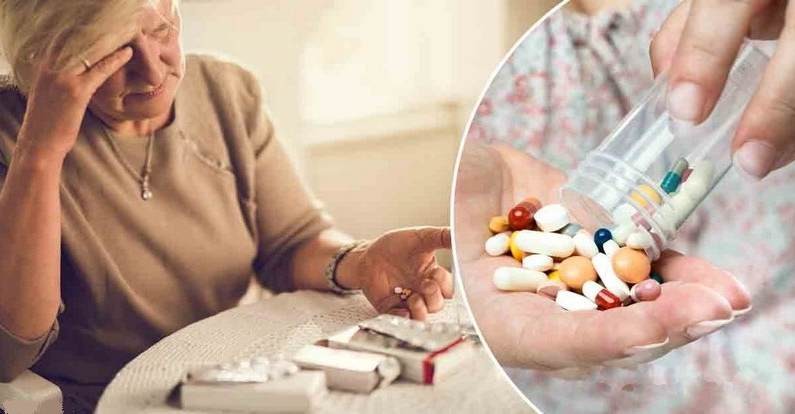
The magazine The Guardian reports that older people are often literally “poisoned” by an excessive amount of medications or by reactions to combinations of drugs – that is, drug interactions.
Drugs are tested only on young, not elderly people
Dosages are tested on a younger population that does not have multiple coexisting illnesses.
However, according to the report, tests are not done on people older than 60, even though as a person ages, liver and kidney function decline. Older citizens therefore tend to have more adverse reactions to medications than younger people.
More than half of adults in Western countries regularly take prescription medicines and these numbers are continually increasing.
About a quarter of the population aged 65 to 69 uses at least five prescription drugs daily for the treatment of chronic health conditions, and in the 70 to 79 age range that increases to nearly half.
Although the risk of prescribing medications that people do not need exists in every age group, it is especially the elderly who are exposed to this risk.
Moreover, they are often prescribed narcotics for pain, which significantly increase their risk of falling, potentially leading to further disability or death.
One group of individuals at high risk of taking prescription drugs for conditions they do not actually have are residents of nursing homes suffering from dementia .
Problems with antidepressants
The problem is further worsened by the fact that older adults have been prescribed ever greater amounts of antidepressants over the past two decades, and this despite no evidence of any decline in the number of people with depression.
And although the number of older people with depression living in care homes has not changed, antidepressant use rose from 7.4% to 29.2%!
Most of these prescribed antidepressants were not prescribed following a diagnosis of depression.
Antidepressants are often ineffective for treating depression and pose risks for older people, including increased risk of falls, osteoporosis and fractures. These kinds of injuries are often treated with painkillers, which can lead to an entirely new problem.
Another problem – opioids
An estimated 202,600 Americans died from opioid overdoses in the period 2002 to 2015 and 74% of farmers report opioid addiction, or know someone who is addicted to them.
Opioids are commonly prescribed for pain.
The massive increase in opioid sales and the consequent levels of addiction occurred after a premeditated marketing plan to misinform doctors about the product’s potential to cause addiction.
The same company that made addictive painkillers also produced a drug to treat addiction, thereby increasing its profits, while thousands of people died.
According to the National Institute on Drug Abuse, more than 70,200 Americans died from drug overdoses in 2017.
Conclusion
If you or someone close to you is elderly, don’t hesitate to talk to your doctor about lifestyle changes that could reduce your need for medications and improve your health.
Explore alternative pain treatments that do not require drugs and stick to a diet consisting of organically grown, non-GMO, unprocessed foods.


