Article content
Many of us have already found ourselves in a situation where we went out for just a small shop and ended up returning with bags full of items we hadn’t planned to buy at all. Often behind this impulsive purchase is clever marketing and various seller tricks that lure us into spending more money than we originally intended. Read about the strategies behind impulsive purchases and how you can resist them.
Tricks in supermarkets
Today we are surrounded by various incentives that motivate us to shop and spend money. Whether it’s colorful packaging, discount promotions or the tones of the music playing, stores have our attention and our wallet in their hands. In this world full of marketing tricks it’s important to recognize when and how not to be influenced and to keep control over your finances. Let’s look at some of the most effective strategies that tempt us into impulsive purchases and find out how we can face them with prudence and intelligence.
Awaken your appetite
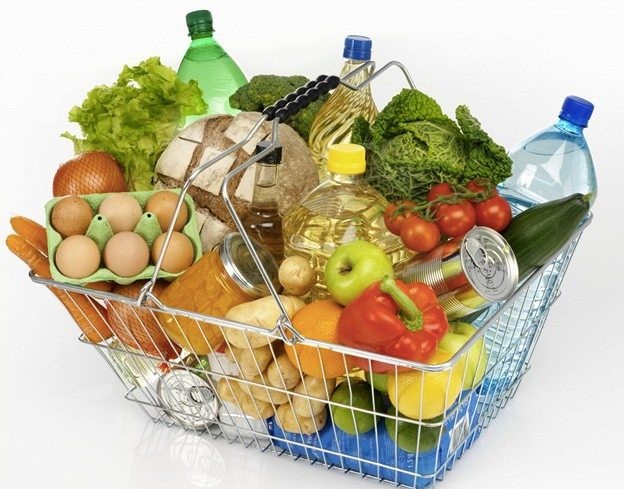
How many times have you told yourself, “Don’t go to the store hungry!”, because the hungrier you are, the more unhealthy food you’ll buy. But even if you’re not hungry, there are several ways to awaken it. For example, the smell of fresh bread: it entices the shopper to spend more. Properly set backlighting also works well: it makes food look festive and exciting.
One of the most effective ways to induce salivation and the urge to quickly buy something to snack on is a free tasting. First it smells, it tempts and you want to get it. Second, after you’ve had your free sample, you begin to feel obliged to thank the store. If you hadn’t received that sample, you wouldn’t even have thought about it. And now it’s in your basket. And of course, in your wallet.
Hypnosis through music
Fast melodies are played where it is important to increase sales and maximize attention. The American Marketing Association says that fast music provokes customers to make spontaneous purchases.
On the other hand, slow music also does its work. It plays specially selected tracks with a rhythm that is much slower than the average heart rate. The result is that people linger longer at the shelves, spend more time there and consequently also buy more. And what’s more, almost 30% more — which US retailers confirm.
Color design
People are “attracted” to stores whose walls and entrance are tuned to warm colors: red, orange, yellow. Inside it’s the opposite: cool shades in the interior — blue and green — provoke shoppers to spend more. In stores decorated in blue-green colors shoppers spend 15% more money than in stores with warm-colored walls and shelves.
Discount cards
Do you think discount cards are for saving money? On one hand that’s true. But not always. A discount card ties you to a particular supermarket. If you’re choosing between two stores, you’ll definitely go to the one where you have a discount card.
Your discount card tracks you
That means it provides the store with information about your shopping habits. What price range do you prefer? How often do you buy dog food? Do you like chocolate? If you’ve ever received offers like “Buy chocolate for 200 crowns and get a 15% discount”, you understand what it’s about. Above all it’s a profitable offer for the store that encouraged you to make most of your purchases there.
Bait
“Buy 10 pieces for just 300 crowns!” — the good old marketing trick. Many people respond to such an offer and end up buying more food than they needed.
Add-on items
You go to the store for one pack of your favorite children’s biscuits. And at the same shelf you find children’s chocolate and marshmallows. And you put all three of these things into your basket. Or, for example, shampoo and conditioner. You probably decided you’d buy the conditioner yourself. In reality your spontaneous purchase was expected.
Packaging that makes products spoil
Fresh bakery goods are often sold in a paper bag. Is it pretty? Definitely yes. But bread in such packaging goes stale quickly and you’ll have to go to the store again. That too is one of the marketing tricks. Therefore we recommend that after returning from the supermarket you repackage foods so that they stay fresh as long as possible.
What we value most
On the shelves at eye level are the products they want to sell, and below are cheap products that are not so profitable for the store. The “magic nine” effect is widespread, where something priced at 199 crowns seems to be a better deal than something priced at 200 crowns.
Eco-friendly bags
Eco-friendly bags — a great marketing trick! On the one hand they are branded and promotional: they display logos on them. On the other hand they inspire trust in the supermarket because the store cares about the environment.
Goods at the checkout
At the checkout cashiers place expensive and small items: chocolate, ice cream, hand sanitizers, condoms, etc. The idea is that you’re tired of making decisions, you take a break at the checkout and buy yourself (or whoever is even more tired than you, a child) some reward. And it works.