Article content
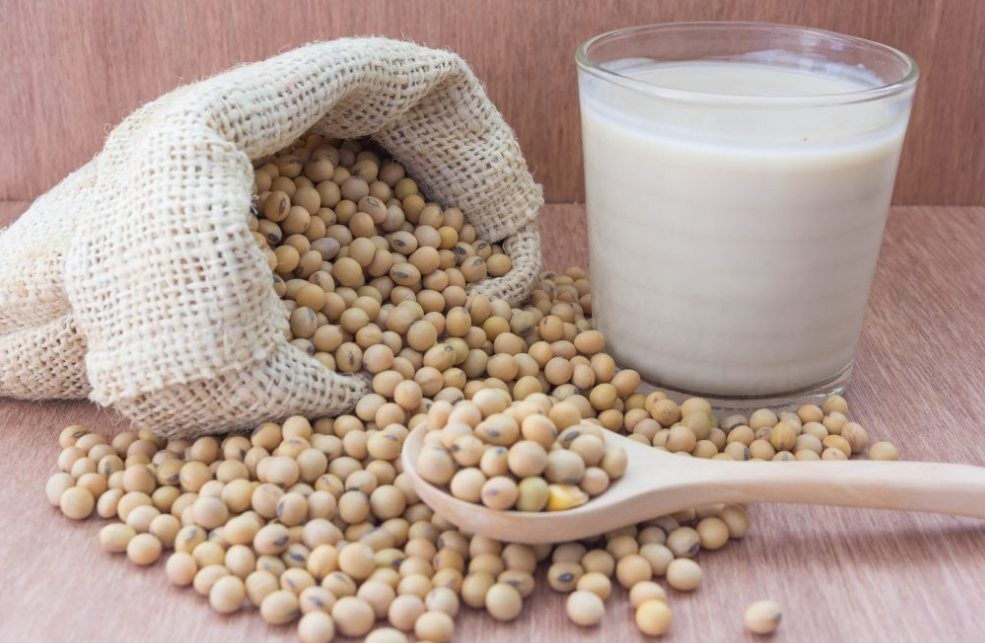
Many people start eating a lot of soy products when they try to reduce their intake of animal-derived foods, such as meat and cow’s milk.
We have been hearing quite a lot and often recently about the benefits of a plant-based diet. But when it comes to soy, studies show that great caution is necessary.
Why soy is a problem for the human body.
Aside from the fact that much of the soy grown in the USA is genetically modified, scientists recently warned that soy products contain “disturbing” levels of phytoestrogens.
The phytoestrogens found in soy are known as isoflavones and act like estrogen in the body. They are considered endocrine disruptors and can lead to fertility problems, and even cancer.
New data from tests prove their worrying levels in many soy products.
Researchers from the French consumer group UFC-Que Choisir sounded the alarm when they tested 55 different soy products, such as desserts, ready meals, sauces and beverages.
They found that a single serving of these products can contain five times the amount of isoflavones that France’s Agency for Food, Environmental and Occupational Health & Safety (ANSES) considers safe.
They found, for example, that a serving of couscous containing soy exceeded the recommended dose by 3.5 times, while a handful of Soya Party Nature soy from the brand Soya contained five times that amount.
A cup of soy drink from Cereal Bio, known as Sud-Quest Nature, had up to 150% of the maximum amount of isoflavones recommended for adults.
They even found phytoestrogens in some surprising places, such as beef meatballs or chicken nuggets.
The group is concerned that even when people stick to foods that have lower levels of isoflavones, it can happen that they ingest much more than their recommended amount, because they acquire them from so many different foods.
The group called on ANSES to reassess the risk for people who consume these products and also requests the introduction of measures to label products containing soy.
They recommend avoiding soy products especially for pregnant women and small children. Other consumers should not eat more than one serving of such foods per day.
Many more reasons to avoid soy.
There is, of course, also the fact that soy crops are heavily sprayed with herbicides such as glyphosate, which has long been linked to cancers like non-Hodgkin lymphoma, and the World Health Organization has classified it as a “possible carcinogen”.
Soybeans also naturally contain, besides phytoestrogens, other so-called anti-nutrients, such as phytates, soyatoxin and goitrogens.
Phytates can reduce the assimilation of important nutrients in your body, such as zinc, iron, magnesium and calcium, while goitrogens prevent your body from synthesizing thyroid hormones, which can trigger thyroid cancer and hypothyroidism.
They also contain trypsin inhibitors, which can affect how you digest proteins. This can cause problems such as diarrhea, bleeding and abdominal cramps and has been linked to pancreatic disorders.
It should be noted, however, that many of these anti-nutrients are destroyed by the process of traditional fermentation. This means that foods like miso, natto and tempeh are healthier soy choices. They must, however, be produced by true fermentation, which many of them are not today.
Unfortunately, most of the soy and soy products found in the Western world are unfermented. We can find it mainly in soy milk, tofu and baby foods.
Conclusion.
Soy is everywhere today because it is cheap and works very well for a wide range of purposes in food production. It can give food density and creaminess and improve its texture without adding calories or fat.
Unfortunately, people do not take the time to precisely find out what they are putting into their bodies and what adverse effect it may have on them. Soy is one example of trendy “healthy” food that simply does not live up to its promises.