
Article content
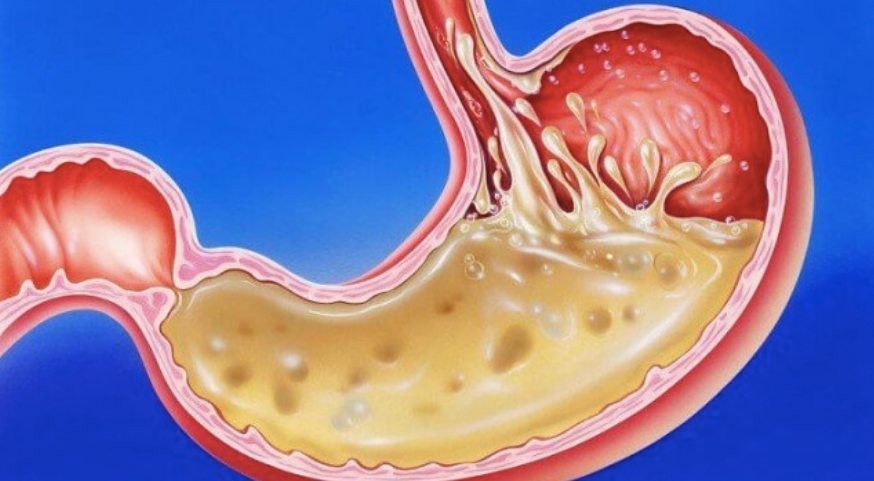
Maybe this will surprise you, but a lack of stomach acid can lead to stomach or intestinal cancer or to other chronic diseases.
In addition, bloating or belching is often caused by a low level of stomach acids.
The risk of health complications increases manyfold when a person takes medications to reduce stomach acid. These drugs are called antacids and are most commonly used for problems such as stomach ulcers or esophageal reflux.
They may relieve pain for a while, but in the long term they cause enormous damage to the body, not only by increasing the risk of cancer, but for example by depleting calcium from the bones.
How can a lack of acids cause cancer?
The first reason is that when there is a lack of acids in the stomach, food is not properly digested and can then rot in the intestines.
During this rotting, many toxic substances are produced that damage the intestines; this leads to inflammations, and long-term inflammation can lead to cancer.
The second mechanism for the development of cancer, in this case stomach cancer, is that a less acidic environment allows pathogenic bacteria such as Helicobacter pylori to take hold.
As is known from recent scientific findings, it leads to stomach inflammations, stomach ulcers, and over time even to cancer.
Stomach acid test
Determining whether you have a sufficient level of stomach acid is an important preventive measure and a significant step on your path to health.
Usually a professional test is used for this, which is only performed by doctors and is called the Heidelberg test. In it, the doctor inserts a small probe the size of a vitamin capsule into the stomach and then uses it to measure acidity.
However, there is also a simpler test that you can do yourself at home. You need to do the following:
- Mix 1/4 teaspoon of baking soda with half a glass of lukewarm water.
- Drink this mixture in the morning on an empty stomach.
- Wait a moment and observe what happens. Usually you only need to wait no longer than 3 minutes.
If you burp, it means your stomach acids are fine.
If you do not burp, it is quite possible that you have a low level of stomach acid. In that case you can go to a doctor to have a professional examination carried out that will either confirm or refute this result.
The test works on the principle that stomach acid reacts with baking soda, releasing carbon dioxide (CO2), which you then burp up.
The accuracy of this test increases when combined with the presence of clinical symptoms of reduced stomach acidity, which include:
- a bloated stomach, feeling full after eating
- undigested food, diarrhea, or constipation
- allergies to certain foods
- occasional nausea
- irritation around the anus
- soft and brittle nails
- varicose veins on the cheeks and nose
- fungal infections and intestinal dysbiosis
- acne
- iron deficiency
- hair loss
How to support digestion and the production of stomach acids
If you have a low level of stomach acids, you basically have 2 options:
Supplementing substances similar to stomach acids.
Stimulating the production of your own stomach acid.
The first group includes things like Betaine HCL with pepsin, apple cider vinegar, or lemon juice taken before or during meals.
If you have stomach ulcers or otherwise damaged stomach lining, be careful with these substances.
However, these preparations are only a temporary solution. In addition to directly supporting digestion, you should also try to increase the production of your own stomach acid and make digestion easier for your body.
The following foods, herbs, supplements and other tips are suitable for this:
- cabbage (contains the so-called vitamin U, which heals the stomach lining)
- sea salt (a source of chloride for the production of hydrochloric acid)
- don’t drink a lot of water during and after a meal (it dilutes the acids in the stomach)
- adequate chewing of food in the mouth (so it is more easily digested in the stomach and intestines)
- bitter foods, supplements or herbs – for example hops, dandelion root or artichokes (a bitter taste stimulates the production of stomach acid)
- fermented foods (they are already partially digested, so they are more easily processed by the body and also contain their own acids)
- bone broths (they regenerate the stomach and intestines)
We hope you liked this article and find it useful.
And don’t forget – many digestive problems do not stem from excess stomach acid, but rather from a lack of it, even though it may often appear otherwise.


