
Article content
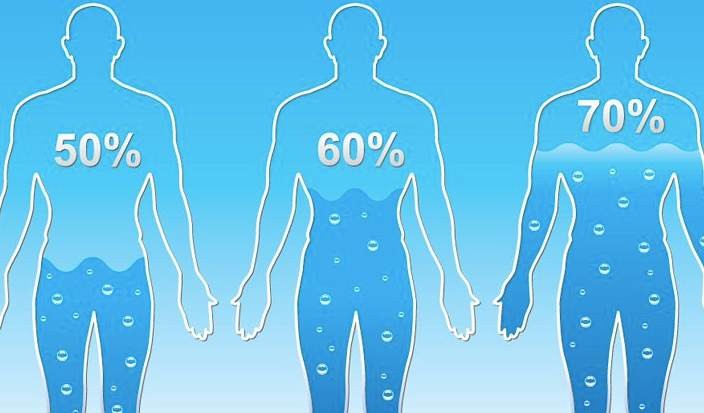
We all surely know that the human body is made mostly of water and to ensure its proper functioning, a sufficient amount of water is needed.
Muscles and kidneys are made up of 73% water, blood 83%, lungs 90% and the brain 76%. We constantly lose water through breathing and in the form of urine and sweat, so it is essential to replenish it.
Many of us have received the recommendation that we should drink at least 6 to 8 glasses of water a day, but when I ask patients how much water they drink, I find out that on average about 2 glasses a day.
The well-known rule states that to achieve optimal hydration men need to drink 3 liters (12 glasses) a day and women 2.2 liters (9 glasses) of water. A lower than recommended water intake can lead to mild dehydration, which manifests with numerous symptoms.
10 Symptoms of Dehydration
Dark yellow urine
Dark urine is often the first sign of a lack of water. Generally, urine should have a light yellow amber color. If a person drinks little, the kidneys’ urine excretes “a higher content of waste substances that need to be removed from the body”, which causes a different coloration.
Darker urine can also be a consequence of consuming medications, B vitamins, beetroot, blackberries, asparagus or food colorings. So if you notice a short-term change in urine color, first consider whether you ate something that could have caused such a change. Then increase your water intake and monitor whether the urine color changes
Decreased urine production
Most people urinate up to 7 times in 24 hours. If a person drinks little, there is nothing to replace the water that has been expelled from the body. In such a situation the kidneys try to retain as much fluid as possible to prevent dehydration.
Constipation
Dehydration is one of the most common causes of constipation, which can often be resolved by increasing fluid intake. When water consumption is insufficient, the body tries to obtain water wherever possible and absorbs it from the large intestine. A sufficient amount of water in the large intestine has a big impact on its passage. Naturally, lack of water leads to hardened stool and difficulty in evacuation.
Dry and wrinkled skin
Women desire soft and smooth skin and most of them rely on expensive moisturizing creams that they think will help. Some spend a lot of money on procedures to smooth out fine lines and wrinkles. But before you start spending money, try increasing your fluid intake. In severe cases dandruff, flaking or bleeding can occur. As the skin dries out, skin cells shrink, which causes more visible wrinkling of the skin, making it look older. The best way to rejuvenate your skin is sufficient fluids.
Feeling hungry and weight gain
The human body knows many things, but it cannot do everything — for example, it does not distinguish between hunger and thirst. The hypothalamus, the part of the brain responsible for regulating hunger and thirst, often reacts confusedly and answers thirst with a feeling of hunger. When thirst is then quelled with food instead of a glass of water, energy intake increases and weight gain occurs.
If you are trying to lose weight or want to maintain your current weight, ensure adequate fluid intake. If you feel hungry before you eat something, drink a glass of water and wait 10 to 15 minutes to see if the hunger passes. If the feeling of hunger persists, it means you are truly hungry and it’s time to eat.
Dry mouth
Believe it or not, if you’re thirsty, it means you are already mildly dehydrated. Dry mouth often appears together with a feeling of thirst and is a sign that the mucous membranes in the body need water replenishment. One way to quench thirst and get rid of dry mouth is to drink throughout the day.
Headache
When a person drinks little, the body tries to compensate for the insufficient fluid intake by absorbing water from all possible body tissues. This causes drying and shrinkage of brain tissue, which pulls away from the skull. Pain receptors are stimulated, resulting in a headache. At the same time, due to insufficient water intake, blood volume decreases and the amount of oxygen reaching the brain is reduced. As a result, cerebral arteries dilate, which leads to swelling and inflammation that increase the headache.
Fatigue
According to a 2011 study, even slight dehydration can cause fatigue, exhaustion and a feeling of lack of energy. With a lack of fluids and reduced blood volume, the heart has to expend more energy to distribute oxygen and nutrients in the body. So when you sometimes start to feel tired, skip the coffee (which dehydrates) and rather drink a glass of water.
Joint pain
Water acts as a lubricant for the joints because it allows free movement of the contacting surfaces of bones during joint motion. If the body is not supplied with enough water, the joints suffer from a lack of nutrients, which leads to damage of cartilage cells. With chronic dehydration, the degree of cell damage reaches a point where the cartilage irreversibly degenerates. If you suffer from joint pain, ensure adequate water intake and increase it if necessary.
Weakened immunity
Dehydration increases the concentration of toxins in the blood, which leads to weakening of the immune system. Optimal hydration is essential for the body’s ability to eliminate the byproducts of various diseases and enhances the immune system’s ability to defend against infection.


