
Article content
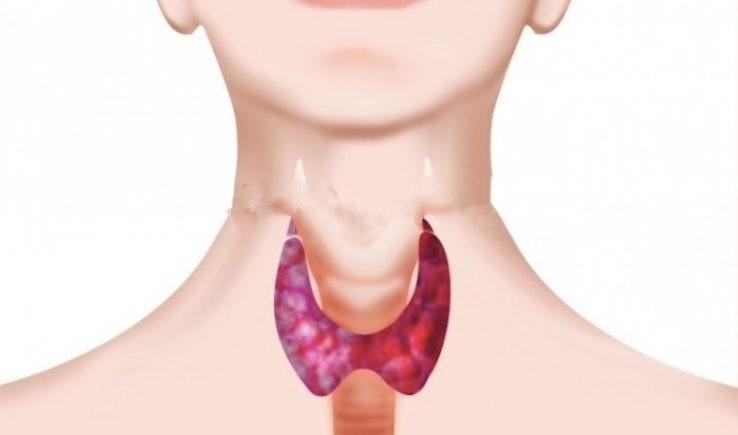
The thyroid is a small but extremely important organ in the human body. This endocrine gland is located on the front of the neck and produces hormones that affect metabolism, growth and development. The most important thyroid hormones include triiodothyronine (T3), thyroxine (T4) and calcitonin. Its function is regulated by the hypothalamus, a part of the diencephalon that coordinates hormone production. Although the thyroid is small, its improper function can lead to serious health problems.
Why is it important to pay attention to thyroid health?
Thyroid disorders affect approximately 20% of Czechs, with women at higher risk than men. Alarmingly, about half of the people with a thyroid disorder are unaware of their condition. Symptoms are often vague, unpleasant and can overlap with other health issues, which leads to them being overlooked. If these symptoms appear and persist, they can significantly worsen quality of life. Therefore it is important to know the warning signs that may indicate thyroid problems.
7 Signs that may indicate a thyroid disorder
-
Heart palpitations and high blood pressure
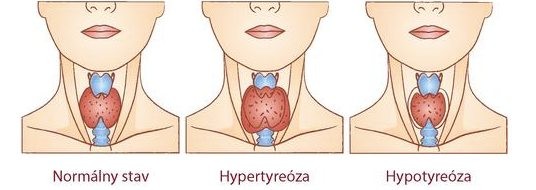
- If you experience irregular or rapid heart palpitations, or have elevated blood pressure, it may be a sign of hyperthyroidism (increased thyroid function). This condition increases hormone production, which can lead to excessive stimulation of the heart.
-
Changes in body weight
- Significant and unexplained changes in body weight are another warning sign. Hypothyroidism (reduced thyroid function) can cause weight gain, while hyperthyroidism can lead to weight loss.
-
Constant fatigue
- Ongoing fatigue that doesn’t go away even after sufficient rest may be a sign of hypothyroidism. Low levels of thyroid hormones slow the metabolism, leading to a feeling of exhaustion.
-
Mood changes and stomach problems
- People with thyroid disorders often suffer mood changes, depression, or anxiety. Hyperthyroidism can cause irritability, while hypothyroidism can lead to depression. Stomach problems, such as constipation or diarrhea, may also be a symptom.
-
Concentration problems
- The thyroid also affects the brain. Hypothyroidism can cause worsening concentration, memory and the ability to think clearly. Conversely, hyperthyroidism can lead to nervousness and irritability.
-
Persistent throat pain
- If you have long-term throat pain, it may be a sign of thyroid problems, especially if the gland is enlarged or tender to the touch.
-
Hair loss and dry skin
- Hair loss and dry skin are often associated with hypothyroidism. A lack of thyroid hormones affects the health of the skin and hair, leading to brittleness and shedding.
Conclusion
If any of the above symptoms occur in you for a prolonged period, do not hesitate to see a doctor. A thorough examination of the thyroid is essential, which may include blood tests to measure hormone levels, ultrasound or biopsy. Early diagnosis and treatment can significantly improve quality of life and prevent serious complications. The thyroid is small, but its impact on our health is enormous. Do not underestimate its signals and take care of it with proper attention.


