Article content
“You are what you eat.” You have surely heard this famous saying. However, our health is also greatly influenced by what we do before the meal itself.
There are 9 things you should not do especially when you have an empty stomach, or if at least 2 hours have passed since your last meal. And those are exactly what we’ll talk more about in today’s article.
As a bonus at the end we’ll reveal what you should do instead when you feel hungry.
1. Do not take anti-inflammatory drugs
Common pain and anti-inflammatory medicines, for example aspirin, paracetamol or ibuprofen, should not be taken on an empty stomach.
Not only does this reduce their effect, but they can cause serious health problems, such as bleeding in the stomach or intestines.
Milk tends to reduce the undesirable effects of these medicines. If you don’t have it on hand, then when taking them at least drink plenty of plain water.
2. Don’t drink coffee
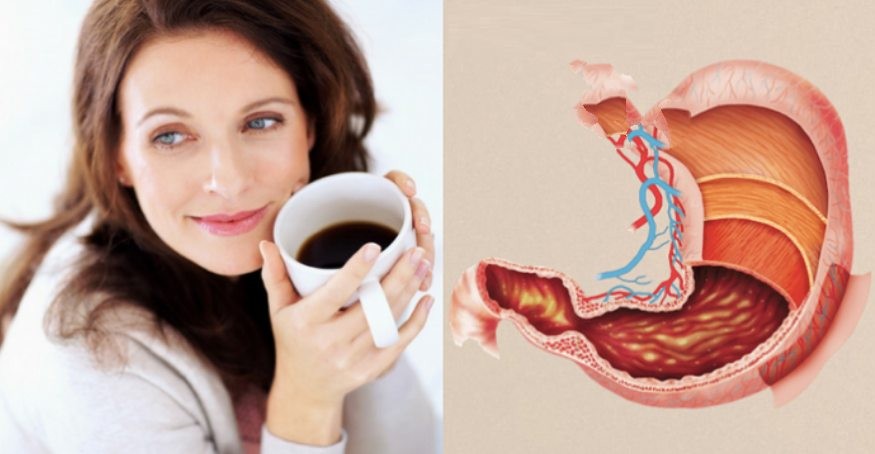
Even decaffeinated coffee stimulates the production of stomach acids, which can, on an empty stomach, cause heartburn or other digestive problems.
If, after coffee on an empty stomach, you additionally skip breakfast, the result may be a lack of serotonin and a bad mood for the rest of the day.
If you can’t give up the habit of drinking coffee first thing in the morning, at least add milk or cream to it. As in the previous case, milk can also help soften its undesirable effects on the stomach when drinking coffee.
It’s also better to drink brewed coffee rather than instant.
3. Don’t drink alcohol
Without food, the rate of alcohol absorption into the blood doubles and approaches the effect of being injected directly into a vein.
At the same time, the breakdown of alcohol’s metabolic products is weakened, resulting in a severe hangover. The rapid effect of alcohol on the body has adverse consequences for your liver, heart and kidneys.
In case you find yourself in a situation where an alcoholic drink is offered to you and you haven’t eaten, choose a chilled, non-carbonated alcoholic drink. This type is absorbed more slowly.
Also try to eat at least one small sandwich, ideally one with butter (fat binds alcohol).
4. Don’t chew gum
Stomach acids that are released while chewing gum damage the stomach lining. Frequent chewing on an empty stomach can lead to gastritis.
It has been scientifically proven that people who chew gum prefer fast food items such as fries or various sweets over fruit and vegetables.
If you do chew gum, at least choose ones that contain natural sweeteners like xylitol and sorbitol rather than sugar, sodium cyclamate or aspartame.
It is also not recommended to chew gum for more than 10 minutes, even on a full stomach.
5. Don’t go to bed
Hunger and low blood sugar prevent us from falling asleep, cause shallow sleep and provoke premature waking.
It is also interesting that lack of sleep increases levels of hunger hormones. That’s why the next day after skipping dinner we eat more.
However, eating before bed is also not a good idea. The best thing is to have a glass of warm milk with honey then.
Milk contains calcium and magnesium – minerals that support sleep. Honey, on the other hand, raises blood glucose levels and allows us to fall asleep more easily.
6. Don’t exercise intensively
There is an opinion that exercising on an empty stomach burns more calories. The truth, however, is that it does not affect fat loss, but it does affect the loss of muscle mass.
Besides, it’s harder to exercise on an empty stomach because you lack energy.
Instead of intensive workouts, do aerobics. But before that have a small snack, because any exercise increases the production of stomach acids, which can be harmful to the stomach.
7. Don’t shop or make shopping lists
We all know that hunger makes us buy more groceries in the supermarket than we actually need.
According to research, the internal signal “I need food” turns into “I want more” and a person then listens to this inner voice and buys more.
Therefore prepare shopping lists in advance and always only when you are fed. Saving money in stores also helps if you pay cash instead of by card.
8. Don’t drink citrus fruit juices
The acids and insoluble fiber in citrus fruits irritate an empty stomach, which is especially dangerous for people with gastritis or stomach ulcers, or increases the risk of these conditions.
The only exception is drinking lukewarm water mixed with a little fresh lemon juice in the morning after waking up. Breakfast should follow this as well.
Freshly squeezed juice from oranges or grapefruits should also be diluted with water at a ratio of 1:1 for people with stomach problems, or 2:1 for others (2 parts juice, 1 part water).
9. Don’t argue
Research has shown that when we are hungry, we are more likely to argue. This is because self-control also requires energy, which we have little of when hungry.
If you don’t have time to eat before a serious discussion, then at least drink some warm beverage and offer it to the other person as well.
Your discussion will then be much more productive and pleasant.
What to do instead when you are hungry
You are probably now thinking that we will tell you to eat.
You can do that, but there are also things you do even better when hungry than when you are full.
A. Problem solving
When hungry, attention and concentration are higher than when satiated. This stems from ancient instincts when our hungry ancestors had to focus on hunting food.
The hunger hormone ghrelin also helps with various other activities requiring brain activity.
B. Making decisions
If you can’t decide what you want, for example whether a red skirt or a blue jacket (or anything else), try to make that decision on an empty stomach.
Research confirms that hunger leads people to more successful, although more impulsive decisions.
Of course, don’t use this method when it comes to important decisions about finances, relationships or other serious matters.