Article content
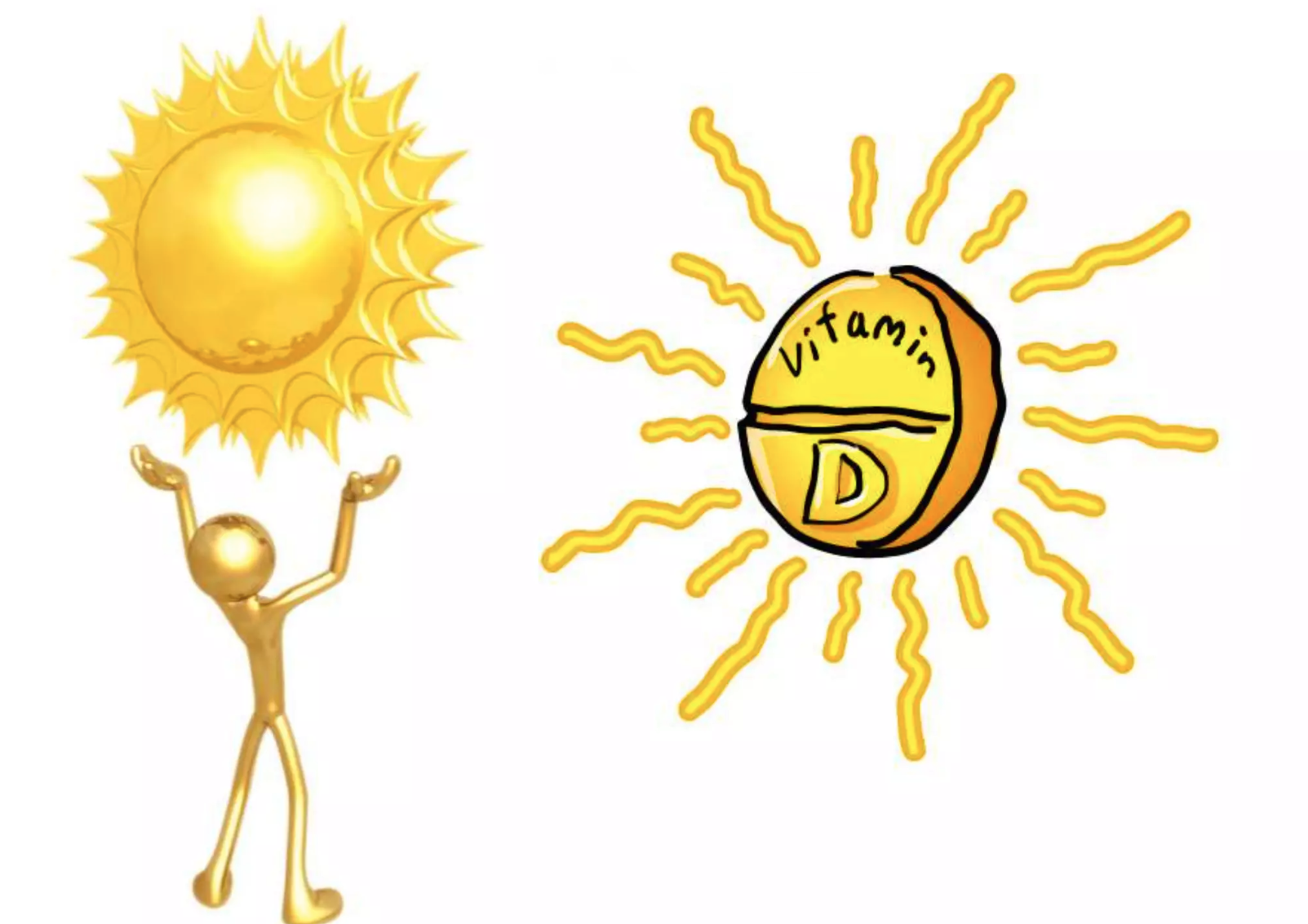
Public health authorities claim that annual influenza vaccination is a guaranteed way to avoid the disease. But is there scientific justification for this claim? If you have repeatedly succumbed to this yearly promotional campaign, you may be surprised to find that for a whole decade medical literature has shown vitamin D to be much more effective.
Vitamin D as a defense against the flu
Dr. John Cannell, founder of the Vitamin D Council, was one of the first to introduce the idea that vitamin D deficiency may be the real cause of influenza. His hypothesis was originally published in the journal Epidemiology and Infection in 2006. It was followed by another study published in the journal Virology in 2008.
The following year, the largest nationwide study of its kind to date found that people with the lowest levels of vitamin D indeed reported significantly more colds and influenza illnesses. In conclusion, the lead author, Dr. Adit Ginde, stated: “The findings of our study support an important role for vitamin D in the prevention of common respiratory infections such as colds and influenza. Individuals with common lung diseases, such as asthma or emphysema, may be especially susceptible to respiratory infections precisely because of vitamin D deficiency.”
Vitamin D is more effective than the flu vaccine
Since then several studies have reached similar conclusions. Only recently a scientific review of 25 randomized controlled trials confirmed that vitamin D supplementation boosts immunity and reduces the number of colds and influenza illnesses. The studies overall included nearly 11,000 participants from more than 12 countries. According to Time: “… people who took supplemental forms of vitamin D daily or weekly reported acute respiratory infections like influenza and colds much less often than those who did not take vitamin D. In people with the most pronounced vitamin D deficiency (blood levels below 10 ng/mL), taking supplemental vitamin D halved the risk of respiratory infections. Even people with higher blood vitamin D levels saw a modest reduction in risk: about 10%, which nearly matches the protective effect of the injected influenza vaccine,” the researchers say.
Like Cannell, the scientists believe vitamin D provides protection by increasing antimicrobial peptides in the lungs and that “this may be the reason why colds and influenza are so common in the winter when we are least exposed to sunlight (and therefore have the lowest natural production of vitamin D)…” According to this international research team, vitamin D could prevent more than 3.25 million cases of colds and influenza per year in the United Kingdom alone.
Another statistic that says vitamin D is more effective than the vaccine in the fight against influenza is the “number needed to treat” (number needed to treat = NNT). Overall, one person out of 33 people who would take vitamin D in supplemental form (NNT = 33) would avoid influenza, whereas vaccinating 40 people prevents influenza in only one of them (NNT = 40). Among people with a large vitamin D deficiency at the start of treatment the NNT was 4. In other words, if you start with a low blood level of vitamin D, supplemental vitamin D is 10 times more effective for you than the flu vaccine.
Optimizing vitamin D is the best defense against the flu
Optimizing vitamin D is one of the best options for flu prevention and one of the available strategies to stay healthy. Of course, your diet also plays an important role, as it is the foundation for proper immune function. A diet high in sugar is a guaranteed way to reduce the body’s natural ability to fight any kind of infection, because it radically impairs immune function.
However, it cannot be said that fortifying processed foods with vitamin D is the best solution. On the other hand, it is likely that even that could have a fairly strong effect in people who still do not realize the general positive effects of sunlight on human health. Sensible sun exposure is the best way to optimize your body’s vitamin D level. Taking supplemental vitamin D3 is recommended in cases where it is truly not possible to obtain vitamin D from sunlight.
Mainstream media ignore the “gold standard” studies
The gold standard of scientific analyses, the so-called Cochrane Database of Systematic Reviews, issued several reports from 2006 to 2012, each of which undermined the claim that vaccination is the most effective defense against influenza. In 2010 Cochrane issued a conclusion that the mainstream media completely ignored: “Influenza vaccines have only a modest effect in reducing influenza symptoms and days off work. There is no evidence that they prevent complications of the disease such as pneumonia or transmission of the disease.
WARNING: This systematic review includes 15 of 36 industry-funded studies (four contained no statement on funding). A previous systematic review of 274 studies on influenza vaccination, published up to 2007, found that industry-funded studies were usually published in prestigious journals and were cited more often, regardless of methodological quality and scope. Results from publicly funded studies spoke in favor of influenza vaccines to a substantially lesser extent.”
So even though 15 of the 36 included studies were influenced by industry interests, the necessary evidence still did not emerge to support the claim that vaccination is the most effective and efficient form of prevention against influenza.
Other foods and supplements that will get rid of pathogens
In addition to vitamin D, there are a number of other foods and supplements that can be of great benefit to us during a cold or the flu:
-
Garlic – it is a natural antiviral, antibiotic and antifungal and has long been known for its great immune-boosting effects. The Cochrane database, which has repeatedly shown that the science supporting flu vaccination is at best superficial, also examined studies on alternative flu treatments, including garlic. Unfortunately, such research is hard to find because there is no financial incentive to encourage it. Still, in the only study Cochrane obtained, those who consumed garlic daily for 3 months caught colds less often than those who took a placebo. If they did get sick, the duration of illness was 4.5 days compared to 5.5 days in the placebo group. That may not seem very impressive, but it is still more than you can achieve with the flu drug called Tamiflu.
-
Vitamin C – vitamin C is a very powerful antioxidant. Use natural forms such as acerola, which also contain beneficial micronutrients. You can take several grams every hour (get it in liposomal form to avoid loose stools) until your condition improves. It’s worth taking with you when traveling.
-
Zinc – The Cochrane database, when evaluating the medical research on zinc, found that if zinc is taken within 24 hours of noticing the first symptoms, it can reduce the duration of a cold by a full day. Zinc was found to lessen the severity of symptoms. Zinc is not recommended for people who have serious health problems such as reduced immune function, asthma or some chronic disease. It is not recommended to take more than 50 mg per day, nor to take zinc daily as prevention, because it can lower copper levels in the body.
-
Oregano oil – the higher the concentration of carvacrol, the stronger the effect of this oil. Carvacrol is the most active antimicrobial component in oregano oil.
-
Medicinal mushrooms – medicinal mushrooms such as shiitake, reishi and turkey tail are suitable for boosting immunity.
-
Olive leaf extract – olive leaf extract is generally known as a natural, non-toxic way to build the immune system.
-
Herbal teas – to boost immunity, teas made from elder, yarrow, SADC, linden, mint and ginger are suitable. To beat a cold and the flu, drink them hot and often. They cause sweating, which helps flush the virus from the body.