Article content
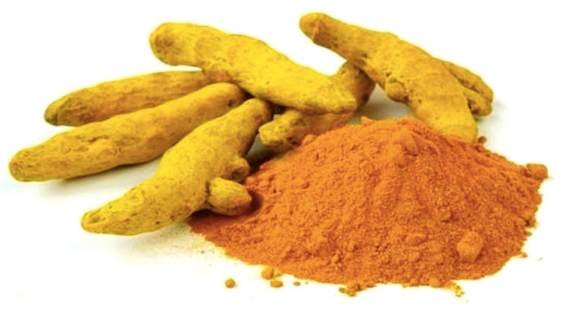
Turmeric is currently among the most studied plants. The medicinal effects of the substances contained in it (primarily curcumin) have been analyzed in more than 5600 scientific studies.
One of the studies of this almost sacred plant revealed over 600 potential preventive and therapeutic applications, as well as another 175 beneficial psychological effects.
The entire database with more than 1 600 scientific abstracts on turmeric can be downloaded in pdf format from this place .
Given the quantity and density of research conducted on this remarkable root, it is not surprising that more and more studies describe it as more effective than many conventional drugs.
Below is a list of drugs which turmeric has significantly outperformed with its effects.
1. Lipitor / Atorvastatin (cholesterol drug)
A 2008 study, published in the journal Drugs in R & D (Drugs in Research and Development) found that a standardized curcuminoid extract was more effective than the drug Atorvastatin.
It is intended to treat blood vessels affected by atherosclerosis.
Curcuminoids achieved better results in reducing inflammation and eliminating oxidative stress in type 2 diabetics .
2. Corticosteroids (steroidal drugs)
A 1999 study published in the journal Phytoterapy Reasearch (Phytotherapy Research) found another remarkable effect of the primary polyphenol in turmeric, the colored pigment curcumin.
It proved to be more effective compared to steroid drugs for chronic arterial uveitis (inflammatory eye disease).
It also had a stronger effect than steroids on complications caused by lung transplants.
3. Prozac / Fluoxetine and Imipramine (antidepressants)
A 2011 study published in the journal Acta Poloniae Pharmaceutica showed curcumin in a more favorable light than classical antidepressants in suppressing depressive behavior in an animal testing model.
4. Aspirin
In a 1986 study conducted both in test tubes and directly on living tissues, published in the journal Arzneimittelforschung (Drug Research), it was found that curcumin has blood anticoagulant effects similar to aspirin.
Its use in patients at risk of thrombosis therefore appears not only beneficial but also safer than aspirin.
5 – 13. Anti-inflammatory drugs
(Ibuprofen, sulindac, phenylbutazone, naproxen, indomethacin, diclofenac, dexamethasone, celecoxib and tamoxifen)
A 2004 study published in the journal Oncogene (Cancer gene) revealed that curcumin , as well as resveratrol , were effective alternatives to the mentioned drugs in suppressing inflammation and the proliferative activity of tumor cells.
14. Oxaliplatin (chemotherapy)
In 2007 an interesting study was published in the journal International Journal of Cancer (International journal of cancer).
It found that curcumin had better results in suppressing the growth of colorectal cancer cells compared to oxaliplatin.
15. Metformin (diabetes drug)
A 2009 study published in the journal Biochemistry and Biophysical Research Community (Biochemistry and Biophysics Research Community) discovered how curcumin may be beneficial in the treatment of diabetes.
Specifically by activating AMPK (which increases glucose utilization) and suppressing the expression of a specific gene responsible for decreasing glucose production in the liver.
Curcumin is even 500 to 100 000 times more potent than metformin in activating AMPK and its ultimate target – acetyl carboxylase (ACC).
Other therapeutic benefits of curcumin
Among other remarkable properties of curcumin is its effect on types of cancer resistant to chemotherapy and radiotherapy.
In at least 54 studies the ability of curcumin to induce cancer cell death is documented.
When taking into account the history of turmeric and its use as both food and medicine by many cultures over thousands of years, this justifies its use in alternative cancer treatment .
Or even better – consume turmeric every day in small amounts as a flavoring for food. That way, later in life large doses may not be necessary for the serious illnesses it can prevent.
Add also a pinch of pepper to turmeric. Pepper contains piperine, which facilitates the absorption of curcumin and thus multiplies its potency several times.
Regularly nourishing your body, instead of subsequent treatment, should be the ultimate goal of healthy eating.