Article content
Caffeine offers many health benefits such as relieving headaches, improving mental alertness, or even reducing symptoms of some chronic conditions like diabetes or asthma.
However, the benefits of caffeine turn into a disaster when it is added to energy drinks full of sugar, artificial stimulants, toxins and other additives.
Energy drinks and their effect on the heart
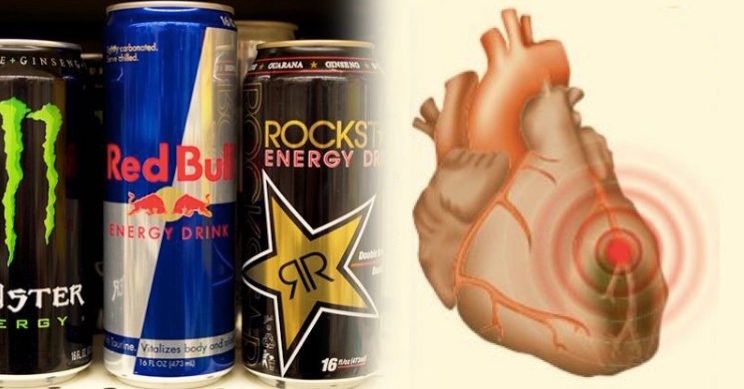
It seems energy drinks create chaos for the heart and the entire cardiovascular system, which can even end in a heart attack.
Unfortunately, this was also the case for Cory Terry, a 33-year-old father from Brooklyn, USA, whose death may have been caused by consumption of Red Bull – one of the most popular energy drinks.
As his mother told the New York Daily News:
“Terry was an active young man, a non-smoker, who drank the mentioned energy drink every day.
He drank it constantly. He used to say it always boosted him and gave him strength.”
The well-known health portal Mayo Clinic recently published a study that found energy drinks like Red Bull can cause major problems for people with some cardiovascular issues.
Even in healthy people they can lead to dangerous symptoms.
What the study found
One study involved 15 people consuming 2 cans of an unidentified energy drink daily (similar to Red Bull in composition) over the course of one week.
These people experienced an 8% increase in blood pressure within 4 hours after consuming the drink, and by the end of the week their blood pressure remained elevated by up to 10%!
Additionally, the participants’ heart rate increased by 8% at the beginning and by 11% at the end of the week
These factors – heart rate and blood pressure – are two factors that increase the risk of a heart attack. Moreover, high blood pressure can damage blood vessels in the brain, which can then lead to a possible stroke.
The risk of blood clot formation also increases, which similarly can cause both a heart attack and a stroke.
Composition of energy drinks
To illustrate the effect of energy drinks on the cardiovascular system, we must consider their common composition.
Besides the aforementioned sugar, they contain several stimulants, mainly caffeine and taurine, along with B vitamins.
The problem is that there is very little research on this combination of substances and their effect on our bodies.
Another study analyzed the effect of Red Bull on participants before and after exercise. It included 13 people who underwent endurance training. They trained 3 times a day.
Some used Red Bull, others a similar drink, or a placebo.
The results showed that Red Bull was the only drink that affected the amount of blood pumped to and from the heart.
This points to possible negative effects of the combination of these stimulants on the cardiovascular system, even though they may be harmless when taken separately.
Conclusion
The next time you reach for Red Bull or another energy drink with a similar composition, keep in mind that it can have an adverse effect on your heart.
It is better to avoid such drinks before they cause any unwanted health consequences. If you need a quick energy boost, rather have a regular cup of coffee instead of them.