Article content
In our stomach there should be a sufficiently strong acidic environment that adequately digests proteins and ensures availability of vitamin B12.
If this is not the case, proteins from food do not break down into amino acids. Our body needs those to make enzymes, hormones and other proteins necessary for building tissues, for example muscles.
The body then literally lacks the building blocks necessary for its proper functioning.
What insufficient stomach acid levels can cause in the body
Another problem of low stomach acid is that poorly digested food begins to rot in the intestines and release toxic substances that damage the intestines.
This then leads, for example, to leaky gut syndrome.
Then toxins and gluten literally create holes in the intestines, through which substances that have no business there are subsequently absorbed into the blood.
The destruction in the body thus continues. Toxins reach organs or joints, where our immune system attempts to neutralize them.
The result is various types of inflammation, joint pain or even the development of autoimmune diseases such as diabetes, arthritis, psoriasis or even cancer.
As you can see, a healthy level of stomach acid is more important to us than we think. But how to find out whether we have enough?
Fortunately, there is a fairly simple test, which we will describe more in our article today.
Test to determine the level of stomach acid
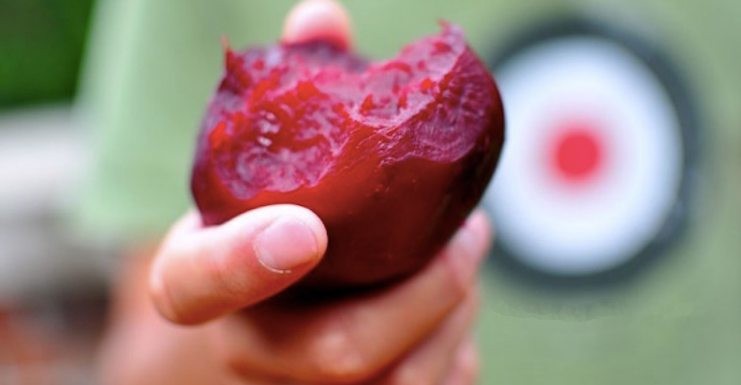
As the title of the article suggests, we will need beetroot for this test.
Prepare the beetroot in your preferred way – whether by preparing it for fresh juice or by cooking it.
Then drink the beetroot or the beetroot juice.
Then over the next hours to a day monitor the color of your urine. If the beetroot colors it pink, it means that the level of your stomach acid is probably low.
With the correct acid level, the red pigment from the beetroot is broken down in the stomach and does not pass further into the intestines, the blood and from there through the kidneys into the urine.
However, if the acid level in the stomach is low, the pigment is not digested and ends up in the urine.
How much beetroot to eat
Of course, you must not eat too much beetroot or drink too much of its juice.
If you did, part of the pigment would remain undigested even in people with healthy stomach acid levels and would still cause urine discoloration.
But if you eat only a relatively small to medium amount of beetroot, the stomach should be able to digest all the pigment.
Therefore the amount should not exceed 100 grams of beetroot or 1 deciliter of juice.
How to improve stomach acid production
If you happen to find that you have an insufficient level of acids in your stomach, there are several ways to support their production.
1. Supplying substances needed for stomach acid production
Hydrochloric acid is made of hydrogen and chlorine and the body can produce it itself. To do that, however, it needs to have enough of both elements.
Hydrogen is part of water, so make sure you take in enough fluids and that the body is always properly hydrated. When water is lacking, the production of nearly all bodily fluids slows down.
Chlor is found in salt (sodium chloride). Many people try to limit their salt intake, but they forget that salt is necessary for the body. Sodium functions as an electrolyte and chlorine is essential for the production of stomach acid.
Therefore, don’t overdo it with salt, but don’t restrict it too much either.
2. Herbs and foods to support stomach acid production
You can also support stomach acid production with herbs and foods that promote its production.
These include, for example:
- cabbage
- fermented foods
- hops
- dandelion
- artichokes
For a quick fix and to increase acidity in the stomach you can also drink 1 to 2 teaspoons of vinegar diluted with a little water before or during a meal. Lemon juice is also suitable for this purpose.
However, do not drink water or other beverages after a meal, because this will actually dilute the acids in the stomach and thus worsen the digestion of the food you have just consumed.