
Article content
Cancer is never a pleasant disease. However, ignoring its possible symptoms and hoping it’s something else can significantly worsen the situation.
Unfortunately, many women ignore the early signs of leukemia, which can later have serious consequences.
As with any cancer, early detection and treatment of leukemia greatly affect the body’s ability to successfully fight it and thus increase the chances of survival.
Leukemia symptoms are easily overlooked
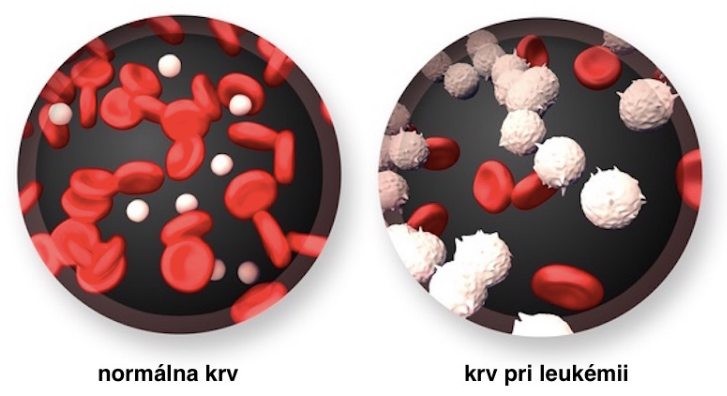
After abnormal cells multiply in the bone marrow, the body stops producing normal blood cells. Such a lack of healthy blood cells then causes various physical symptoms.
The problem is that symptoms of leukemia are often mistaken by both women and men for other illnesses.
In fact, some types of leukemia, such as chronic lymphocytic leukemia, may not present any symptoms at all! Doctors may detect it only during random blood tests when an abnormal blood count appears.
On the other hand, the symptoms of acute lymphoblastic or acute myelogenous leukemia are very similar to common flu symptoms, so people often confuse them.
Fever or fatigue is easily brushed off as overwork, lack of sleep, or a cold.
Leukemia is often considered a disease that affects children, but in reality it affects many more adults than pediatric patients. Women also tend to overlook it more than men and excuse symptoms by citing a busy lifestyle or the many responsibilities women usually have.
Signs and symptoms of leukemia
Blaming hormonal changes or the menstrual cycle for worsening health often serves as an excuse for women.
Therefore, if you experience the following symptoms, do not ignore them and pay proper attention.
1. Fevers
As the American Cancer Society notes, fever is often the most common symptom of leukemia that you must not ignore.
Because leukemia affects your immune system, it can make you more susceptible to various infections. As your body unsuccessfully tries to fight infections, the result is fever, which is usually the first sign of developing leukemia.
So do not ignore it, especially if you have an increased risk for this disease or if other symptoms occur at the same time.
2. Fatigue, weakness, feeling short of breath
These symptoms are something that each of us experiences sometimes, especially after a hard day.
Unfortunately, fatigue can sometimes signal the presence of a type of cancer such as leukemia. Typical manifestations of fatigue include:
- general weakness
- dizziness or lightheadedness
- shortness of breath
- palpitations
3. Pale skin and anemia
Iron-deficiency anemia tends to affect women more often than men.
Many women then assume their anemia is caused by a lack of that mineral. The problem is that anemia can also be a consequence of leukemia.
As noted above, in leukemia abnormal cells crowd out healthy cells in the bone marrow, including red blood cells. With their reduced number you will later begin to experience symptoms of anemia due to insufficient oxygenation of the body.
These symptoms include fatigue, headaches, chills, and shortness of breath.
4. Night sweats
Excessive sweating, especially at night, can have many different causes — from acid reflux, sleep apnea, and menopause to low blood sugar.
However, it is also an early sign of approaching leukemia. As the British National Health Service points out, night sweats caused by leukemia are often accompanied by other symptoms.
Therefore, when night sweats occur, also pay attention to these other symptoms to either confirm or rule out leukemia as the cause.
5. Bleeding between menstrual cycles or very heavy menstrual bleeding
With leukemia you may notice bleeding between regular menstrual cycles. But this is more than slight spotting that you may have experienced in the past.
Some women with leukemia also experience heavy bleeding during their regular period.
6. Bruising, petechiae (small spots on the skin), bleeding gums and nosebleeds
If you bruise very easily, be aware that this can be a sign of leukemia.
Similarly, bleeding gums or frequent nosebleeds are other warning signs.
In some people small flat red spots also develop on the skin, called petechiae. These are the result of bleeding under the skin.
7. Swollen lymph nodes and spleen
Swollen or enlarged lymph nodes are another sign of leukemia. You may also notice swelling under the arms or in the neck.
Some women with an enlarged spleen feel discomfort or even pain in the abdomen under the ribs on the left side.
8. Frequent infections
Your blood is the basis of your immune system. Unfortunately, leukemia throws its balance into chaos because it disrupts the function of the white blood cells that fight infections.
Without an adequate defense mechanism, your body will be susceptible to various types of infections. This is also why people with leukemia are often ill or more easily infected by germs.
Also, when an infection does occur, it tends to be more severe and lasts much longer before it heals.
9. Weight loss
Weight loss is something most women welcome. However, unexplained weight loss is not a good sign and can be a symptom of a more serious illness, including leukemia and other types of cancer.
Weight loss in leukemia occurs because the body then consumes a lot of energy and must tap into its reserves to cope with increased demands.
Therefore, even with the same diet and physical activity, you may suddenly lose body weight.
This effect is even greater if you also have an enlarged spleen pressing on your stomach, which causes a false feeling of fullness.


