Article content
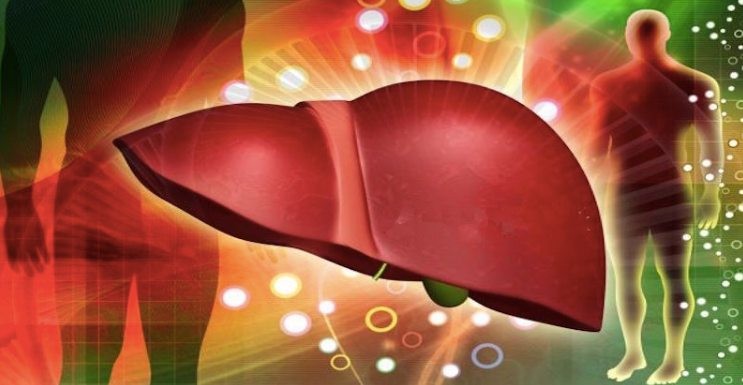
The liver is one of the most important organs in our body. By size it is among the largest organs and is located in the upper part of the abdominal cavity, partially protected by the ribs. The liver plays a key role in many vital functions, and therefore it is essential to take good care of it.
Common liver diseases
There are more than 100 different diseases that can affect the liver. The most common include:
- Alcoholic liver damage
- Viral hepatitis A, B and C
- Fatty liver
- Cirrhosis
- Uric acid buildup (causing gout)
Early symptoms of liver disease are often subtle and easily mistaken for other health problems. It is important to recognize these symptoms in time so that proper care can be started and further deterioration of the condition possibly prevented.
Warning signs of liver problems
If you experience any of the following symptoms, it may indicate a liver problem:
- Chronic fatigue
- Lethargy
- Anxiety and depression
- Poor digestion
- Headaches
- Chronic muscle and joint pain
- Acne and other skin problems
- Gas and bloating
- Diarrhea or constipation
- Hormonal imbalance
Do not underestimate these symptoms and seek medical help if in doubt. In addition to these symptoms, some people may experience difficulty losing weight even with a healthy diet and regular exercise.
How to care for your liver: cleansing, regeneration and treatment
If you develop these symptoms, it is important to pay special attention to what you consume and make certain lifestyle changes. Here are some tips on how to take care of your liver:
-
Adequate fluid intake: Drink enough water to support liver detoxification.
-
Avoid processed foods: Prefer organic foods that do not contain excess sodium and toxins.
-
Diet rich in whole foods: Include whole foods in your diet such as meat (not processed meat products), grains, fermented foods, nuts and seeds.
-
Eliminate inflammatory oils: Limit consumption of oils such as canola, corn, soybean and sunflower, which contain high amounts of omega-6 fatty acids.
-
Healthy fats: Favor healthy fats, for example butter, avocado and oils such as coconut, flaxseed, olive and hemp.
-
Limit processed sugars: Avoid processed sugars that burden the liver.
-
High fiber intake: Eat foods rich in fiber, such as chia seeds, artichokes, avocado, broccoli and Brussels sprouts.
-
Reduce fructose intake: Limit daily fructose (fruit sugar) intake to a maximum of 20 grams.
Conclusion
Proper liver care is key to overall health. Watch for warning signs, adjust your lifestyle and diet to ensure optimal functioning of this important organ. Share this information with your loved ones and help them care for their health as well.