Article content
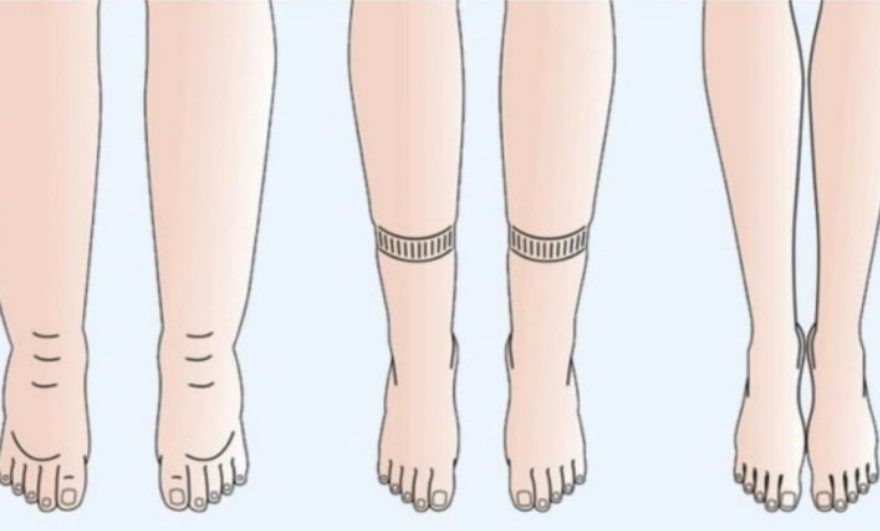
Water retention in the body is a very unpleasant phenomenon, and although it is not a life-threatening condition, it can lead to more serious health problems such as heart failure or kidney disease. In most cases, water retention can be prevented, treated or at least its symptoms alleviated.
The most common causes are:
1) Excessive sodium intake
If you consume foods high in sodium, or if you salt a lot and at the same time do not take in enough fluids, the body switches to the so-called reserve mode and begins to store fluids. Cells try to dilute the high concentration of salt and can increase their volume by up to 20 times!
Salt is not the only source of sodium. Canned foods, processed meats (salami, ham, sausages) and certain types of seasonings also have a high sodium content. Common salt can be replaced with sea salt or Himalayan salt.
2) Lack of vitamin B6
Vitamin B6 ensures the balance of water in the body. When the body lacks it, disorders in its regulation may occur. A study published in the Journal of Caring Science found that women suffering from premenstrual syndrome experienced a significant improvement when they took vitamin B6.
Foods high in vitamin B6 include:
- chicken
- tuna
- turkey
- lean beef
- sunflower seeds
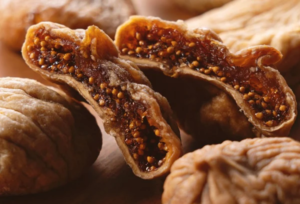
- dried fruit
- pistachios
- potatoes with skin
- bananas
3) Lack of potassium
This important mineral ensures the proper functioning of body organs, tissues and the cells themselves. It is the element that maintains the fluid balance in the body. Consuming foods high in sodium, excessive sweating during exercise and insufficient intake of potassium-containing foods lead to depletion of its stores.
All of this then contributes to the formation of swelling. In addition, potassium deficiency leads to many other health problems such as weight gain, cramps or muscle pains. Potassium and sodium push each other out. Increasing potassium intake leads to the excretion of sodium through urine, thereby reducing swelling in the body. Potassium is found in almost all fruit, but it is most abundant in melons, potatoes and bananas. You may also consider supplementing it in the form of dietary supplements.
4) Dehydration
Lack of fluids leads to body dehydration.
In such a case the body begins to react by retaining water in order to survive. Regular drinking of a sufficient amount of water or juices rich in potassium can eliminate dehydration and at the same time the swelling. Therefore drink enough water until the retained water begins to be gradually flushed out of the body. During that time avoid coffee, because it has a dehydrating effect.
5) Magnesium deficiency
Water retention in the body is one of the signs of magnesium deficiency. Magnesium is essential for almost every bodily function. Its low level is a harbinger of various health problems. According to one study, a daily intake of 200 mg of magnesium was able to reduce water retention in women with premenstrual symptoms. Therefore consuming foods high in magnesium or taking supplements with quality, easily absorbed forms of magnesium greatly relieves and eliminates swelling.
Foods high in magnesium include:
- chocolate
- leafy greens
- avocado
- nuts
- whole grains
- peas
- spinach
- yogurt
- dried fruit
6) Excessive consumption of processed foods
In addition to their high sodium and sugar content, processed foods are also characterized by various artificial sweeteners, colorings and other toxins that damage the liver and kidneys. Artificial sweeteners are especially dangerous as they cause chaos in the body, insulin fluctuations, sodium accumulation and subsequent fluid retention through reabsorption in the kidneys. Therefore avoid processed foods and regularly detoxify the body with fresh vegetable and fruit juices. Above all, take care of the health of your liver and kidneys, which play a key role in this process. In addition, there are some herbs that help remove fluid accumulation in the body.
These include the following herbs with diuretic effects:
- dandelion
- nettle
- hibiscus
- garlic
- fennel
- parsley