Article content
The mode of delivery has a major influence on the composition of infants’ gut microflora, which is related to the development of their immune system.
Scientists from the Czech University of Life Sciences Prague and Motol University Hospital, however, found a shocking piece of information.
Czech scientists discovered a shocking piece of information that all mothers, and humanity as a whole, should know.
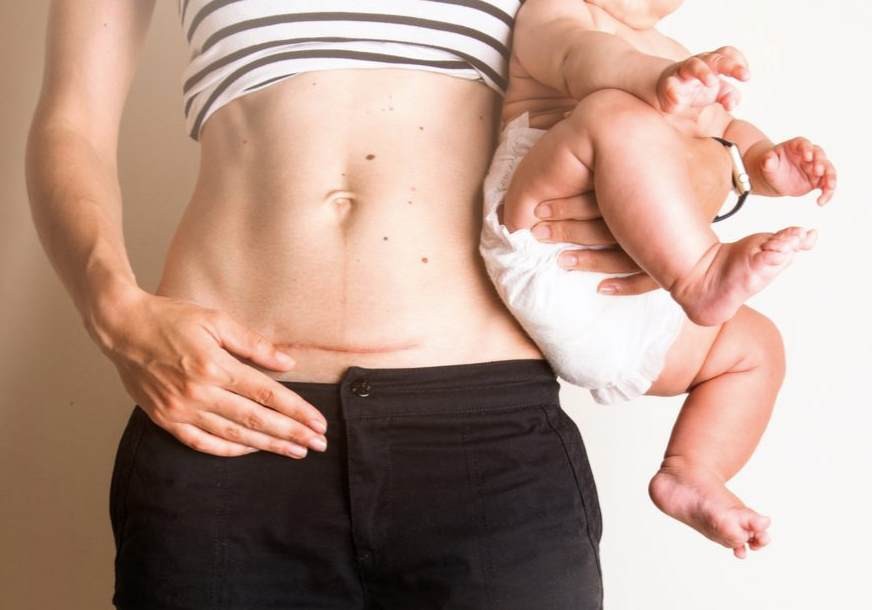
Children born by cesarean section can make up for a lower quantity of beneficial bifidobacteria. ČTK was informed of this by one member of the research team, Vojtěch Rada from the Department of Microbiology, Nutrition and Dietetics of the Faculty of Agrobiology, Food and Natural Resources at CULS.
Scientific studies report that bifidobacteria make up 90 percent of the bacterial population in children born vaginally.
In the case of infants who were born by cesarean section, E.coli, Clostridium and gram-negative bacteria become dominant. A limited amount of bifidobacteria can then represent various health complications for the infant.
Research on cesarean section
The research by scientists from CULS and Motol clarified that infants born by cesarean section can quickly make up the deficit. “We found that infants born by cesarean section, if they have at least a minimal amount of bifidobacteria in their digestive tract and are also breastfed with mother’s milk, develop exactly the same as other infants,” said microbiologist Rada. The task of his team at CULS was to microbiologically analyze samples provided by pediatricians from Motol.
In relation to intestinal microorganisms, scientists from the Department of Microbiology, Nutrition and Dietetics are also studying the influence of breast milk on their composition. “It turns out that it is more complicated than it might seem,” Rada noted. While breast milk benefits some bacteria, it suppresses others.