
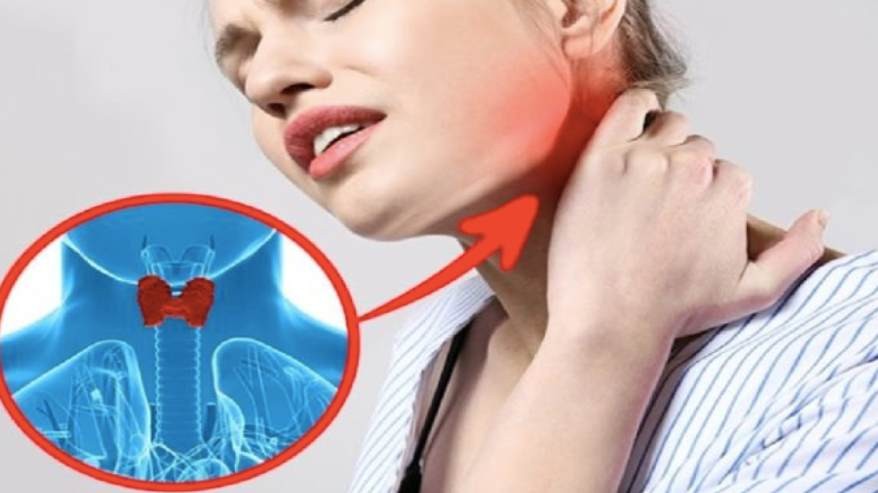
Article content
Change in weight
A sudden change in weight, even if you haven’t radically changed your diet, is a major indicator. Watch your body. Is it hyperthyroidism that is causing sudden weight loss, or weight gain.
An overactive thyroid requires the body to take in more calories; this can increase appetite and so the patient may gain weight instead of losing it quickly. If this increased caloric intake is not brought back into balance, weight loss may occur. Hypothyroidism causes weight gain.
Change in hair
Hyperthyroidism causes hair to become brittle. Hypothyroidism, on the other hand, causes hair loss and thinning.
Sensitivity to heat

People with hyperthyroidism overheat easily and begin to sweat excessively and easily. People with hypothyroidism get cold easily.
Change in skin
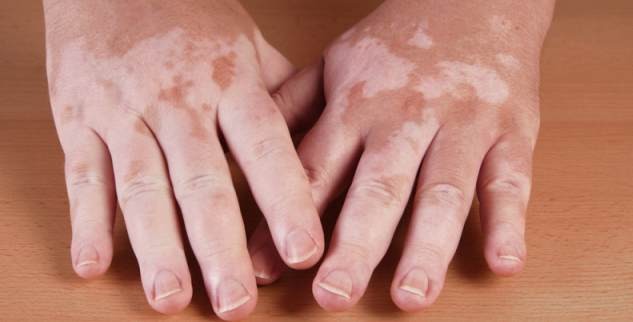
If you suffer from hyperthyroidism, your skin becomes thinner and is easily damaged, while people with hypothyroidism have problems with dry skin, but their skin does not thin.
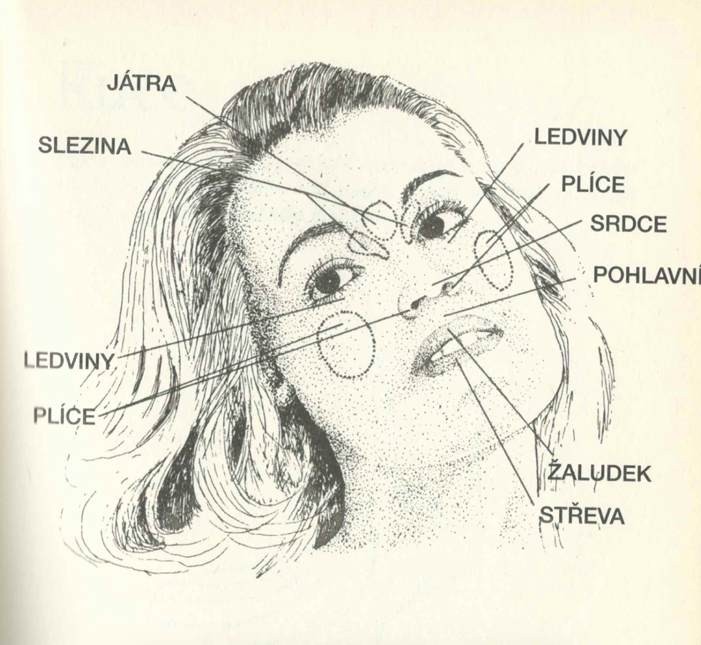
Diagnosis by the skin
Muscles
Muscle weakness is a typical symptom in hyperthyroid patients. Hypothyroid patients, on the other hand, suffer from muscle cramps, pain, stiffness, and even swelling.
Bowel problems

If you have hyperthyroidism, you may have noticed that you need to have bowel movements more often. On the other hand, people with hypothyroidism have problems with constipation.
Heart rate
Hyperthyroidism increases heart rate and causes palpitations. Hypothyroidism, on the other hand, slows the heart rate.
Mood changes
If you have feelings of anxiety, nervousness, or get easily upset, it may be hyperthyroidism. Hypothyroidism, on the other hand, is responsible for feelings of depression and irritability.
Irregular menstruation
Both hyperthyroidism and hypothyroidism can throw the menstrual cycle off balance.
Swollen neck / throat
Hyperthyroidism can manifest as swelling in the neck.
Memory problems
If you have trouble remembering various things, it may be hypothyroidism — people with hyperthyroidism generally do not have such problems.
If you suspect one of these disorders, visit a doctor and request a blood test; that way the doctor can recommend the best treatment for you.


