Article content
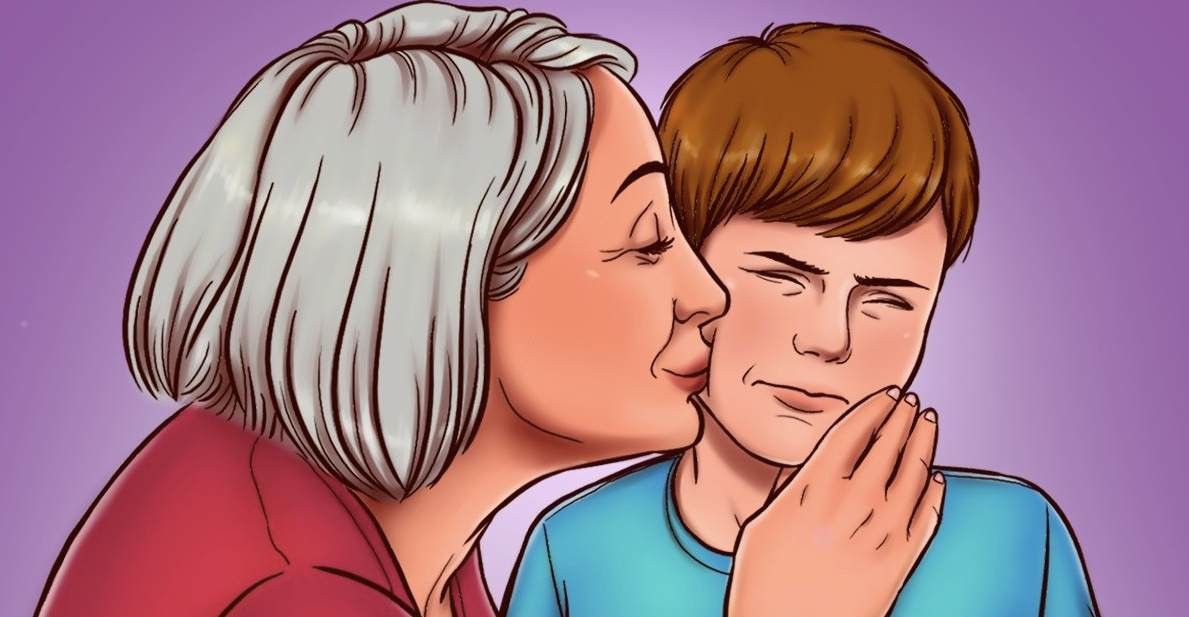
According to this study , only 1 in 3 people understand what the term “consent” (agreement) means. So it is already time to start teaching children what it means from an early age. Many parents have such a “silly habit” of forcing their children to kiss or hug a relative. Although it may seem to them like an innocent gesture, in reality it is not. Such behavior has fundamental psychological consequences for your children.
In this article we present 5 things that confirm why such behavior is wrong.
1 Children will begin to think that touches from adults are normal
Children do not learn only from their parents but also from what they see around them. When you allow unknown relatives to hug them and give them a kiss on the cheek every time they meet, they will begin to normalize such “practices” . Therefore you must place great emphasis on teaching your children the difference between a “good” and a “bad” touch.

2 You show them that you don’t care about their comfort
Showing affection to distant family at family gatherings or other occasions is common, but keep in mind that your child is not yet used to it. Moreover, if your child refuses to hug their aunt or uncle and you force them to, they will begin to think that you put the comfort of strangers ahead of their own comfort .

3 You teach them that relatives cannot be abusers
According to this report, in up to 70% of cases children are abused by their family members. By forcing them to accept hugs or kisses from people they barely know, you give them room to think that forced affection is nothing wrong and that relatives can never be abusers.

4 It confuses them — should they trust strangers or not?
One moment you tell your child not to talk to strangers and to never take anything from them. On the other hand you also ask them to kiss or hug someone they don’t know. Sure, relatives and family are not actually strangers but children do not know that. Such behavior confuses children and leaves them with a “bug in their head” about whether they should trust someone or not.

5 If children refuse to show affection, there may be a reason
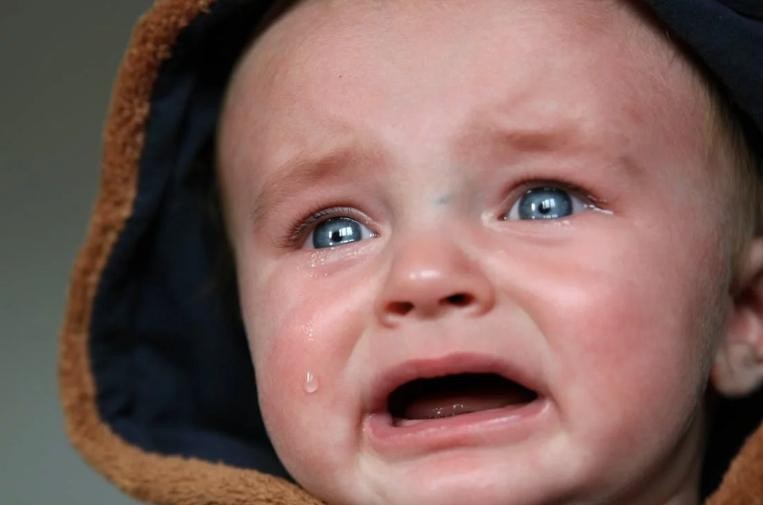
It is said that children have a better sense for distinguishing the bad from the good. If your child refuses to put themselves in someone’s arms and sometimes starts crying when that person touches them, there may be something behind it . For toddlers and younger children the reason may be what that relative said or did to them. Instead of forcing your child into something, wait until the visitor leaves and ask why they didn’t want to hug or kiss that relative.