
Article content
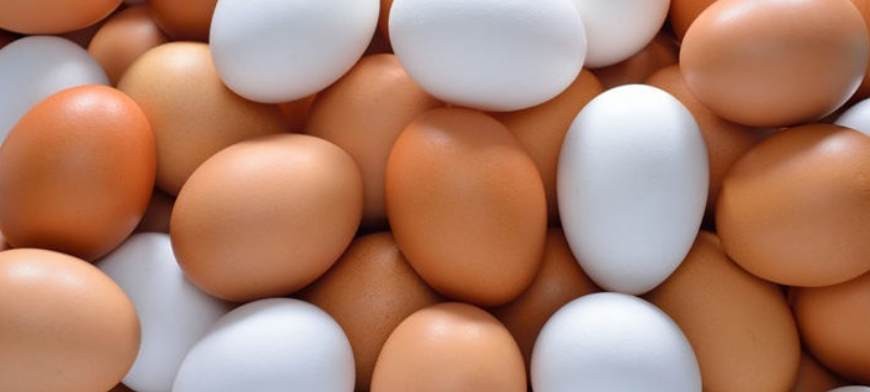
Some people say that brown eggs are better for us because they contain more nutrients.
Others are convinced that they are better for cooking, because they make dishes fluffier, while white eggs are better for baking cakes. Then there are those who believe the exact opposite.
What is the real difference between brown and white eggs?
However, the quality of the shell depends on the age of the hen, diet and breed. And that applies regardless of color, whether the egg is light or dark.
The only difference between eggs you might observe is that dark eggs tend to be more expensive. This is not because they are more organic, but because they are usually a bit larger than white eggs, since they come from larger hens.
If, however, you liked one egg more than the other, it doesn’t have to be just an illusion. The overall taste and quality of eggs are influenced by the hen’s diet and, to some extent, by the breed and the type of farming they come from. Feed also affects the color of the yolk. The more carotene it contains, the more intense the yolk’s color. It has nothing to do with quality, as some think. But it’s clear that if you get a spring and completely fresh egg from a neighbor in the countryside from a hen that runs around the yard and eats green grass, you’ll probably like it more.
When it comes to egg color, it varies depending on what kind of farm the hens came from. Generally, light-colored hens lay white eggs, while the dark or brown ones lay dark eggs. Besides that, there are breeds that can lay blue eggs or speckled ones.
There is therefore no reason to claim that one egg is healthier than another. Color has nothing to do with quality. Perhaps only the color of the hen itself. According to breeders, the darker ones live longer, and logically over their lifetime they lay more eggs, which is why there are more of them. But in terms of taste or nutritional value, there is no difference.
If it floats, it’s spoiled
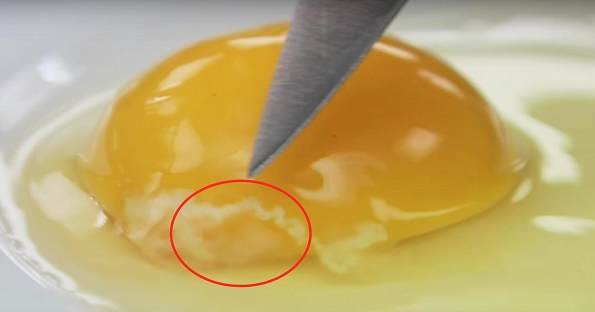
Regardless of color, always check before processing an egg whether it is fresh or not. Therefore, break it into a plate first. If the yolk does not spread and holds firmly together, and the white around it forms another ring, it’s fine and you can use it without worry. If the yolk spreads, the egg is not necessarily spoiled, but it is not very suitable for preparing, for example, scrambled eggs or mayonnaise. It is therefore a matter of judgment whether you’d rather use it in dough.


