
Article content
What if I told you that some plants could detoxify your blood, lymphatic system and skin? Would you be interested? If so, you should know about burdock root.
Burdock root has been valued for thousands of years on every continent for its ability to purify the blood and reduce internal heat. Taken internally or applied externally, it has strong anti-inflammatory and antibacterial effects on the human body.
Recent studies also prove that burdock contains phenolic acids, quercetin and luteolin, all potent, health-promoting antioxidants.
You can prepare burdock root tea similar to dandelion tea, and it is also available as a dietary supplement or eaten as a vegetable. How does it taste?
Burdock has a pleasant, crunchy texture and an earthy, sweet taste, similar to lotus root or celery.
Read on and find out how truly amazing burdock is, including its medicinal uses to treat serious chronic diseases such as cancer and diabetes!
What is burdock root?
Burdock root (genus Arctium) is a genus of biennial plants in the family Asteraceae, native to northern Asia and Europe, but it now grows nearly everywhere as a weed.
In Japan it is often called gobo root and is cultivated as a vegetable.
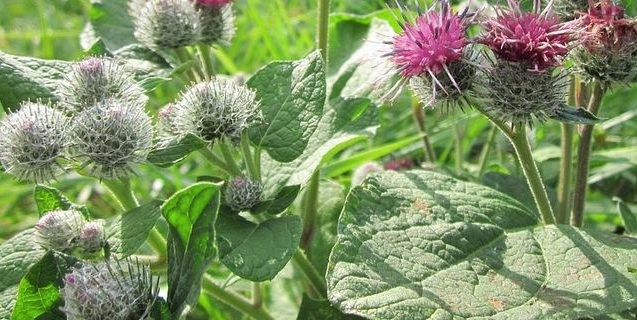
Burdock has large heart-shaped leaves and pale-red to purple flowers resembling thistles. It also has prickly fruits that can cling to clothing or animal fur.
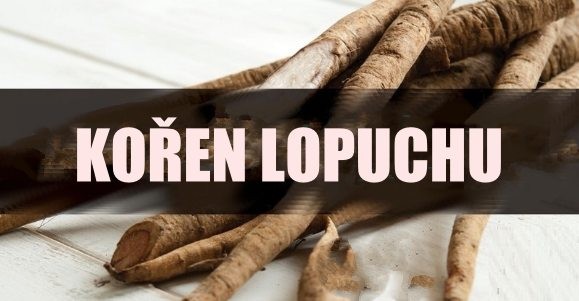
The deep roots of burdock are externally brownish-green or nearly black.
Burdock is a slender root vegetable with a brown skin that typically grows to more than sixty centimeters in height. It contains mainly carbohydrates, volatile oils, plant sterols, tannins and fatty acids.
Burdock root has been used in Asia and Europe for thousands of years. In Japan it is a widely consumed vegetable, usually eaten fresh, cooked, and young leaves can be cooked like any other vegetable.
In traditional Chinese medicine the burdock fruit has been used continuously for millennia. It is usually associated with the lung and stomach meridians and is known to reduce internal heat and is commonly used to support skin health.
In European folk medicine an infusion of the seeds was often used as a diuretic to support digestion and elimination.
Health benefits of burdock
The benefits of burdock root are extensive and certainly impressive. Here are some of the best ways it can significantly improve your health.
1. Blood purification
In traditional herbal texts burdock root is described as a “blood purifier” or “blood-cleansing agent,” believed to rid the bloodstream of toxins.
Burdock root has active ingredients found to detoxify blood from heavy metals, improving the health of organs and the whole body. It also promotes circulation to the skin surface, which enhances skin health.
2. Strengthens the lymphatic system
The lymphatic system is essentially the body’s internal “sewer system,” a network of blood vessels and lymph nodes that leads fluids from body tissues to the blood and back again.
If you can strengthen your lymphatic system, you can help your body fend off all sorts of illnesses and serious health problems.
Burdock root helps induce lymphatic flow and detoxification. As a natural blood purifier it also has an amazing effect on the lymphatic system.
3. Natural diuretic
Diuretics stimulate the kidneys and help the body get rid of excess fluid, particularly water and sodium.
Burdock root is a natural diuretic, so consuming it can naturally and easily help your body eliminate excess water by increasing urine output.
By increasing urination, burdock root can help remove waste from the blood and the body.
If you have a problem with fluid retention, you might ask your doctor to try burdock root before turning to prescription medications.
4. Heals the skin
Topical products containing burdock root have for ages provided relief from troublesome skin problems. Burdock root is known to soothe and treat common skin conditions such as acne, eczema and psoriasis.
Many people have also found that consuming burdock helped with skin issues, thanks to its ability to cleanse the blood and cool from the inside.
Scientific studies have even shown that burdock extract can improve clinical signs of aging skin!
One 2008 study proved that topical treatment with a natural burdock extract significantly improved dermal extracellular matrix metabolism and led to a visible reduction in wrinkles.
And so there is reason to expect that burdock root will be increasingly used in skincare products, especially for aging and dry skin.
6. Fights cancer
European physicians in the Middle Ages and later used burdock to treat cancerous tumors (as well as skin conditions, venereal diseases and urinary bladder and kidney troubles).
Many today’s herbalists claim that burdock root can prevent cancer cells from metastasizing, making it a potential natural cancer remedy.
Animal studies on breast, colon and pancreatic cancers have already shown promise in burdock’s anti-cancer capabilities.
One major reason burdock appears promising in natural cancer treatment is that it contains arctigenin.
Arctigenin is a lignan found in certain plants of the Asteraceae family, including greater burdock (Arctium lappa L.), which has been shown to fight cancer cells by selectively halting their proliferation and suppressing the production of certain proteins (NPAT proteins), thereby crippling the cancer’s ability to multiply.
Another study found that arctigenin was the specific phytochemical that killed human lung, liver and stomach cancer cells.
Similar studies like these support what many have believed for years — that burdock root is a very effective natural cancer remedy!
7. Improves arthritis
Burdock root is known for its strong anti-inflammatory abilities and may be an important dietary component for arthritis.
A study published in the International Journal of Rheumatic Diseases showed that burdock root tea improves inflammatory status and oxidative stress in patients with knee osteoarthritis, also known as degenerative joint disease.
Subjects were given three cups of burdock root tea daily for forty-two days, and then assessed for inflammatory markers such as high-sensitivity C-reactive protein (hs-CRP).
Results showed that burdock root tea can significantly help people suffering from osteoarthritis by reducing levels of inflammatory markers.
8. Helps treat an enlarged spleen
If you suffer from an enlarged spleen, burdock root may help you. The spleen is a very important “guardian” organ we rely on to protect the body from infections, viruses and all kinds of dangerous pathogens.
An enlarged spleen is a clear warning sign that the immune system is straining to remove threats from the body but is failing because it cannot meet the high demand.
Your spleen is in constant contact with your blood, so when burdock root cleanses the blood it also cleanses and protects the spleen. It can help the spleen by improving blood quality, as well as liver health, circulation and by suppressing inflammation.
Improvement in these four factors has a direct positive effect on spleen health, so you’ll definitely want to include burdock root in your regimen for spleen treatment.
9. Suppresses tonsillitis
Burdock root can help get rid of painful tonsillitis (acute inflammation of the tonsils).
Acute tonsillitis is a type of inflammatory condition in which the tissues of the tonsils become infected with harmful bacteria.
Burdock root can help in tonsillitis by improving wound healing, suppressing inflammation and helping relieve cough, sore throat and pain.
Burdock root versus dandelion root
What exactly does burdock root do compared to dandelion root?
Both plants are members of the Asteraceae family and have been used for years across both traditional and modern treatments.
Both burdock and dandelion root are great for treating diabetes and skin conditions. They are also natural diuretics full of antioxidants.
Dandelion is particularly excellent for liver cleansing and bone protection, while burdock is amazing for blood purification, which also makes it very beneficial for liver health.
Burdock is also beneficial for bones, especially in osteoarthritis.
Dandelion contains a lot of fiber as well as vitamins A, C, and K, while burdock, in addition to similarly high fiber, contains vitamin B6, potassium and magnesium.
Nutritional facts
In nutritional terms one cup of burdock root contains approximately the following nutrients.
- 85 calories
- 20.5 g carbohydrates
- 1.8 g protein
- 0.2 g fat
- 3.9 g dietary fiber
- 0.3 mg vitamin B6 (14 percent of the recommended daily allowance)
- 0.3 mg manganese (14 percent of the recommended daily allowance)
- 44.8 mg magnesium (11 percent of the recommended daily allowance)
- 363 mg potassium (10 percent of the recommended daily allowance)
- 27.1 micrograms folate (7 percent of the recommended daily allowance)
- 3.5 mg vitamin C (6 percent of the recommended daily allowance)
- 60.2 mg phosphorus (6 percent of the recommended daily allowance)
- 48.4 mg calcium (5 percent of the recommended daily allowance)
- 0.9 mg iron (5 percent of the recommended daily allowance)
- 0.1 mg copper (5 percent of the recommended daily allowance)
Interesting facts
Would you believe that the inspiration for Velcro actually came from the prickly hooks of the burdock fruit?
The inventor, Swiss engineer Georges de Mestral, went for a walk in the woods in 1941 and wondered whether the little balls stuck to his pants and his dog could be turned into something useful.
After almost eight years of research de Mestral successfully mimicked the natural fastener with two strips of fabric, one with thousands of tiny hooks and the other with thousands of tiny loops.
He named his invention Velcro and patented it in 1955.
Burdock root has been used for centuries as a medicinal plant to support healthy hair, relieve an itchy scalp and improve its condition.
In Europe burdock root oil, also known as burdock oil, is commonly used to treat the scalp, help with hair loss and get rid of lice.
The idea is that all the nutrients that help your skin, blood and organs could also improve the health of your hair and scalp.
How to use
Products made from burdock root include fresh or dried root of the burdock plant. Fresh burdock root can often be found in health food stores and Asian specialty shops.
You can buy fresh burdock root and add it to stir-fries or salads. You can also peel, slice and eat it raw with a little sea salt, or put it into a brine.
You should always clean burdock root well and if you don’t like the skin it can be peeled like a carrot. Cleaned dry roots stored in a cool, well-ventilated space can stay fresh for several months.
Processed pieces or cuttings should be stored in the refrigerator and used as soon as possible.
Burdock dietary supplements in various forms can be purchased online or at your local health food store.
Options include oil, dried powder, tincture and burdock root tea. Typical dosing is one to two grams of dried burdock root three times a day.
Some people seek root obtained from wild-growing burdock, but that is not without risk. Toxins can accumulate in burdock roots, so you must be absolutely sure you are harvesting far from road edges, industrial areas and lands treated with pesticides.
If you collect burdock root yourself, you must be one hundred percent certain of correctly identifying your burdock species. People sometimes confuse burdock with foxglove, which is highly poisonous.
It is a dangerous mistake that is easy to make, so your safest option is to buy fresh burdock root in a store.


