Article content
The start of the COVID-19 epidemic is dated to December 31, 2019, when the first cases were reported in the Chinese city of Wuhan in Hubei province. The virus spread very quickly and soon reached beyond China.
The disease first appeared as an unknown viral pneumonia.
Coronavirus is a simplified designation for the virus that was given the name SARS-CoV-2 or 2019-nCoV. It causes the disease that doctors call COVID-19.
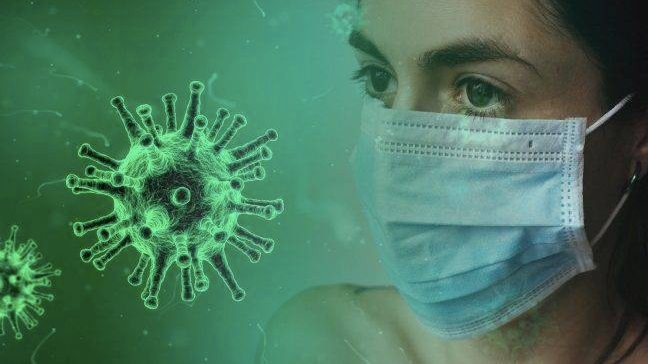
It is called coronavirus because it has a shape that looks like a solar corona – such viruses are a whole group and this group includes, for example, SARS or HIV. It most likely transferred to humans from a wild animal, although the source of the infection was not identified at the site of the first outbreak, i.e. in China, specifically in Wuhan.
During the following two months more than 87 thousand people fell ill worldwide and three thousand died. Unfortunately, the same steep rise continued and after another week the number of infected had climbed above 100 thousand. Currently this number is approaching 160 thousand and the dead are over 5,800.
How is COVID-19 recognized?
COVID-19 is a highly contagious disease that is mainly recognized by fever, respiratory problems – cough and shortness of breath, muscle pains and fatigue. Most patients fortunately have a milder course of the illness, but especially the elderly and chronically ill are at risk of life-threatening disease.
The incubation period ranges between 6 and 14 days. Transmission of the disease occurs by contact with an infected person or by droplets released when speaking, sneezing or coughing, but you can also become infected by transmission from objects that an infected person touched.
What is good to know about COVID-19
Mode of transmission: by droplets when sneezing and coughing and by physical contact; it has not yet been proven whether this virus is transmitted through the air, so it is recommended to keep a sufficient distance.
Clinical symptoms: similar to those of influenza, high temperature (but up to 20% of patients have a temperature lower than 38 ° C), fatigue, shortness of breath, cough.
Incubation period: reported to be up to 14 days, with a person being most contagious in the early stages of the disease.
Most vulnerable groups: older people and people with weakened immune systems.
Mortality (the proportion of deaths among all infected): various sources report between 2% and 3%, but it depends greatly on age – for people aged 70 to 79 it is reported at 4% and above 80 years it is so far over 8%. In contrast, for people under 50 years the mortality is significantly below 1%. For example, in South Korea the current mortality is 0.8%, in Germany 0.15%. However, these figures are difficult to determine and different sources currently differ in their values.
Treatment: there is no vaccine or drug for the disease, vaccines are in development – patients receive supportive treatment, symptoms are treated.
How to protect yourself from infection?
It is similar to other viral diseases, including influenza. Let’s summarize the measures in bullet points:
- Avoid places where larger numbers of people gather.
- Wear masks outdoors or cover your face
- Do not put your hands in front of your mouth when coughing, do not sneeze into your palms.
- In general, increased hand hygiene is important! Wash them whenever you touch potentially infected surfaces, after traveling on public transport, but ideally also after blowing your nose or coughing. When holding on to rails in the metro and public transport, use your forearm rather than your hands.
- Do not touch your face and eyes with unwashed hands, do not eat without first washing your hands – parents should also be careful and avoid touching children’s faces outdoors or handing them food.
- Carry a disinfectant gel and wipes with which you can wipe, for example, ATM buttons or an elevator control.
- In shops do not use baskets or trolleys. Put your purchases directly into bags. If possible, pay by card and avoid contact with banknotes and coins.
- Do not borrow anyone’s mobile phone.
- Do not shake hands, do not hug people.
- Ensure sufficient antioxidants (vitamin C, fruits and vegetables).

How to react if I have symptoms
IF you have symptoms corresponding to a coronavirus infection, consult a doctor by phone. Essentially, however, treat the symptoms, that is reduce high fever if you have it, and take medications that improve breathing.
Use separate towels and laundry.
Isolate yourself from others even at home, stay in one room, increase hygiene and disinfect things that the infected person touched. Definitely do not go anywhere and call your doctor or the relevant hygiene station.