
Article content
Coronavirus is transmitted from person to person through close contact. It is the so-called droplet infection. The incubation period is one to two weeks. It most often affects the upper and lower respiratory tracts.
One week after infection the disease appears: fever that does not subside (MAY also include muscle and joint pain, cough).
It is definitely not true that everyone who has a fever and respiratory problems suffers from a coronavirus infection! If you have concerns about your health related to the new coronavirus, contact your registering doctor or the emergency medical service by phone, where they will provide information about the further procedure.
Coronavirus
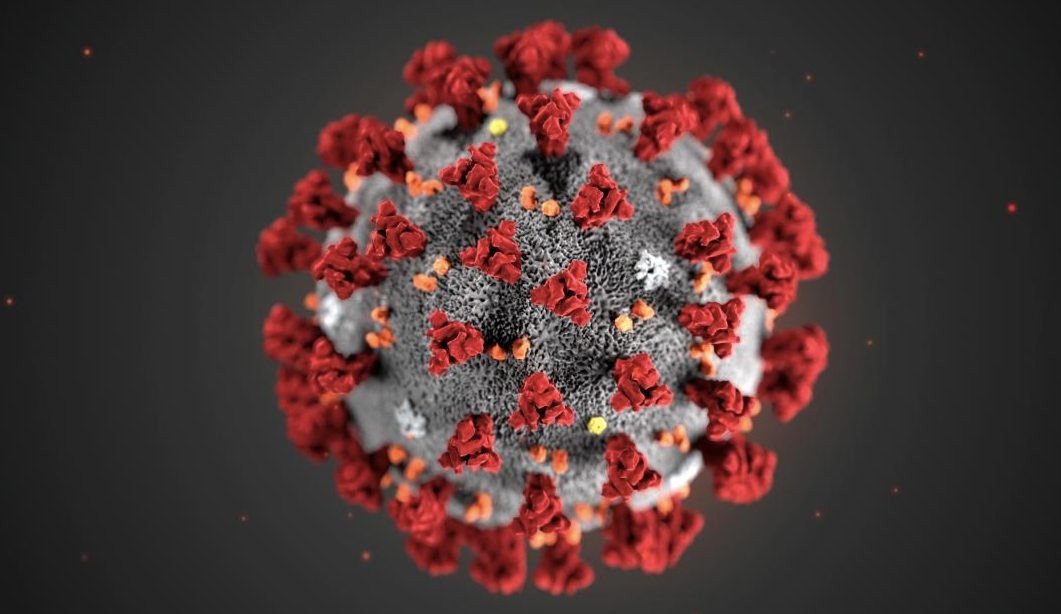
It refers to any virus belonging to the subfamily Coronaviridae. It is a collective term for four families of viruses that cause diseases in animals and humans with varying degrees of severity. In humans some types of the virus cause common illnesses (cough, fever, respiratory problems), but also more serious diseases (SARS, MERS). The name is derived from the arrangement of the surface structures of the virus’s lipid envelope in the shape of a solar corona. The new type of coronavirus – SARS-CoV-2 – appeared for the first time in December 2019.
Scientists have so far been able to describe its genetic structure and a number of specialist workplaces around the world are now working on its research. The disease caused by this coronavirus has been designated COVID-19.
The main risk groups include mainly seniors, children, the chronically ill or people with weakened immune systems.
How to reduce the risk of coronavirus infection
- wash your hands with soap or use an alcohol-based antibacterial gel
- when coughing and sneezing cover your nose and mouth, preferably with a disposable tissue
- avoid close contact with people who have symptoms of a cold or flu
- ensure proper cooking of meat and eggs
- when in contact with wild or farm animals use protective equipment