
Article content
Fat long suffered from a bad reputation and a long-standing association with poor health and disease.
However, one study clarifies what happens to your body – particularly to cardiometabolic factors in people with overweight or obesity – when you replace breakfast carbohydrates with energy from fat-rich avocado.
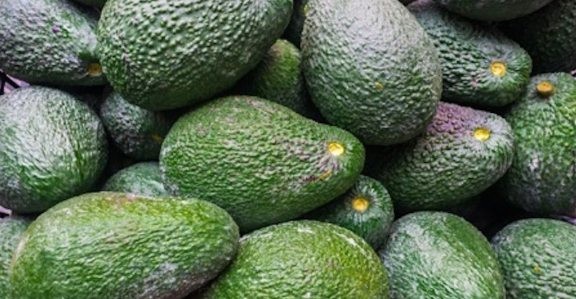
In the world of dietary fat marred by a bad reputation, avocado emerges as a positive hero: it is packed with beneficial fats that keep you feeling full and more satiated.
The U.S. Department of Agriculture’s National Nutrient Database states that one serving of avocado – approximately 40 grams (g) – contains nearly 6 g of fat, less than 1 g of sugar, almost 3 g of fiber and 3.4 g of carbohydrates.
This unusual fruit has an impressive nutritional profile, consisting of monounsaturated fatty acids (MUFA), polyunsaturated fatty acids (PUFA), dietary fiber, folate and potassium, as well as essential micronutrients and phytochemicals.
In the context of a standard Western diet, it has been shown that consuming avocado can favorably affect your body’s glucose and insulin response.
A team of scientists set out to find out what happens when you replace carbohydrate energy in your breakfast with energy from avocado, as suggested by cardiometabolic effects.
Incorporating avocado into breakfast
It is consistently shown that a typical Western meal, with its high carbohydrate and unhealthy fat content, influences cardiometabolic markers and also changes the body’s insulin sensitivity.
For the randomized trial adults with overweight or obesity aged 25 to 60 with elevated levels of glucose and insulin were recruited. [V] The subjects had no history of cardiovascular, respiratory, kidney, gastrointestinal or blood disease.
Participants were divided into three groups: those who ate, on three occasions at breakfast, a meal containing either half a fresh Hass avocado, those who ate a whole fresh Hass avocado, and those who consumed energy-matched meals without avocado.
According to the scientists, the results demonstrated reduced peak concentrations of glucose and insulin, as well as increased vasorelaxation, i.e., relaxation of vascular tension, when the meal contained half or a whole avocado.
It is known that oxidative stress and inflammation also respond rapidly to food, particularly in diets high in carbohydrates or high in fat.
The study did not find a difference in biomarkers in these two areas, which might be because further studies of dietary intake are needed.
The scientists concluded that “incorporating fresh avocados into meals may help people meet dietary recommendations to consume more fruit and vegetables … and potentially have important cardiometabolic benefits that would be worth investigating further.”
A previous study found that in subjects consuming avocado there was no post-meal increase in triglyceride levels despite the added fat, whereas triglycerides increased in a separate group that ate hamburgers.
According to the researchers, therefore, consuming avocado along with a hamburger may have anti-inflammatory benefits and benefits for vascular health.
Little-known truth about fats
Fats were for decades widely and wrongly demonized.
One reason may be the unhealthy ratio of omega-6 to omega-3 fatty acids in many processed foods, because deviation from the ideal ratio of 1:1 to 4:1 omega-6 to omega-3 fatty acids can contribute to inflammation.
Peanut oil, for example, contains several thousand times more omega-6 than omega-3 fatty acids!
However, even when the types and ratios of fats are generally acceptable, they can still undergo lipid peroxidation, going rancid during cooking, for example when grilling or frying, or even in the stomach during digestion.
Frankly, however, healthy fat is very important for every single cell of your body. Consuming healthy fats supports various bodily processes, ranging from skin health to nutrient absorption. It even helps strengthen your immune system.
Conclusion
With its exceptionally high content of good fats, avocado certainly stands out and proves to be a wise addition to your everyday meals.
Talking about its fat content, however, only scratches the surface of its amazing benefits, because it can provide protection against some of the most severe degenerative diseases known to humanity today, such as heart disease, arthritis, diabetes and cancer.


