Article content
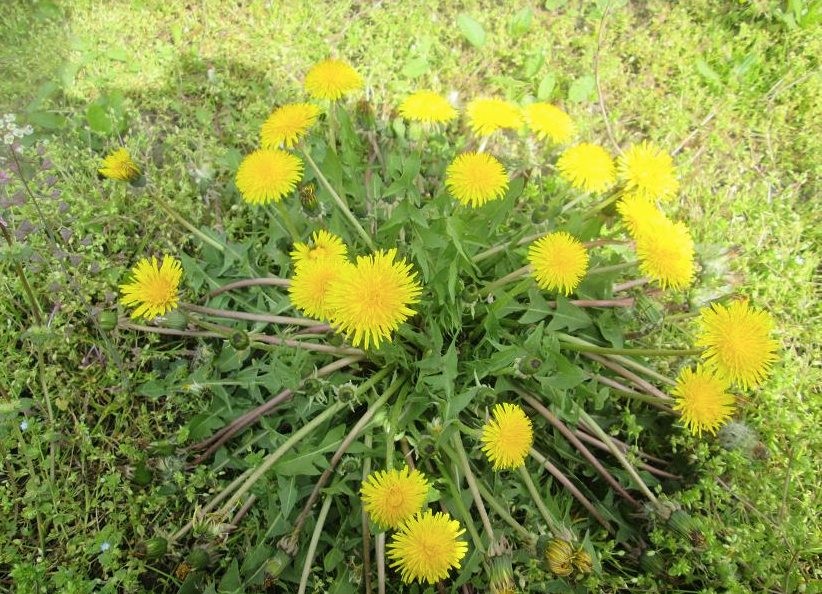
Everyone surely knows the little yellow suns shining brightly from April, growing almost everywhere. This well-known plant evokes childhood times in many of us. Do you remember the girls’ heads charmingly adorned with dandelion wreaths?
Dandelion is a nightmare for some, a medicinal plant for others.
With its effects it has won many loyal fans. The dandelion is medicinal throughout and people have devised various recipes since time immemorial to use its beneficial effects. It is ideal for making syrups, honey, various tea blends and tinctures. It also finds use in the kitchen. Prepare a healthy spring salad and add a few chopped dandelion leaves. A refreshing smoothie drink with dandelion has its charm and great effects!
What nutrients dandelion contains
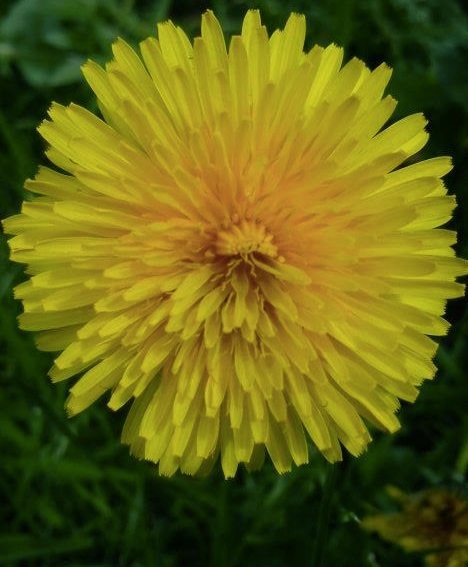
What should lead you to eat the leaves of this “weed”? It is low in calories and literally packed with vitamins and other nutrients important for health. Dandelion leaves contain lutein and zeaxanthin — protective carotenoids beneficial for eyesight.
They also contain vitamin A, which is equally important for vision but not only for it. It supports the growth of new blood cells. Vitamin K regulates blood clotting and maintains healthy bones.
Dandelion leaves contain vitamin C and calcium. From minerals: copper, manganese and potassium.
Dandelion for health, which illnesses it helps treat:
- liver and gallbladder diseases
- pancreas problems
- helps cleanse the intestines, kidneys and the whole body
- removes dangerous toxins from the blood
- improves digestion, cleans the stomach, improves appetite
- helps with stomach acidity
- fatigue and overall weakness, provides energy
- urinary tract problems
- dissolves gallstones
- improves skin condition with acne, rashes
- and also helps with rheumatism and diabetes.
Recipe for dandelion honey
There are many recipes for dandelion honey on the internet, so I decided to share one recipe with you as well.
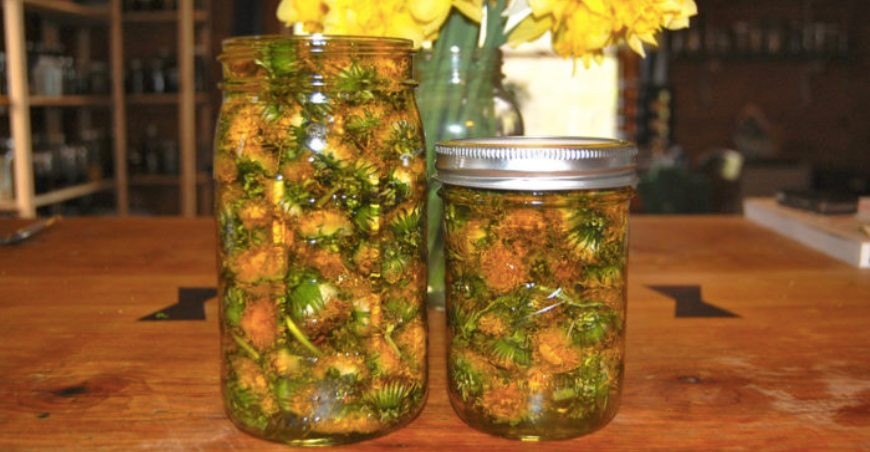
First we pick about 400 dandelion flowers, wash them thoroughly, put them in a pot and pour about one liter of water over them.
Wash the lemon with its peel well under running water and slice it into rounds. Wash half an orange well under running water, slice it into rounds and add it together with the lemon to the water with the dandelions. Bring to a boil and after the water comes to a boil let it simmer for about a quarter of an hour. The next day strain this mixture through a cloth and press out as much liquid as possible from the flowers and fruit. Then sweeten with sugar (amount to taste; if you like it sweet, add more sugar) and simmer until the desired thickness (the longer you cook, the thicker the mixture will be). Finally pour the honey into preserving jars and close them. Do not sterilize.
In my opinion dandelions should not only decorate gardens or meadows, but we should use this gift of nature for our health so that we feel better and healthier. Whether we prepare a great salad, make honey, or brew tea… There are many ways to use this medicinal plant.
What we can make from dandelion?
1. Use of dandelion in the kitchen
Dandelion leaves contain substances suitable for the regeneration of the liver and pancreas and their direct consumption is the quickest and simplest form of treatment. In the kitchen we can add them to vegetable salads, smoothies, savory rolls and scrambled dishes.
2. Use of dandelion in the home medicine cabinet
Decoction from the root: An excellent medicinal remedy for the treatment of rheumatism and psoriasis.
Syrup / honey: From the flowers for treating the respiratory tract.
Tea from leaves and root: Promotes urination in bladder inflammation, is suitable for fluid retention in the body and high blood pressure.
Fresh juice: Works as a strong version of tea; we can freeze it for winter or add it to healthy cocktails.
Tincture: From the leaves and root supports bile production, dissolves gallstones and is a mild laxative.
Did you read the article to the end? Were you interested? Then you can reward the editor’s work by liking or sharing the article on Facebook — thank you.
Warning: This article is for informational purposes only and is a translation from foreign websites. It does not replace medical treatment, examination by a doctor, or consultation with another healthcare professional. Posts may contain information that does not align with the views of the editorial staff.
We declare that the authors and the website operator do not assume responsibility for any damage caused by the use of the healing methods in this article.
Although the recipes, advice or healing methods in this article are written with the best conscience of the author, their use is at your own risk and should be carried out exclusively after consultation with a doctor.