Article content
Nowadays we increasingly have to get used to the fact that not only consumer goods or electronics are imported to us from China, but more and more often also food.
However, it is worth considering why we actually import food when we ourselves have enough fields and farms to grow our own?
The answer is probably their price.
With cheap foods, however, the problem is often that their quality is low. And China also does not have a very good reputation when it comes to food safety.
Food scandals in China
You may have already heard about various scandals involving contaminated foods originating from China.
For example, the scandal of 2008, when the chemical melamine was added to powdered infant formula to give the impression of a higher protein content.
More than 300,000 children were affected at the time, 54,000 of whom had to be hospitalized and 6 children even died. Many of the survivors, however, ended up with damaged kidneys.
In today’s article we will reveal to you the 7 most risky foods produced in China that you should avoid under any circumstances.
1. Apple juice
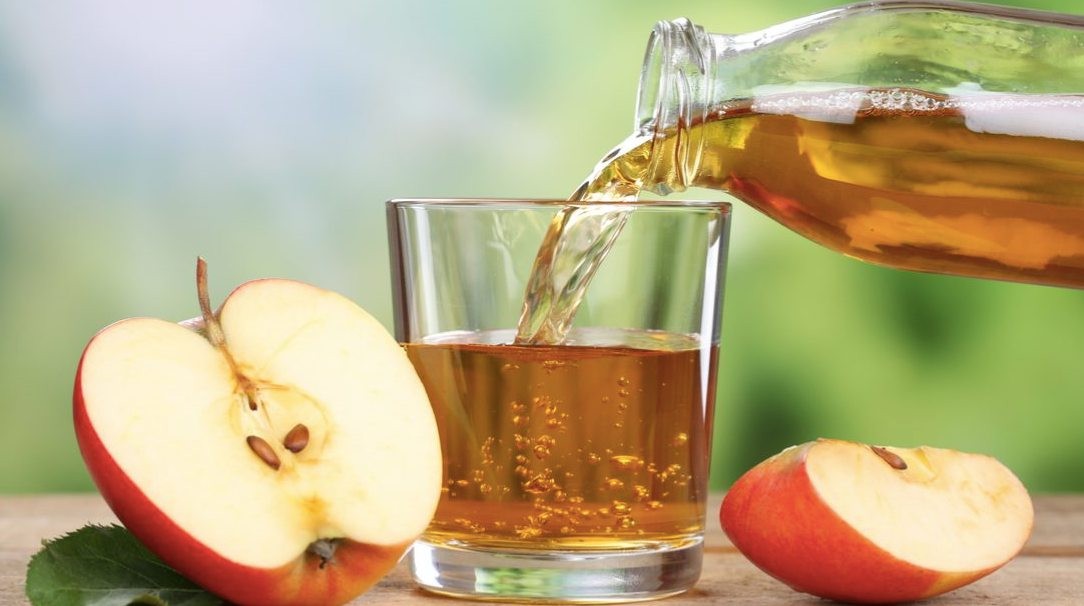
China is known for using dangerous pesticides, including banned ones, when growing fruit and vegetables.
In some Western European countries and the USA, imports from China now make up as much as 50% of the apple juice sold.
When buying it, you should also check even established brands for where the juice comes from. It may be packaged in Europe but originate in China.
2. Industrial salts
The Chinese often use salt intended for industrial purposes as a substitute for table salt.
When buying salt, therefore, be careful whether it might come from China.
Such salt often contains various impurities and chemicals from the manufacturing process that can lead to stroke, heart attack, or high blood pressure.
3. Cod
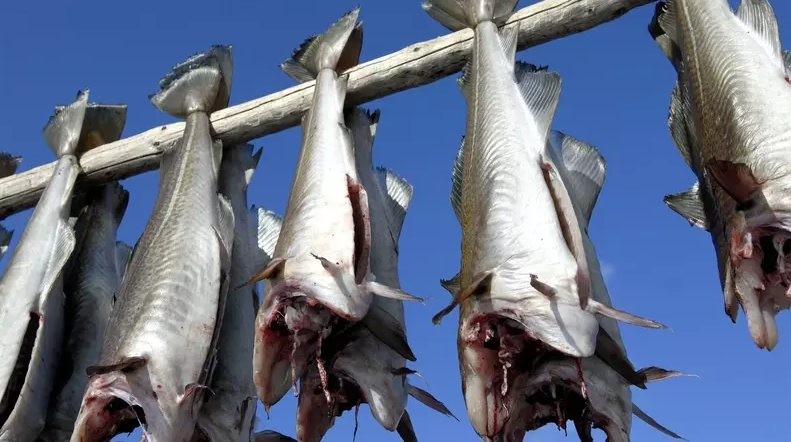
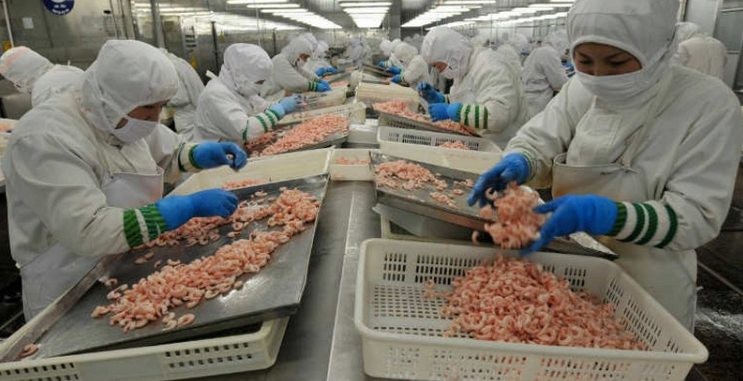
A large portion of the cod imported into Europe comes from China. You have probably already heard about problems with polluted seas around China.
Therefore, when buying either whole fish or cod products, check whether the ingredients used in their production do not come from this Asian country.
4. Chickens and chicken meat
China often has problems with avian flu and other foodborne diseases.
In 2013 Chinese chicken began to reach the West. Few, however, know in what terrible conditions the chickens are raised there and what they are being doped with.
5. Garlic
About one-third to one-half of all garlic sold in our country comes from China.
A few years ago a scandal arose around Chinese garlic because harmful chemicals are used in its cultivation and storage.
The worst of these are bleaches used to whiten garlic. Also problematic are substances aimed at killing insects and substances intended to prevent sprouting.
An example is methyl bromide, a very dangerous pesticide that damages the respiratory and central nervous systems. According to the UN it is up to 60 times more harmful than chlorine.
6. Tilapia fish
Over 80% of frozen tilapia comes from China, where they are raised in terrible conditions.
This fish, like carp, lives in mud and feeds on all the impurities found at the bottom.
If we consider how polluted rivers, ponds and lakes are in China, then consuming this fish can be not only harmful but downright dangerous.
We should pay even more attention to this issue when we realize that almost all the fish served in our school kitchens is tilapia, because it is the cheapest.
7. Plastic rice
We have already covered artificial rice from China in more detail on our site in this article.
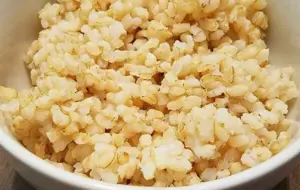
It is rice made from potatoes and other chemical substances, including plastics. You can recognize it, for example, by the fact that it remains hard even after cooking.
Conclusion
We believe that the facts presented in our article were helpful in keeping you safe.
Instead of various imported foods — and this applies not only to Chinese foods — prefer our domestic produce. They are not only healthier, but this also supports our local growers.