
Article content
According to statistics, every year in Slovakia alone around 10000 people die from heart problems. It affects both men and women and the main cause is their lifestyle.
However, there are certain warning signals that your heart will start sending you if there is a problem with its function.
It is good to know about these symptoms so you can intervene and fix the problem before a more serious disease such as a heart attack or heart failure occurs.
Today we will reveal 8 such possible symptoms that you should pay attention to.
1. Pain that radiates into the shoulder
With a poorly functioning heart, men usually feel pain in the left arm, while in women it can be either arm or both at once.
Women also report that just before a heart attack they experienced pain in the elbow.
You feel pain in the arm because nerve signals from the heart spread to the spinal cord, where nerves are often interconnected.
The brain is then confused about where the pain is actually coming from and thinks it is the arm, while in reality it is the heart.
2. A cough that doesn’t stop
A cough can have various causes.
One of them is cardiovascular disease, especially if the cough persists for a long time, or if the expectorated mucus contains blood, which is typical in heart failures.
A cough can also be a sub-symptom of a much more serious condition, dyspnea, which means sudden shortness of breath.
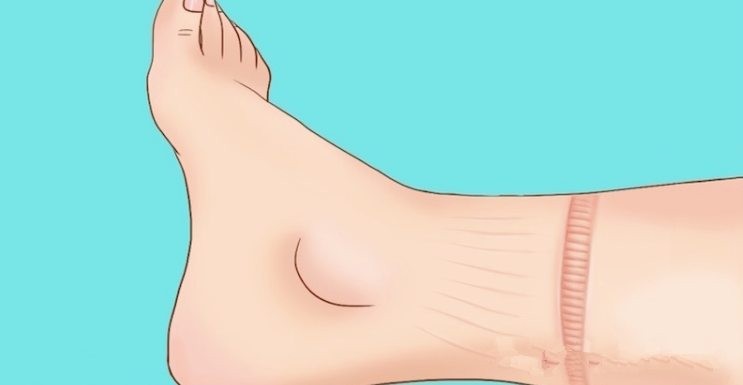
3. Swelling of the legs, ankles and feet
When your heart does not pump blood sufficiently, fluid from the blood seeps into the surrounding tissues. Usually, due to gravity, the lower limbs are most affected, where this manifests as swelling.
It is a fairly common symptom in patients with a poorly functioning heart, so you should pay close attention to swelling.
4. Loss of appetite and nausea
Many patients suffering from heart diseases are characterized by loss of appetite or nausea, even when they have eaten very little.
The reason is fluid accumulation around the liver and intestines, which prevents proper digestion. In addition, they often experience abdominal pain.
If all of these symptoms appear in you at once, you should seek medical help to be sure.
5. Extreme and unusual anxiety
Several studies have shown that people affected by extreme anxiety at a young age are more prone to heart disease.
Anxiety can be caused by a stressful lifestyle or various mental illnesses such as panic disorder or an anxiety phobia.
Among the effects of anxiety on the heart are tachycardia (unusual heart palpitations), increased blood pressure and decreased heart rate.
6. Fading consciousness or fainting
Loss of consciousness and fainting are common manifestations in patients with impaired heart function.
When the heart does not pump adequately, it may be due to a blocked artery or narrowed heart chambers.
If you experience gasping for breath or fainting in a short period of time, call a doctor immediately and have your heart checked.
7. Pale to bluish skin
Although it is not a typical sign of heart problems, if it occurs it is due to poor circulation and a reduced volume of red blood cells.
The main reason for pale to bluish skin is overcoming shock. It can appear over the whole body or only in some parts, for example on the hands, feet or face.
If you notice that you have become pale, do not panic. Make sure you have not just experienced some kind of psychological shock or that the cause is not anemia.
8. Rashes or unusual eczema on the skin
Two research projects conducted by the journals Allergy and Clinical Immunology and the Journal of the American College of Cardiology found that eczema are high-risk factors in heart disease.
People with eczema have a 48% probability of also suffering from high blood pressure and a 29% probability of high cholesterol.
In addition, patients with shingles had up to a 59% higher risk of a heart attack than people without this disease.
Conclusion
Remember that prevention is the best medicine for all illnesses.
Adhering to the principles of a healthy lifestyle, exercise, not smoking and abstinence (or only moderate alcohol consumption) play a significant role in maintaining a healthy heart.
The warning signs listed may not appear in every patient with impaired heart function, but they are the most common symptoms.


