Article content
Lilac is a flowering plant known for its abundant purple blooms and beautiful scent. In the past lilac was used to treat certain illnesses, although medical use of this flower is no longer commonly practiced today. But those who practice aromatherapy believe that the scent of lilac has a number of health benefits. Let’s look together in this article at the health benefits of lilac and lilac oil.
Effects of lilac on our health
Syringa vulgaris, commonly known as lilac, is a flowering shrub with typically purple flowers, although recently developed hybrid varieties can be white, blue or yellow. Lilac flowers are recognizable by their sweet fragrance, which is strongest when the flowers are in bloom – even though this period for lilac lasts only a few weeks.
Against parasites and malaria
In the past lilac was consumed to rid the intestines of parasitic worms, and it was also used in the treatment of malaria. In the 19th century lilac was used to treat fever as well. However, its success was so inconsistent that its use in treating fever was later abandoned. You may be surprised, but there really are a few studies that suggest lilac may help reduce fever.
For the skin
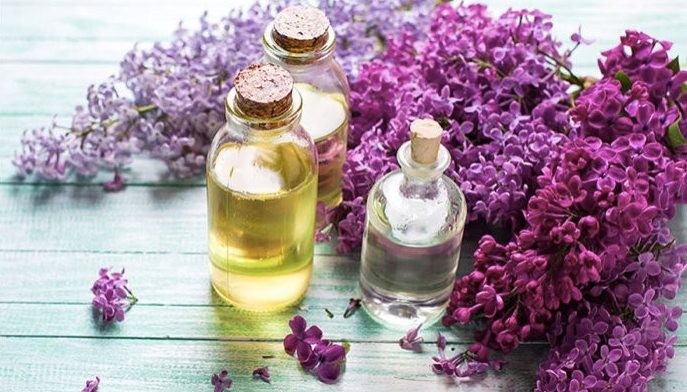
Lilac flowers have astringent and aromatic properties. Astringents tighten the skin. A cold or warm lilac infusion can therefore be used as a facial toner. Or, with the same method, it can be used for rashes, cuts and other skin problems.
Effects of lilac oil on our health
Yes, there is lilac oil. Although lilac oil is often referred to as an essential oil, it is not an essential oil in the strict sense. Lilac oil cannot be extracted by steam distillation like most essential oils, so it is really a “scented” oil. Nevertheless, lilac oil still smells wonderful and can provide some real benefits for your body and mind.
If you are not familiar with the benefits of this essential oil, you may be amazed by its properties. This oil can be used not only to treat kidney ailments, but it has also been shown to reduce fever.
Lilac essential oil is derived from the leaves of the Syringa vulgaris plant. This plant is found especially in southern Iran (formerly Persia) and Eastern Europe. This fragrant oil therefore comes mainly from the plant’s leaves. The color of the oil is light purple and it has a pleasant floral scent.
So, how can it help us?
In aromatherapy
Aromatherapy has a centuries-old history as a form of healing – for our physical and mental self. In aromatherapy, fragrant essential oils from various plants are distilled and then dispersed into the air, either by a diffuser, candle or another method. Aromatherapists believe that inhaling these oils can provide a range of therapeutic benefits. An example is the use of eucalyptus oil to relieve nasal congestion, or lemon oil to repel mosquitoes and insects. Aromatherapists therefore believe that these oils offer numerous benefits – including lilac oil.
When used in aromatherapy, the essential oil from lilac – or French lilac – is dispersed into the air. It has a calming effect that improves feelings of anxiety. Other reported effects include a cleansing, soothing feeling and it is used to support relaxation. White lilac oil is also used in aromatherapy – it is calming and soothing. The scent of white lilacs also brings feelings of sensuality. It is said to relieve symptoms of anxiety and depression.
Its calming scent brings a person into a relaxed state.
For the skin
Some modern herbalists use lilac essential oil to treat skin conditions such as various rashes, sunburns and minor cuts or scrapes. The antioxidant and stimulating properties of lilac essential oil can stimulate the healing process, especially if a person has small scratches, cuts or pressure sores. The oil not only protects an open wound from infection, but also promotes the growth of new skin cells and increases the speed of wound healing.
You can also use the oil on burns, rashes and similar inflammatory skin conditions. Before applying the oil topically make sure to dilute it first with a carrier oil.
Prevention of premature skin aging
The astringent compounds and antioxidants in lilac essential oil “work together” to improve the appearance of the skin and keep it youthful. If you have wrinkles, spots or other age-related skin problems, the oil can be used to treat the skin. Skin elasticity will also increase. Try using this fragrant oil as a skin toner.
Boosts immunity
If you have a fungal or bacterial infection you can use this oil to strengthen your immunity. Add the oil with a carrier oil to a diffuser; that will support your gastrointestinal or respiratory health.
Has antibacterial properties
The oil is known for its antibacterial properties, it cleans the air in a room and even the surfaces of furniture and walls. If you prefer to clean your home with natural cleaners, you will be happy to use this oil. Adding this oil is much better than using harsh and harmful chemicals. This oil has antiviral, antifungal, antibacterial and antiparasitic properties.
Improves properties of cosmetic products
You can also use lilac oil in homemade cosmetics. This oil is often an ingredient in homemade shampoos, perfumes and bath soaps. Thanks to its lovely scent it is also used to support healthy skin and hair.
How to use lilac essential oil
To use lilac essential oil you should either apply the oil topically to the skin (together with a carrier oil) or inhale it from the air. To use the oil topically you should always add a carrier oil. Recommended carrier oils are jojoba oil, coconut oil, grapeseed oil and olive oil (the most popular carrier oil for this use is coconut oil).
When applying this essential oil to the skin make sure the skin is clean and dry. If you use it to relieve tension, add it to a diffuser with a carrier oil. You need to make sure you are not allergic to the oil. An allergic reaction can cause a rash or breathing or sneezing problems. Using a carrier oil neutralizes the strength of the essential oil and makes it safer.
Depending on what you want to treat, you can use the oil in a diffuser or in the bath. Lilac oil mixed with a carrier oil can also be added to a cotton cloth and placed by the bed at night or used to wrap a pillow. Also add the oil to recipes for organic cleaning products to take advantage of its antiseptic and antibacterial properties.
Warning, or what to watch out for
Lilac essential oil can offer a number of benefits, but you still need to be aware of possible side effects. When used incorrectly it can trigger allergies. Be aware of some safety precautions and side effects.
Allergies
This oil is a known allergen. When you first start using the oil you must do a small test to make sure it does not irritate your skin. Wait about an hour to see if a rash or similar skin irritation appears. This oil should always be mixed with a carrier oil to ensure its safety when applied topically.
In pregnancy
Because this oil contains a high concentration of strong compounds and no safety data are available, it should not be used during pregnancy. It can be risky. While some pregnant women enjoy the relaxing effects of this oil, they should still talk to their doctor before using the oil.
Skin irritation
In addition to an allergic reaction, the oil can cause skin irritation or inflammation. Never use this oil in large quantities. You should also dilute the oil with a carrier oil. If you do not take these precautions, you may have red and itchy skin or a worse condition such as hives. Use of this oil alone is not recommended.
Internal use
Some essential oils can be used internally. But not lilac. Under no circumstances should you ingest this oil, because it can have toxic effects. When people consume the oil they experience stomach irritation, dizziness, headaches and vomiting. This oil should only be inhaled or applied topically to the skin. It is not a culinary oil and should never be ingested.
How to make your own essential oil?
Here is our homemade version of lilac oil. This is not a pure essential oil, but if you are looking for a fragrant oil to use in some bath and body products, this is it.
So how to proceed with production?
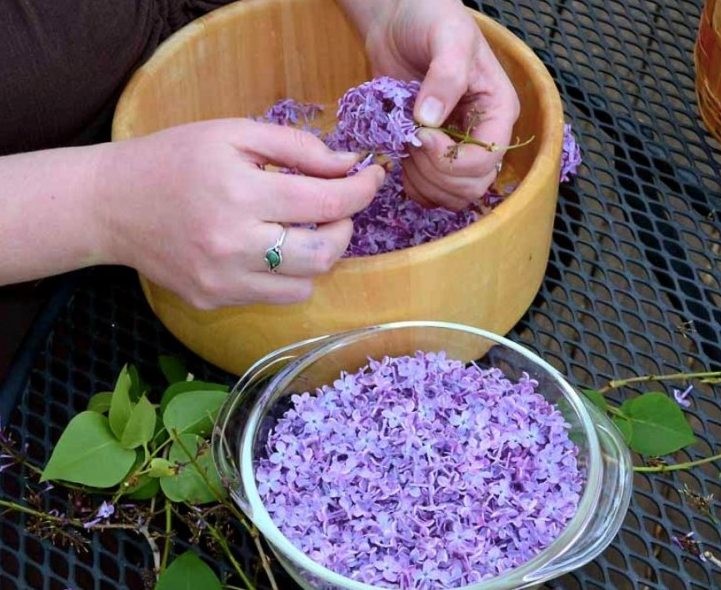
- Gather the flowers. You will need about two cups of nice blooms.
- Gently crush the flowers with a whisk or pestle.
- Pour sweet almond oil into a jar and add the flowers. You can also use another carrier oil.
- Then keep the container in a warm place (out of sunlight) and shake it once a day.
- Then strain through cheesecloth or a cloth into another container.
- Ideally store in a dark container to extend the shelf life of the oil.