
Article content
Each of us knows that we should have enough calcium, vitamin C or protein in our diet. However, we sometimes forget about other important substances that our body needs.
Fortunately, awareness of its indispensable role in health care has been steadily improving recently.
Yet up to 80% of people still have a magnesium deficiency in the body, which raises serious concerns. Magnesium is present in the body in relatively large amounts.
Scientists estimate that it is up to 25 grams per adult, with half of this amount found in the bones and only 1% in the blood.
This mineral needs to be constantly replenished, because more than 300 biochemical bodily reactions depend on it:
- metabolism of calcium, silicon, vitamin D and vitamin K
- activation of muscles and nerves
- energy production
- detoxification
- digestion of proteins, carbohydrates and fats
- building block in the formation and synthesis of RNA and DNA
Unfortunately, a large number of people around the world do not even realize that they suffer from magnesium deficiency. Its low level in the body can manifest as health problems such as anxiety, forgetfulness or muscle cramps. Regular intake not only eliminates the aforementioned health problems but also helps with a number of other conditions.
The main cause of magnesium deficiency in our diet is that “modern” agricultural methods have contributed to its excessive depletion from the soil.
It is of course then not found in the crops we grow on such soil.
The problem is further worsened by the frequent use of artificial fertilizers, pesticides and herbicides. One option is to take dietary supplements containing magnesium. People often take magnesium but not the right type or not in sufficient amounts.
Studies have shown that forms of magnesium such as aspartate, citrates, lactates or chlorides are absorbed much better than oxides or sulfates.
It is also advisable that supplements contain, in addition to magnesium, calcium, vitamin D and vitamin K2, because these substances complement each other and the metabolism of one is not possible without the presence of the others.
Another good method is baths with the addition of Epsom salt (magnesium sulfate), during which magnesium is absorbed into the body through the skin.
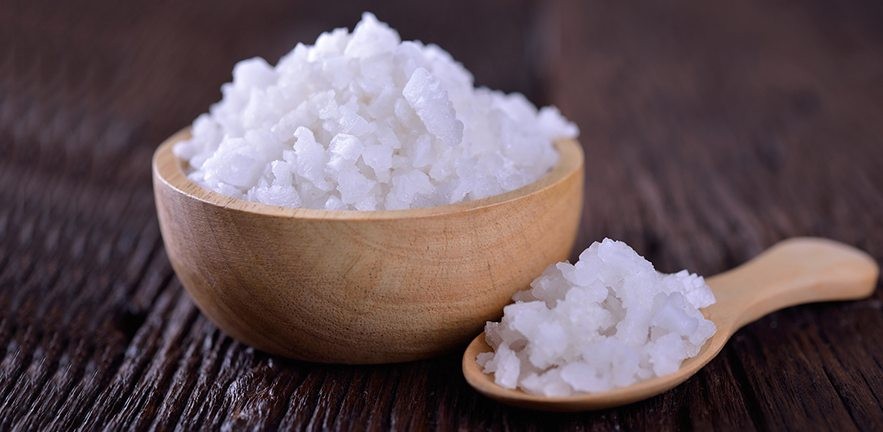
Today we’ll talk about another effective method using magnesium chloride salt (MgCl2) and how to make a remedy from it.
Homemade healing skin water
To make our healing skin water you will need:
- 1.5 dl of pure water
- 0.5 dl of magnesium chloride
Procedure
1) Mix the water with magnesium chloride.
2) Apply this mixture to the affected area – a sore joint, muscle, acne, eczema or another health problem.
3) Leave it on for 5 minutes. You can also make a compress from it.
4) That’s all!
Apply as needed until your health problem is resolved. If you want, you can also add shea butter to it and you’ll get a daily moisturizing cream.


