Article content
A new extensive study has shown that the effects of paracetamol on the brain are unexpected and very intense.
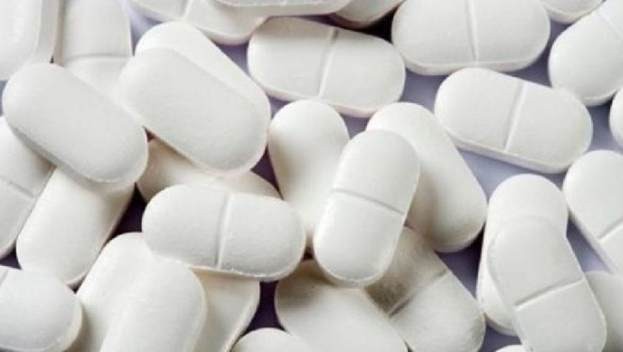
Paracetamol, under various names (here Paralen, Panadol or Coldrex) is the best-selling medicine. In America this ingredient is even contained in more than 600 drugs and it is estimated that every week some American will take one of them.
It was precisely this widespread global consumption of the preparation that prompted scientists to take a closer look at how paracetamol works, beyond the fact that it relieves pain and reduces fever.
In 2019 Canadian psychologists reached interesting results: participants who had been given paracetamol were asked to write a few sentences about their own death.
It turned out that they were less affected by negative feelings and anxieties than the control group that received the placebo.
How the drug, besides its pain-relieving effects, also reduced negative emotions.
Researchers at Ohio University in the United States further developed this hypothesis and published their results in the journal Psychological Science.
A drug for the brain?
For the first experiment the scientists used 82 people: they gave one gram of paracetamol to half and, without their knowledge, a placebo to the other half. They waited an hour for the drug to reach the brain.
Then all participants were shown 40 photographs from the IAPS photo bank (International Affective Picture System), starting with the saddest ones, showing for example crying or malnourished children, through the neutral ones to the very pleasant ones.
The control group who received the placebo and those who received paracetamol were to rate each photograph from the worst (-5) to the best (+5) and on a scale from zero to ten indicate to what extent the pictures elicited emotional reactions in them.
The results showed that the experimental subjects who were given paracetamol were, compared to those who received the placebo, less affected by negative feelings when looking at the saddest photographs. At the same time it turned out that joyful photographs provoked less joy in them.
AS IF PARACETAMOL reduced ALL EMOTIONS, suppressing NOT ONLY SUFFERING BUT ALSO JOY.
The paracetamol group reported feeling fewer emotions.
Do we know what we are eating?
As the French daily Le Monde reports, this is the first time that a side effect of paracetamol has been described in this way, which, according to the study’s lead author Geoffrey Durso, may have a broader range of effects than previously thought.
In addition to relieving pain, paracetamol can thus also be used as a means to relieve negative emotions.
Death on the tongue?
In their study the scientists put forward the possibility that the action of paracetamol is related to the neurotransmitter serotonin, which is involved in the transmission and control of pain and plays a large role in our mood.
The scientists also intend to continue researching other painkillers that are chemically different but are used in almost the same way, such as ibuprofen or aspirin.