Article content
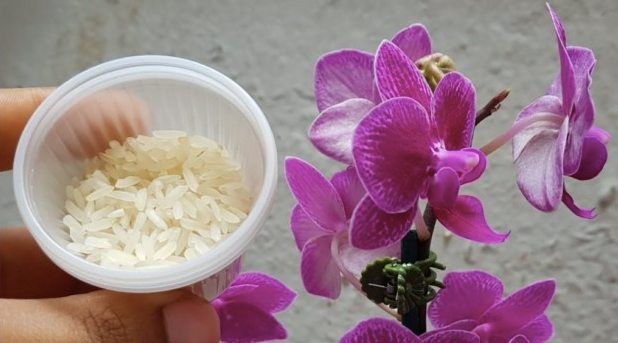
The florist recommends using ordinary kitchen items that end up in the trash every day – nothing more, nothing less. They contain all the substances the plant needs – phosphorus, potassium, nitrogen, carbohydrates and magnesium – the “golden” substances for a healthy flowering life cycle. These trace elements enter the plant gradually and if you know how to use them correctly, they will ensure you a beautiful plant for many years. This nourishment supports orchids during and before the flowering period.
Magic water for orchids and other houseplants – what ordinary rice can do
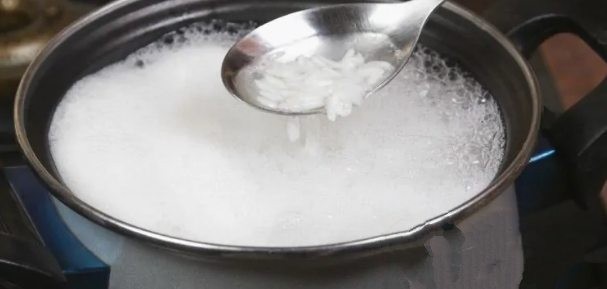
It’s nothing other than ordinary water after soaking rice. The water that many of us pour down the drain is full of vitamins and nutrients that plants need especially during flowering and growth. Rice water contains a number of substances that we find in commercial plant fertilizers. It contains B vitamins (especially B1 and B2), “NPK” elements (nitrogen, phosphorus, potassium).
Starches, fats, carbohydrates, as well as complex nutrients that the plant converts into energy, strength and resistance to pests. You can safely store the water in the refrigerator and use it when needed. We water orchids and other plants once every 15-20 days. However, never water with cold water — the water must be at room temperature!
Preparation is simple – soak 50 g of rice in 500 ml of water, let it steep for 24 hours and then strain.
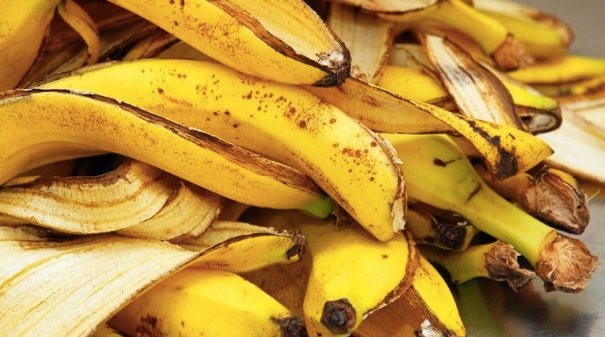
Orchid feed – the best and cheapest with a banana peel
Preparing fertilizer from a banana peel is very simple. We offer you 3 proven recipes.
Banana tea
Banana peel for orchids
- Let the banana peel dry in the sun or on a radiator and then grind it into a powder.
- Pour 200 ml of boiling water over 1 teaspoon. Let the liquid cool and water the plant.
Banana peel powder
- Slice the peel and place it in the oven on a baking sheet lined with parchment paper.
- When the peel is dry, let it cool and occasionally add the powder to the flowerpot. You can also use it directly on the roots – gently rub it into the roots.

Banana infusion
Banana peel for orchids
Take the peel from 2 bananas and pour 2 liters of water over it. Let it steep for 2 days. Dilute the resulting liquid with water at a ratio of 1:1.
A fresh peel will revive the leaves
Take the peel and rub the inner side over the leaves. They will gain shine and absorb useful substances.
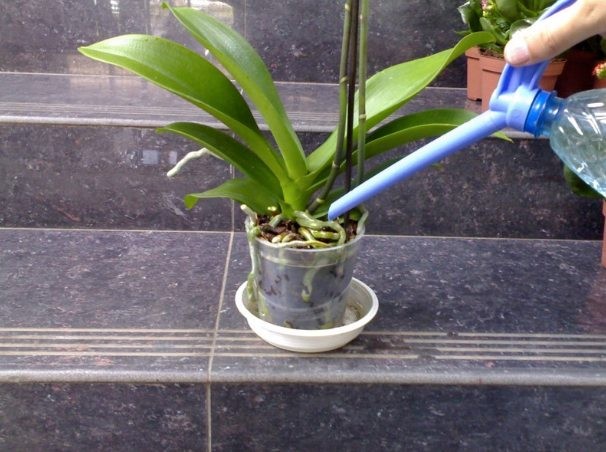
Homemade concentrated fertilizer (instead of store-bought sticks)
You need: water from cooking rice, molasses, milk, used green tea bags, crushed chicken bones
It may sound like old wives’ magic but in fact it’s a nutritional bomb. Dried and crushed chicken bones are an excellent source of calcium and magnesium. Just let them dry in the sun for 2 to 3 days and then crush them into a not entirely fine powder.
Procedure
1. Empty the contents of the used tea bags into a small bowl. Do not use urological teas, however, because they contain substances the plant will not accept.
2. Crush several chicken bones into a meal. Make sure the bones are finely crushed into small grains so that the final product has the consistency of sand. Do not grind the bones into dust, however, because very small particles can damage the plant. Bone meal will provide the plant with calcium and magnesium, but will also reduce soil acidity, so be careful with a lot of meal.
3. Mix the tea and crushed chicken bones in a bowl, pour in the milk and add at most a teaspoon of molasses. Mix thoroughly until the liquid acquires a brown color. We add milk because it contains important nutrients such as nitrogen, potassium and phosphorus.
4. Strain the water from cooking rice and let it cool to room temperature. After the water has cooled, mix it with the brown mixture. Rice water contains niacin, riboflavin, thiamine and other trace elements that orchids require.
Warning:
This mixture can be used only once (maximum twice) a month during the growing season by pouring onto the soil. However, be careful about overfertilization: a sign of too much fertilizer is a white film on the soil and browning or even dried-out leaves of the plant.
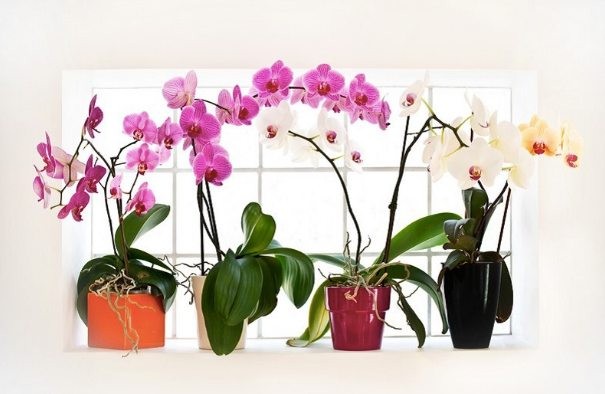
How to provide nutrition for the orchid
- Provide the nutrient during the growth period when the plant produces new leaves and shoots. Use it every second watering, but carefully – only moderately is enough.
- If you see the plant continuing to sprout – new leaves and shoots – continue supplying the nutrient. If growth stops, stop providing the nutrient.
- Provide the nutrient during flowering. Important: this does not apply to flowering plants that you have just brought from the store. Let them bloom and start supplying nutrients only after 3-4 months.
Banana peel for orchids
- During the autumn-winter period and in summer heat, phalaenopsis slows its growth, so it is not recommended to provide nutrients more than once a month.
- Sick, very weakened and recently repotted plants should not be fertilized.