
Article content
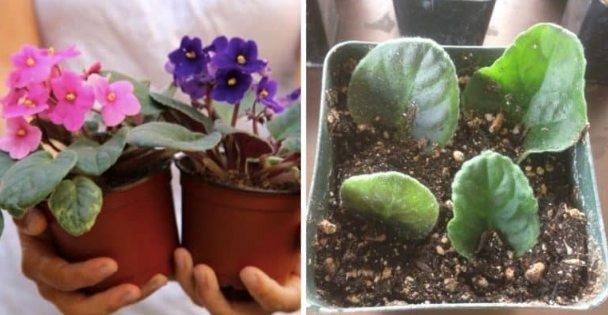
The violet comes from the East African rainforests. It is said to bring positive energy and joy into the home. Africans believe that as long as a violet is in the home, you need not fear misfortune and bad news. Although you do not have to believe in superstitions, one thing is clear. The presence of a violet in an apartment creates a pleasant and romantic atmosphere that you can enjoy even when it is bitterly cold outside. This is what my neighbor Hanka taught me about growing violets.
Africká fialka
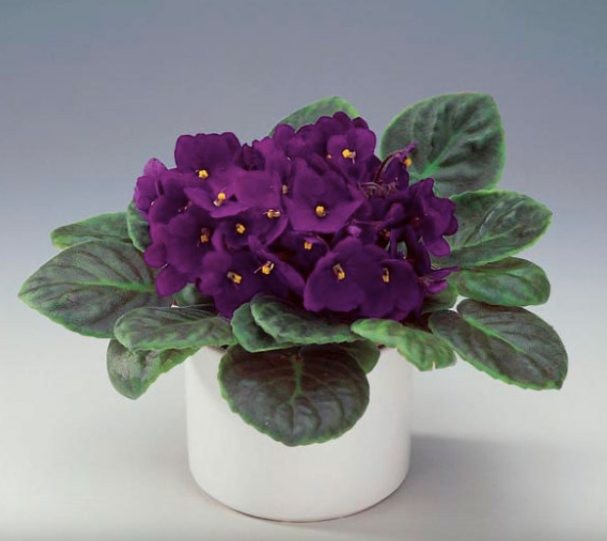
Violets bloom almost nonstop and do best on a windowsill, especially if you give them regular watering. This romantic little flower is a very common houseplant in our conditions. Violets blaze with color even when it is gray and damp outside, so just looking at those delicate flowers lifts the spirit. They are also spoken of as the plant of romantic love.
Suitable even for a beginner
Care for the violet can truly be handled by anyone. It is undemanding regarding sunlight exposure, and also with watering. It thrives best on northeast-facing spots in the apartment, where direct sunlight does not fall. Too strong sun causes spots to appear on the violet’s leaves. Especially during summer days, it is therefore necessary to protect the violet from the light.
Tea miracle for beautiful violets
Every plant needs fertilizing and violets are no exception. According to my neighbor, the best fertilizer is a tea infusion. Whether black or green tea — the tannins are great for potted plants. Put leftover tea into the water for watering, or pour water over a used tea bag once more and use that to water the plants every 14 days.
A dose of vitamins
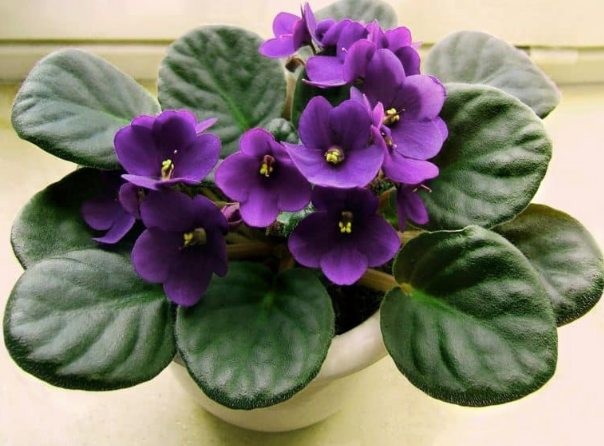
Hanka also uses this fertilizer; it prolongs the violet’s flowering to the maximum. Violets will bloom beautifully with this nourishment: Take a vitamin B12 tablet and dissolve it in a liter of water. Water the violets with this vitamin twice a month.
The right flowerpot is also important. The plants must have just the right amount of space in it.
When it comes to watering, you must never water the flower directly.
Do not water violets by sprinkling the top of the plant. You should always water using a drainage saucer. Never otherwise. A violet only needs to be watered 1-2 times a week, ideally with standing water at room temperature.
The drainage holes themselves are also important. Violets do not tolerate high humidity and excessive watering.
So we do not have to waste time experimenting, I recommend buying special soil for violets. It is a very important step because violets are very demanding of soft soil. My neighbor recommended adding vermiculite to the soil for violets as well. It helps maintain optimal moisture and temperature. Use equal amounts of soil and vermiculite.
Propagation is simple
Just like growing them, propagation is very simple. The easiest method is propagating from the leaves of an adult plant. Choose an undamaged leaf with a longer petiole. Separate the leaf together with the petiole from the plant with an angled cut (use sharp scissors or a knife). This way you can separate as many leaves as you want to obtain new plants.
Treat the leaf petioles with a rooting stimulator (it also acts as protection against soil-borne diseases and infections). Then stick the leaves into a rooting substrate. Gently press the soil around the cuttings with your fingers and water (not too much, just so that the soil is moist). You can plant them individually into small pots or into one larger pot.
Then cover the pot with the cuttings with a plastic bag and move it to a place with plenty of light (not direct).
From time to time water it when the top of the soil is dry.
After a few weeks, new plants will grow from a single leaf. When these seedlings are large enough, gently separate them (separate the roots so they are not damaged) and transplant them into individual pots. Leave the plants in the shade for 2-3 days after transplanting. They should bloom within 6 months. From one leaf you can easily get up to 4 new violets.


