
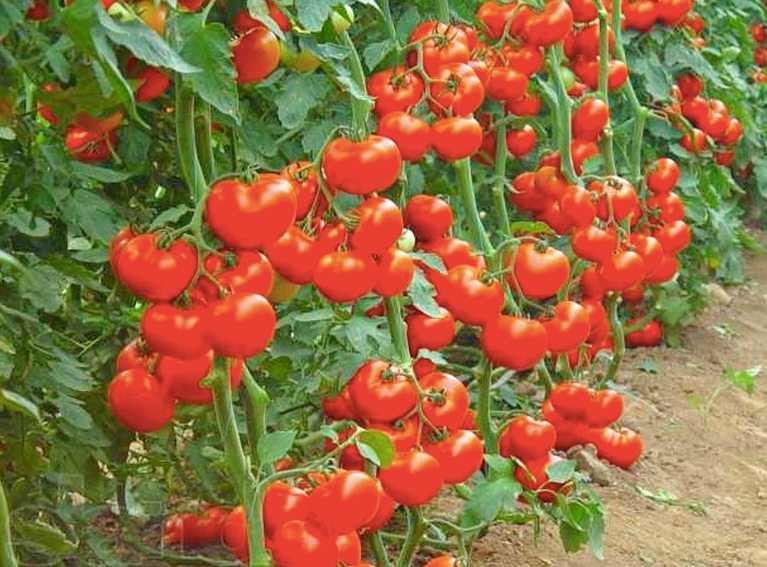
Article content
Iodine plays an important role in the life of plants and is highly effective against pests.
It can protect roots from rot, nourish shoots and increase the plant’s productivity.
It is involved in the synthesis of individual amino acids and proteins, is a natural antiseptic, and takes part in photosynthesis and nitrogen exchange.
This element actively participates in combating fungal diseases, works against molds and powdery mildew, and also accelerates budding and fruit set. A lack of iodine in plants can lead to reduced resistance of plants to the diseases that threaten them. The reason for an insufficient amount of iodine may be a low iodine content in the soil (especially in peat soils).
In overly acidic soil iodine elements are bound in lower layers and therefore inaccessible to plants. The highest iodine content is found in fertile black soil. Visually recognizing iodine in the soil is fairly difficult, so preventive support of plants with iodine is recommended – it certainly won’t harm the plants.
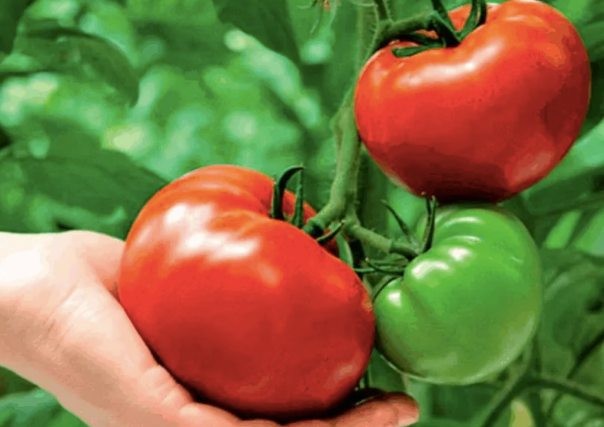
Nutrition for tomatoes
To speed up the growth of tomato seedlings, you should water them with an iodine solution – 1 drop of iodine per 3 liters of water. This will give the plants strength and the fruits will be larger.
Iodine will also protect the plants from fungal diseases and parasites. For this purpose, treat tomatoes with a solution of iodine and milk. It is recommended to do this every 14 days.
Method of preparation:
To 10 liters of water add one liter of milk and 15 drops of 3% iodine solution. Then spray this solution on the tomato bushes. Don’t forget the lower stems and leaves.
Why it works
- Iodine deficiency usually only becomes apparent when the plant begins to wither.
- An insufficient amount of this element has a large impact on fruiting. If the plants are already flowering but fruits do not subsequently form, it indicates a lack of iodine in the soil. If no measures are taken, this will result in a shortage of yield or very delayed fruit ripening and in small quantities.
- Iodine deficiency in tomatoes often manifests as reduced resistance of these plants. This is especially dangerous for young seedlings. Thin stems and pale leaves may indicate an insufficient amount of this element.
- Tomato roots usually begin to rot. Brown spots appear on the leaves, which are affected by powdery mildew and fungi. If the plants are not nourished in time, they will die, or will only have a very weak harvest.
- To prevent these problems, provide tomatoes with enough iodine.


