
Article content
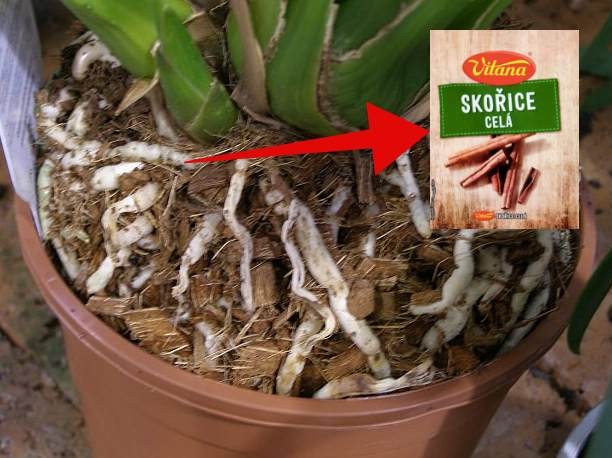
Cinnamon is a well-known aromatic spice that is mainly used for pastries and cakes. In natural medicine, cinnamon is valued mainly for its antifungal and disinfectant properties. As it turns out, these properties can be effectively used in the garden because they help fight pathogenic fungi and repel insects. It worked just as well for rooting cuttings. In this article we bring you 7 proven ways to use cinnamon in plant cultivation!
Cinnamon against ants
Cinnamon is a proven remedy that is commonly used in organic cultivation. It won’t kill ants, but they can’t stand the cinnamon aroma, and so it deters them. So if ants enter your house, garden pavilion or are in the greenhouse, find the spot and sprinkle it with cinnamon.
Similarly, baking powder is used for this purpose. However, it also kills ants, so cinnamon is a gentler way to get rid of them.
Useful tip
If you want to prevent ants from settling in children’s sand, simply mix more ground cinnamon with the sand. This not only prevents ants from entering but also disinfects the sand.
Cinnamon against mosquitoes
Mosquitoes, like ants, do not tolerate the smell of cinnamon. So if you don’t want these annoying insects to fly into a room, place a bowl of warm water with a small amount of ground cinnamon on the table. Its scent creates an invisible protective shield that mosquitoes will not fly through.
Cinnamon as a rooting agent
Cinnamon can be used in the garden as a preparation for rooting cuttings. Its use pays off because it also protects seedlings from mold.
To use cinnamon for rooting, sprinkle a paper towel with cinnamon and then dip the tips of the seedlings that are to be rooted. Insert the ends of the cuttings covered with cinnamon into pre-prepared holes in the soil. The cuttings should not be pushed directly into the soil to avoid scraping off the cinnamon.
Cinnamon for potted plants
Cinnamon also helps if mold spreads in flower pots. It is advisable to mix powdered cinnamon with the soil already during planting, which makes root regeneration after planting easier.
Cinnamon for damaged plants
Cinnamon can also be used when you have had to cut shoots or accidentally broken them. After pruning, treat the wound with cinnamon. This speeds up healing and prevents pathogenic fungi from penetrating plant tissues.
Cinnamon on orchid roots
Similarly, cinnamon helps protect wounds after cutting orchid roots. If you had to trim roots that had rotted due to frequent watering, it is worth sprinkling the ends with cinnamon before planting the plant. It protects them from molds and bacteria that could enter the wound after injury.
Cinnamon against mites
This use of cinnamon in the garden is not so well known and requires a bit more work. However, the effect will pleasantly surprise you!
Cinnamon alone is not enough to prepare a solution against mites and must be combined with other ingredients such as garlic, Provencal herbs and cloves. It is also advisable to add a bit of soap.
How to do it:
Mix a teaspoon of ground cinnamon with a teaspoon of cloves, add 2 teaspoons of Provencal herbs and pour into a liter of boiling water. Stir thoroughly and let cool. Then add crushed garlic and let it infuse for about 1 hour. After this time, strain the solution and pour it into a sprayer. Finally add a few drops of liquid soap, shake and use immediately. Repeat this spraying every 3 days for 2 weeks. It’s a bit labor-intensive, but it will allow you to get rid of mites in the garden effectively without unnecessary chemicals.


