
Article content
Tomatoes are one of the most popular crops, so almost every gardener grows them.
Caring for tomatoes
Not everyone, however, knows how to properly care for tomatoes and how to prune them correctly. Pruning is necessary mainly so that excess leaves do not take nutrients from the plant and so that the lower leaves do not begin to rot. Pruning leaves may seem simple, but rules must still be followed to avoid doing more harm than good.
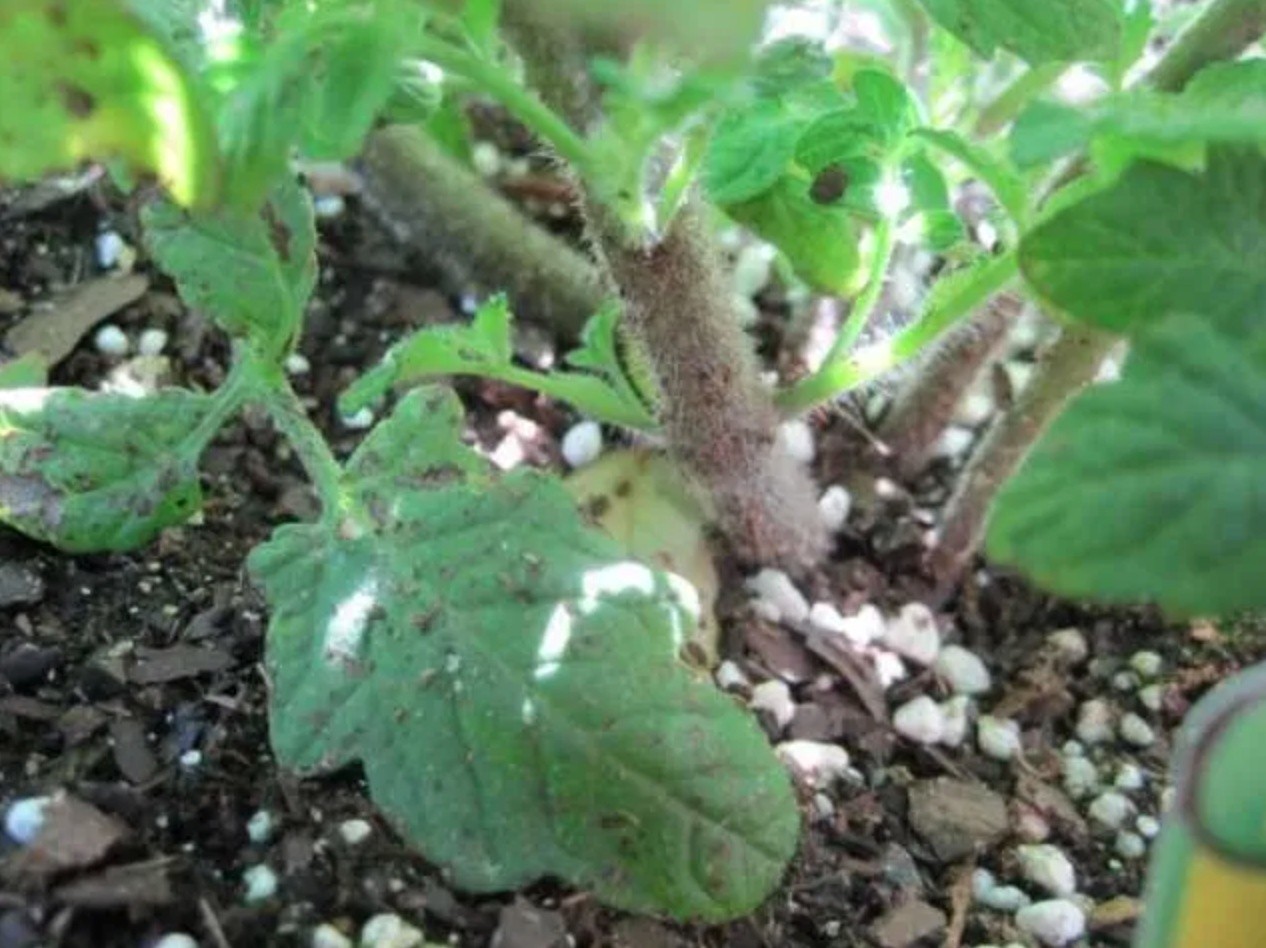
An inexperienced grower may have the mistaken idea that the denser a tomato bush is and the more shoots it has, the bigger the harvest will be. However, this is not entirely true, because if a plant has too many shoots and green parts, it will consume more nutrients, and the fruits will likely be smaller, fewer in number, and it can even affect their taste.
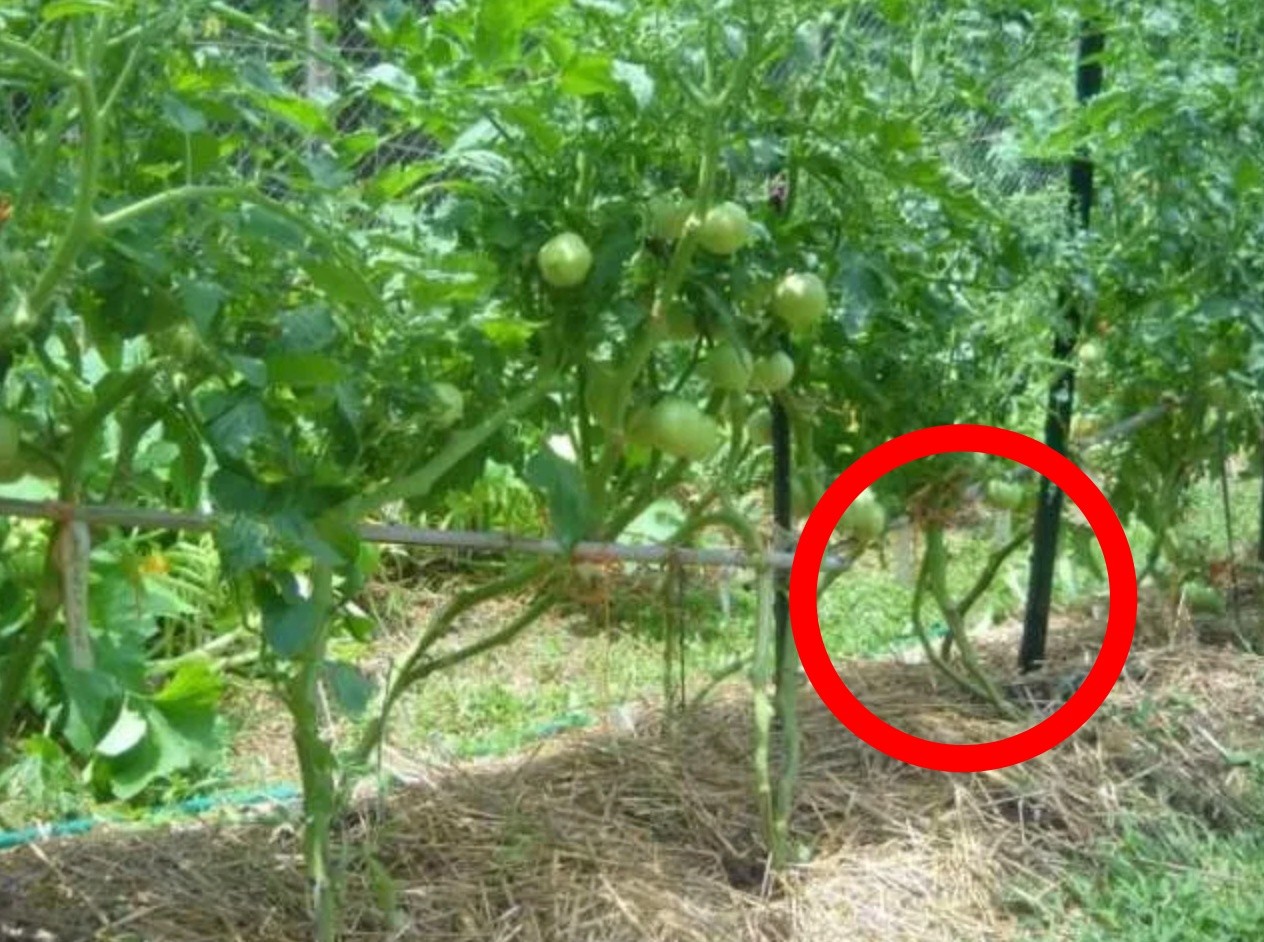
The lower leaves, which are often quite large, also disrupt air circulation in the lower part of the plant, which can lead to the development of fungal infections.
Benefits of pruning tomatoes
The first advantage is that after removing the lower leaves the plant becomes a bit more open, air masses circulate freely even in the lower part of the bushes and moisture evaporates normally. This reduces the risk of fungal diseases.
The second advantage is that by removing excess parts of the tomato bush’s vegetative mass we slightly reduce moisture evaporation by the plants themselves and thus reduce energy consumption, which leads to stimulation of fruit growth.
How to properly prune tomatoes
Remember that nothing should be rushed. If you remove excess shoots immediately after planting seedlings, it can worsen the plant’s condition and slow its growth. You can remove leaves in the lower part only when the seedlings are growing and are strong enough. This can take 7 to 10 days.
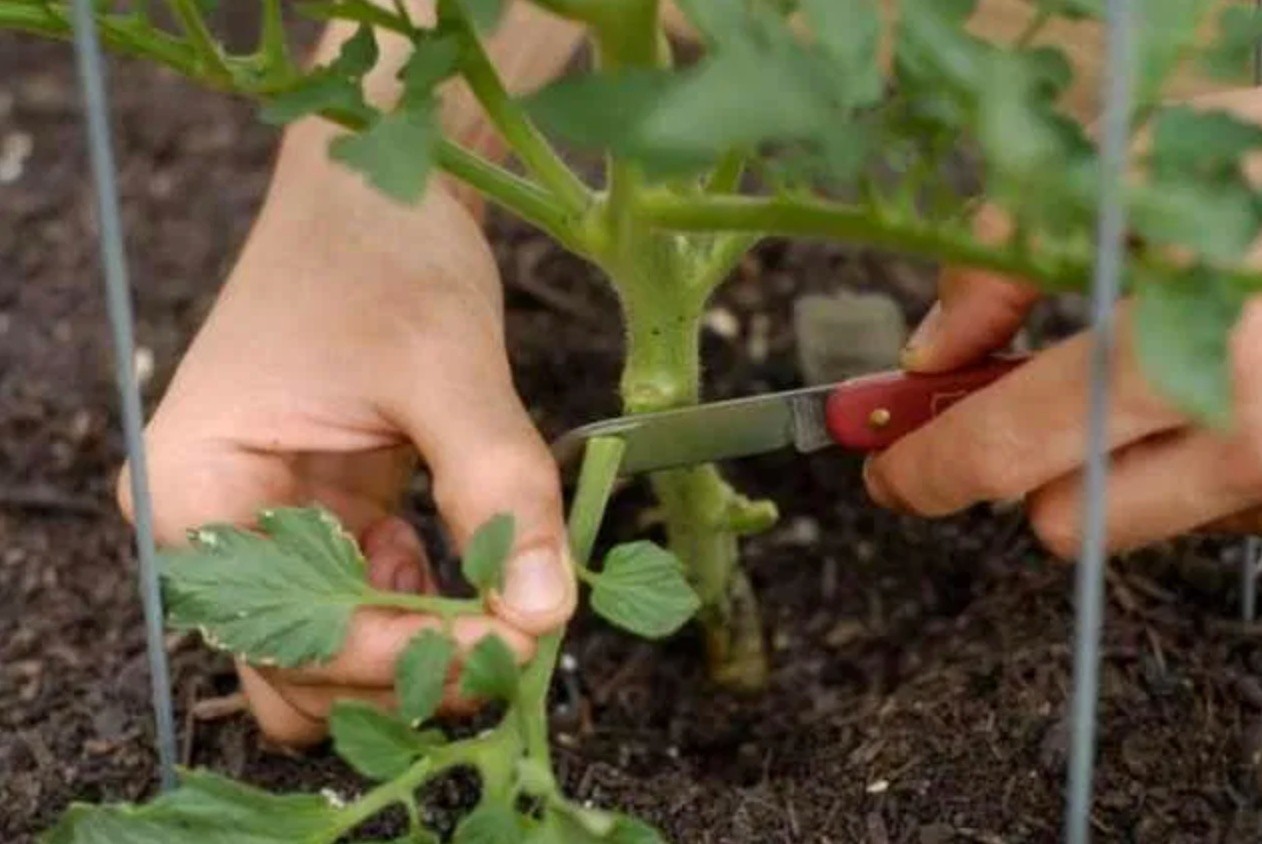
Before you proceed to remove tomato leaves, first check all the plants and remove the lower leaves that for some reason have started to dry out and yellow. Those have a greater risk of infection. Only then remove the lower leaves from healthy plants.
It is advisable to remove the lower leaves, but do not do it in cold or cloudy weather. Instead, do it on a pleasant sunny day. The fact is that in the presence of sunlight the wound at the remaining spot of the former leaf will heal much faster and the risk of infection will be minimal.
When you start removing the lower leaves, do not be too zealous so as not to damage the plants.
Preferably remove the leaves twice over the course of the week.
Only such slow removal of leaves will not harm the plants. Use a sharp tool for pruning.
The first wave of leaf removal should safely be carried out after the flowers have been pollinated. The second wave can take place when the tomatoes begin to turn red. This directs the maximum amount of nutrients into the fruits, but at the same time with the removal of excess leaves it is important to reduce watering, because excessive moisture can cause the fruits to crack. If it often rains, do not water the tomatoes at all and loosen the soil frequently to increase evaporation and prevent waterlogging.
Removing the lower leaves of tomatoes is therefore necessary and will solve a number of problems – it will ensure better nutrition for the fruits, improve their taste, the fruits will be larger, and you will also reduce the risk of diseases.
In addition to the lower leaves, also remove all secondary shoots.


