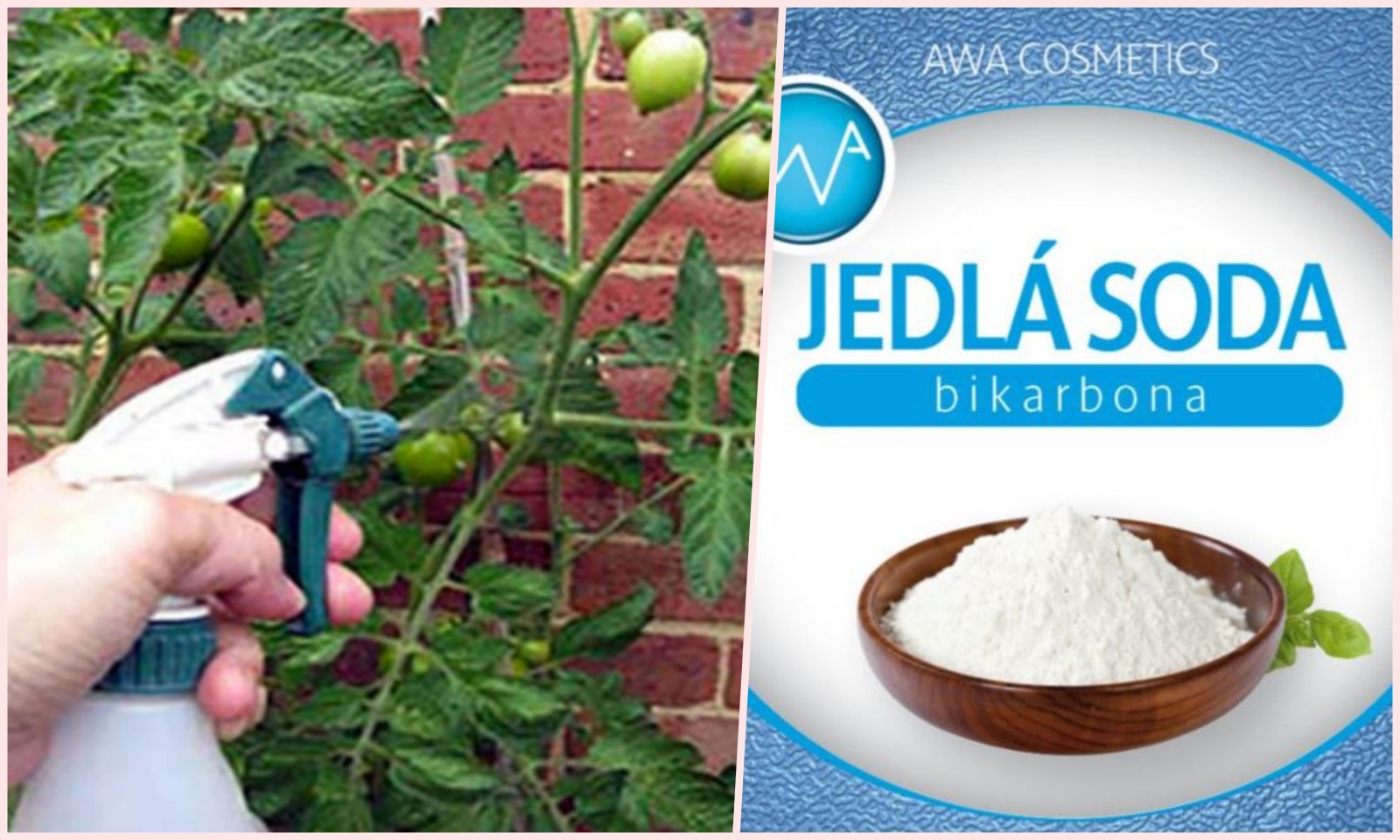
Do you have baking soda at home? This mixture is an indispensable helper for every garden: Perfect nutrition for the whole garden and, moreover, bulletproof protection against pests!
If you thought that baking soda has use only in the kitchen, you are very mistaken. In the garden it is almost indispensable and for a few cents you get perfect nutrition and protection against aphids, caterpillars, or root molds. It helps tomatoes, eggplant, cucumbers and zucchini.
Many gardeners still use chemical fertilizers or chemical protective sprays against pests in the garden, which, however, subsequently have a negative effect on the quality of the produce. Meanwhile ordinary baking soda, which is cheap and safe serves as a great fertilizer for your plants and at the same time performs an excellent protective function.
What are the benefits of using baking soda in the garden?
protects plants from microbes and fungi
helps extend the fruiting period
improves the taste of the fruits
helps fight pests and diseases
As you can see, using baking soda in the garden has many advantages without negative side effects. However, to make soda a useful helper, you must follow the correct procedure. You should also take into account the amounts and the intervals of use. Otherwise the result could be the opposite and you could harm the plants.
Important rules:
mix the solution very well until it is smooth
spray the plants using a sprayer with very small holes
apply the spray in the evening so that sunlight does not dry the moisture on the leaves and cause burning
even with a baking soda spray you should not overdo it and the minimum interval between treatments should be at least 3 days.
How to use baking soda as a fertilizer
We need:
10 l hot water
2 TB baking soda (1 TB = tablespoon)
How to do it?
1. Add the baking soda to the water and mix well until it is completely and evenly dissolved. Let it cool to room temperature.
2. Pour the solution onto the crops at the root – about 500 ml per plant.
3. For better effectiveness first water the soil with clean water.
This solution used during the flowering period stimulates fruiting and if the soil is excessively wet, the fertilizer will help you avoid root rot. This mixture is also recommended to gardeners who grow their produce on acidic soil, because the bicarbonate neutralizes the acidity.
Baking soda against pests and aphids
Against mold
Mold affects many crops and thanks to baking soda you can successfully fight this problem.
We will need:
50 g baking soda (2 TB)
40 g laundry soap
hot water
10 l water
How to do it:
Grate the soap and completely dissolve it in hot water. Then dilute the solution with 10 liters of water, add the baking soda and mix.
Pour the solution into a sprayer and spray the leaves especially in the areas most affected by mold.
If the plants are not in serious condition, usually one spray is sufficient. If that is not enough, repeat it at 3-day intervals until the mold disappears.
Against aphids
This small insect is a complete disaster for gardeners. They settle on the undersides of leaves and suck out the sap, which results in the drying out and death of the plant. If you want to get rid of them, try this solution.
What we’ll need :
2 TB baking soda
40 g laundry soap
1 l hot water
2 TB wood ash
10 l water
How to do it:
In a bowl with 1 l of warm water add the ash and let it steep while stirring regularly. Add the baking soda, the soap and dilute with 10 liters of water. Mix and spray onto the leaves.
Baking soda is truly a great helper in the garden! We recommend trying it