

Article content
Nature provides us with the most powerful remedies. Our ancestors used them, but today many have been forgotten because we have more comfortable and faster solutions available in pharmacies in the form of vitamins, dietary supplements or various solutions and syrups. The truth, however, is that nothing matches the strength of natural medicines and you can try their power even today. Moreover, these remedies do not have a negative impact on our health.
Thyme – the poor man’s penicillin
Not only does it smell wonderful, but it also has pronounced antibiotic properties. The ancient Egyptians used its oil for embalming mummies. In Arab countries, an infusion mixed with olive oil is still prepared from it today and used to clean wounds. This herb is considered one of the strongest natural antibiotics, acting strongly as a disinfectant and antiseptic. It destroys fungi, bacteria and also intestinal parasites; according to some researchers it is effective in the treatment of Helicobacter pylori.
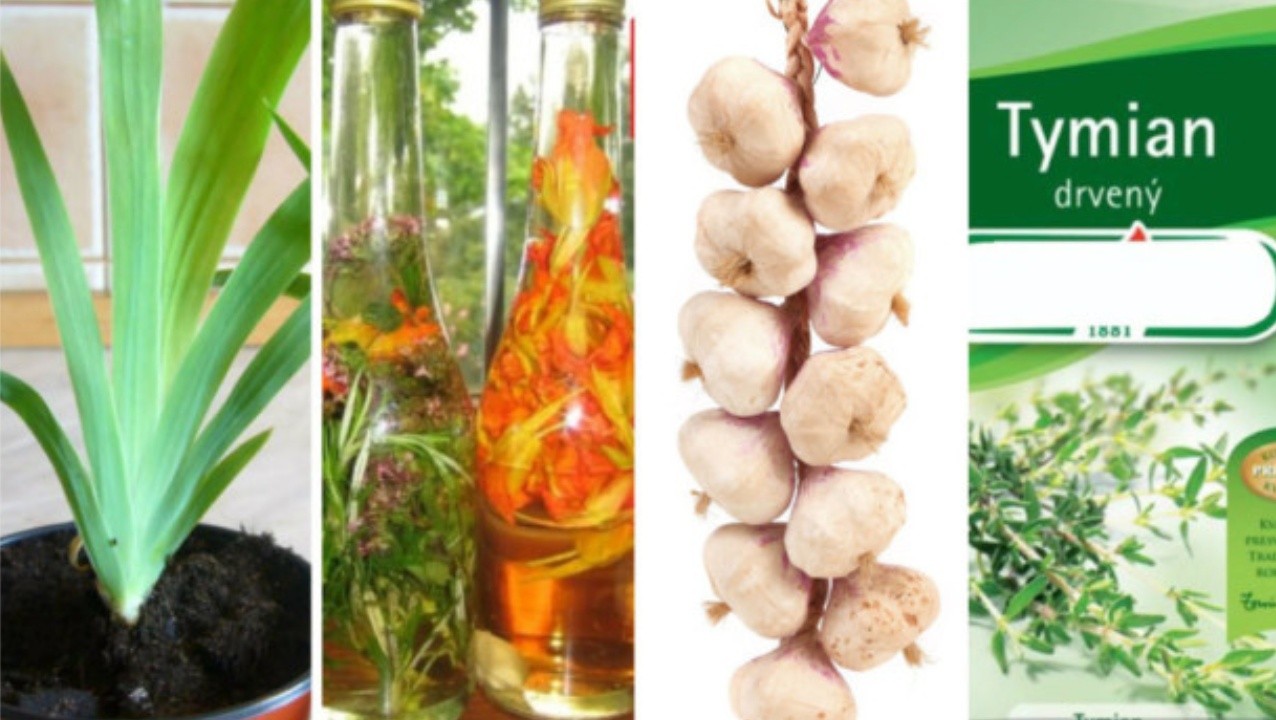
How to use it
- Add 2 teaspoons of dried thyme to 200 ml of boiling water and let steep for 5 minutes. Drink twice a day as warm as possible.
- The tea is also used for gargling with inflammation of the upper respiratory tract.
- For impure skin and inflamed wounds, apply compresses made from thyme extract or tea.
WARNING! Thyme must not be overdosed.
Sea buckthorn
It is a source of vitamins A, D, E, K and P
Vitamin A, i.e. beta carotene, has significant antioxidant effects and reduces cholesterol levels. Thanks to vitamin D it supports bone growth and acts against bloating. When used externally it has antibacterial and anti-inflammatory effects. Thanks to the active substances it contains, it has antioxidant properties, improves digestion and supports the body’s natural immunity. You can use it, for example, as prevention against viral infections such as flu or colds. If you suffer from chronic cough, try applying sea buckthorn oil to the chest and massaging it well into the skin. Because it acts as a natural antibiotic, it will help you in treatment.
Ginger
It works against infections of the upper respiratory tract. It destroys pathogens and has an exceptionally strong effect on the digestive system, harmonizing its function. Fresh is of course the most medicinal.
Use
You can regularly add a piece of ginger to homemade blended fruit or vegetable juices – smoothies.
You can also blend ginger into your favorite pumpkin soup. It is added to Asian dishes and is often served with poultry and rice.
Cut fresh ginger and pour hot water over it. Let it steep and add a teaspoon of honey; drink three times a day.
When to take it?
- Preventively during periods of increased incidence of flu and inflammations.
- If you feel tired and exhausted.
- At the onset of illness.
- Also during illness, but do not rely solely on natural treatment. If you feel unwell, you must consult your health condition with a doctor.
- During convalescence.
- For colds.
Honey
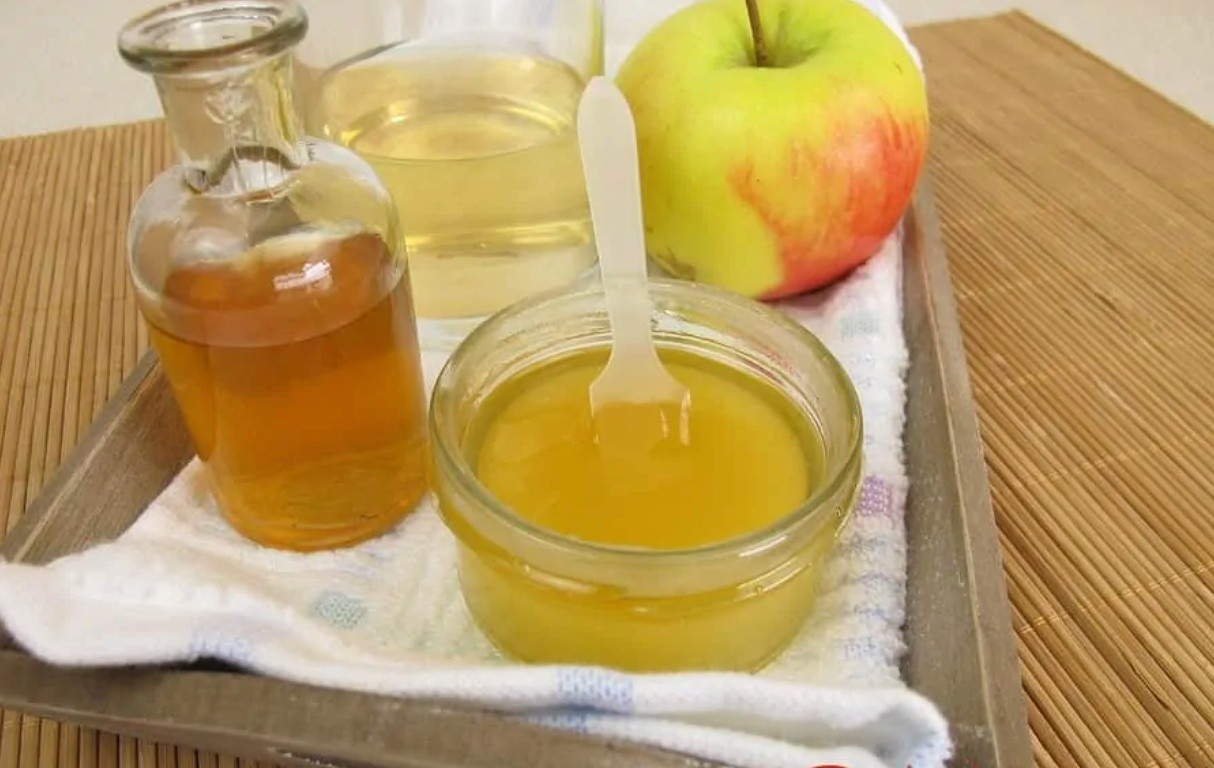
Honey is one of the best natural antibiotics. It is a very versatile helper in the fight against bacteria. It helps with sore throat, cough and bronchial inflammation. It is excellent, for example, when combined with grated onion.
Honey even applied to the skin supports the healing of wounds and scars.
Honey compress and medicine against cough
We need honey, flour (or potato starch) and vegetable oil. Besides that we will also need gauze or a cotton cloth and adhesive plaster.
Mix the flour with a little honey and add vegetable oil to the mixture – create a uniform mixture. When the mixture is smooth but not sticky, add more flour. Give quantities according to your estimate; you should get a mass similar to an ointment, which you then apply to gauze and wrap up.
Now only one thing remains – attach the prepared medicinal compress with adhesive plaster to the chest (over the area above the heart). For a child, put on an undershirt or cotton T-shirt and then pajamas over it, because the compress will get damp.
Do not leave the compress on children for more than 2 – 3 hours; in adults it can act overnight or all day, depending on when you apply it. The honey compress can be applied to children from six months; do not use it on younger infants.
Be prepared that the child will sweat more after the compress, especially the first time. If it appears that the cough subsides and there is less phlegm, it is appropriate to repeat it several times. However, if fever or other complications occur, do not hesitate to see a doctor.
Honey medicine against cough (for consumption)
I recommend this to everyone who often has a runny nose during winter and autumn, is frequently coldy, suffers from cough or frequent inflammations. In addition to supporting immunity, it also helps fight inflammations, bacteria and viruses. And there’s one more bonus: it helps fight fatigue, cleans the vessels and benefits overall health. All the ingredients of this homemade remedy are very healthy by themselves. When you combine them, expect real miracles.
Procedure:
- 5 tablespoons of bee honey
- 5 organic lemons
- 20 cloves of garlic (if you want the garlic to be less harsh on the stomach, remove the middle part of the cloves)
- 1 piece of fresh ginger (about 5 cm)
Procedure:
Peel the lemons, ginger and garlic, cut into small cubes and blend with the honey into a paste.
Store in the refrigerator in a glass jar.
Garlic – a scourge for viruses
During periods of increased incidence of flu and other cold-related illnesses, have garlic as often as possible as prevention and medicine. Garlic is a natural antibiotic and antiviral, it strengthens immunity and helps fight viruses. One (about 6 g) to two cloves daily, three to four during flu season – that is the recommended dose for an adult, which should not be exceeded. A simple garlic soup also provides great benefit at this time. To counter the typical garlic aroma, which may not be pleasant to everyone, it helps to eat garlic together with oil, milk and honey or to chew a piece of parsley after eating.
Garlic milk against flu
We need:
- 500 ml milk
- 10 cloves of garlic (peeled and crushed)
- 2 or 3 teaspoons of brown sugar
- 250 ml water
Procedure:
Put the water and milk into a pot. Add the garlic and simmer over low heat. Wait until the mixture begins to boil. Do not stop stirring until the mixture has evaporated by half. Remove from heat and sweeten with sugar. This prepared drink is ready to serve!
Garlic elixir to boost immunity
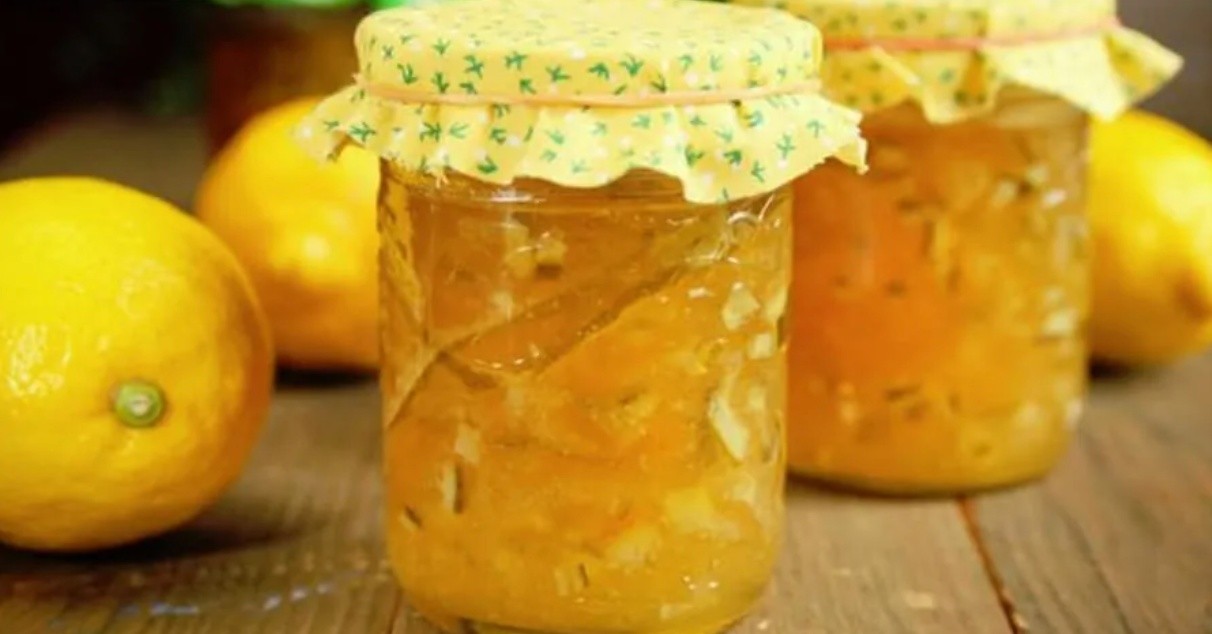
We need:
- 8 cloves of garlic
- 4-5 cm piece of ginger root
- 5 l of water
- 2 organic lemons (not chemically treated)
Procedure:
- Wash the lemons, peel the ginger and the garlic.
- Cut the ginger and garlic into small pieces and cut each lemon into 4 pieces with the peel.
- Blend all ingredients in a blender.
- Bring the water to a boil in a pot and then mix in the blended mixture.
- Let cool and fill into glass jars.
- This elixir should be consumed every day at least 2 hours before the first meal.
Onion will eliminate cough
Onion acts similarly to garlic, but it is unique in that it loosens phlegm and helps with sinus inflammations. At the first sign of a cough, slowly eat a raw onion. Cut another onion in half and place one in each room where you spend a lot of time. The onion will cleanse the apartment of bacteria. Or peel one onion and cut it into rings, pour 300 ml of boiling water over it, cover and let steep for 20 minutes. Strain. Drink the tea warm, sweetened with honey, three times a day. For a runny nose and inflammatory sinus conditions, inhaling the vapors from freshly chopped onion helps. You will cry a bit, but it will help. A poultice of chopped onion relieves sore throat. For a runny nose, soak a cotton swab in onion juice and insert it into the nose. Apply once every 2 hours.
Caramel tea against cough
We need:
- sugar
- onion
- water
- and ginger, if you have it
Procedure:
I make this healing mixture (tea) by eye and at the end I usually add a bit of ginger. In a pot caramelize about 6 tablespoons of sugar slowly – when the sugar has melted, take cold water and pour about half a pot. I use a medium-sized pot! I want to point out that when you pour the water in, be careful because the mixture will bubble and even splatter. No need to be alarmed—reduce the heat and when the whole mass hardens, stir and gradually dissolve it. Add a halved onion with the peel (leave only the last layers of the onion skin) and cook for 15 minutes. Then serve. It tastes great even for children and even helped in a case of pneumonia.
Horseradish is best against a runny nose
Horseradish has a pronounced antibiotic effect and strengthening properties. Horseradish can effectively eliminate infections in the body and is an excellent supplement to the treatment of all cold-related illnesses. During flu it suppresses the multiplication of bacteria and viruses and warms the body. In cough and cold, horseradish loosens phlegm; its essential oils dissolve accumulated secretions on the mucous membranes of the respiratory tract both in the nasal cavities and in the lungs and bronchi. You will feel this effect already when slicing, crushing or grating it, when disinfecting substances are released, which is expressed by tearing up as with onions. A proven natural remedy during flu season is to take 1 teaspoon of fresh horseradish every day.
Horseradish miracle
We need:
- 250 g horseradish
- 200 g quality honey
- juice of 1 lemon
- 3 cm ginger (optional)
Procedure:
Quickly peel the horseradish and ginger and grate on a fine grater. Pour a jar of boiled but not hot water over it. Mix everything thoroughly, cover and let stand for one and a half hours at room temperature. After this time, strain and carefully squeeze the liquid through a sterile cloth and stir in all the honey and a little lemon juice.
Nasturtium
Nasturtium (Tropaeolum majus), commonly also called watercress, has been cultivated here for over 400 years. Apart from its beautiful red flowers, it boasts mainly strong medicinal effects and works as a natural antibiotic. It can fight urinary tract infections and partially also respiratory problems. In general, it strengthens immunity and helps the body defend itself against adverse environmental influences. All its parts—from leaves, flowers, stems to seeds and tubers—are edible. The roots of nasturtium taste reminiscent of radishes.
Make medicinal drops from nasturtium
We need:
- one part nasturtium (stems, leaves, flowers)
- four parts quality vodka
- a dark bottle
Procedure:
Pour vodka over the nasturtium, shake and let macerate in a dark bottle for three weeks. Shake the mixture occasionally. Then strain the solution and store in a dark place. Use as needed. During periods when you need to strengthen immunity, take 20 drops three times a day for at least one month.
Tip: You can also blend nasturtium leaves with water in a 1:4 ratio, strain and take one tablespoon of this fresh juice daily. However, the juice does not have a long shelf life; rather prepare it fresh daily or every other day so it does not lose its effects. You can also use it as a hair rinse – it supports hair growth and has a beneficial effect on the scalp.
Betony
You can grow betony at home on a windowsill, or even outside in the garden. It looks a bit like an iris and blooms beautifully.
Young fresh leaves are used; they are briefly chewed in the mouth, but do not swallow them, to treat tonsillitis, cough, phlegm and vocal cord disorders. Beware, chewing really burns in the throat!
An infusion from the rhizome helps with urinary tract inflammation, but also with constipation and bloating.


