
Article content
If you are thinking about expanding the lavender bed in your garden, summer is the right season. You don’t have to go to the nursery for new lavender seedlings, you can easily and quickly propagate it at home. We’ll show you how!
Propagation by cuttings
If you’re looking for the simplest way to propagate fragrant lavender, definitely try propagation by cuttings. It’s simple and really fast.
A simple step-by-step guide will show you how:
We need:
- a healthy non-flowering lavender
- a sharp knife
- a flowerpot with a diameter of 10 cm
- substrate – garden substrate enriched with nutrients and well-draining
- rooting hormone
- a plastic bag
Procedure:
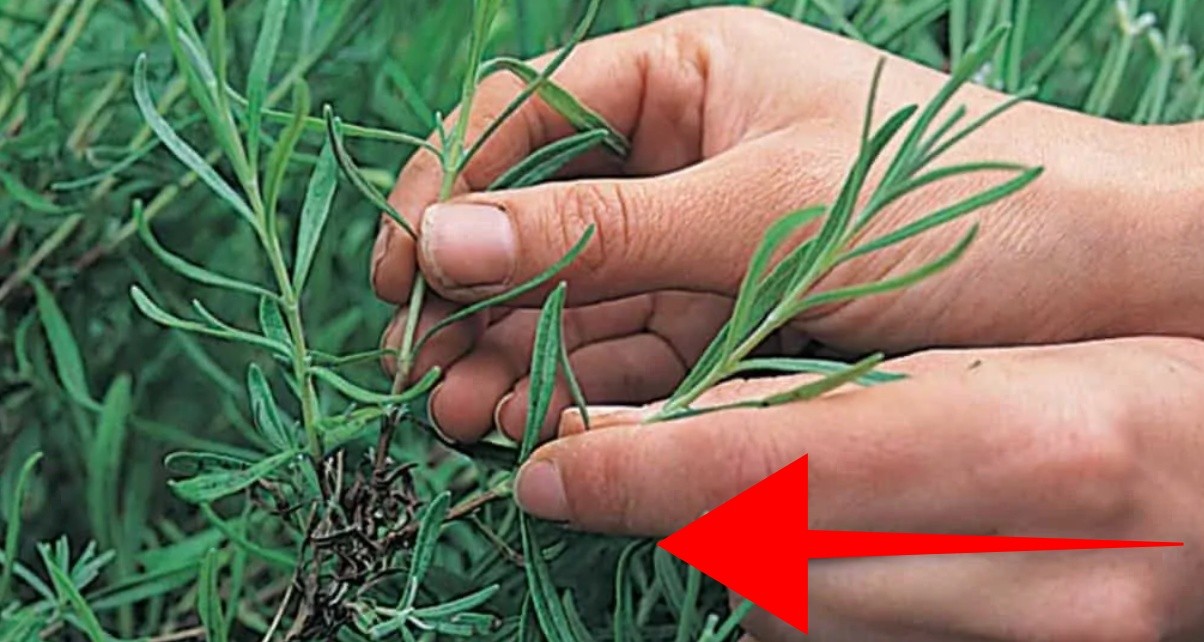
For propagation choose lateral shoots from a healthy plant. Remove the shoot including the lower part where it is attached to the main stem. This area is important for proper rooting of the plant.
Using a sharp knife, remove the small protrusions on the lower side of the shoot.
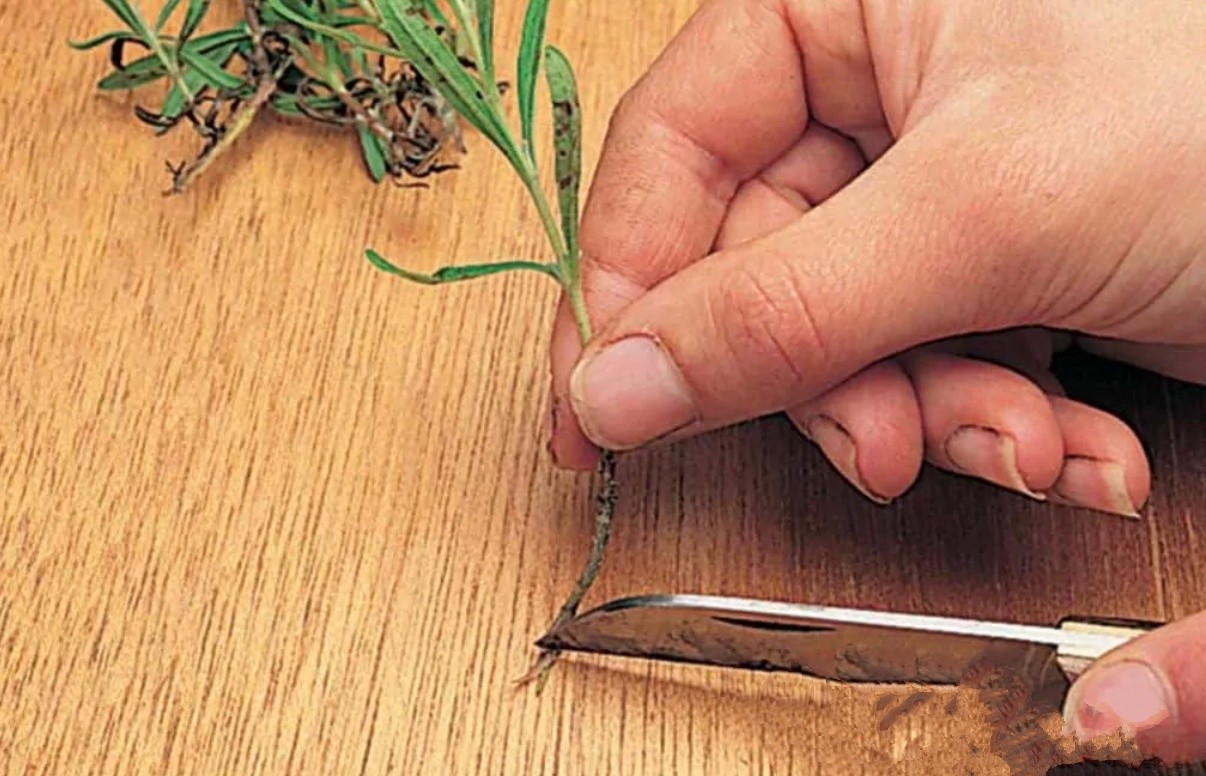
Then remove the lower pairs of leaves so that a bare stem remains on the lower part of the plant, which we can insert entirely into the substrate. The places from which we removed the leaves will serve for stronger rooting of the plant.
Then apply rooting hormone to the bare stem, which will speed up the whole process and protect the plant from possible problems such as molds or rot.
Insert the cuttings into the soil around the edge of the pot (I used substrate mixed with sand in a 1 : 1.
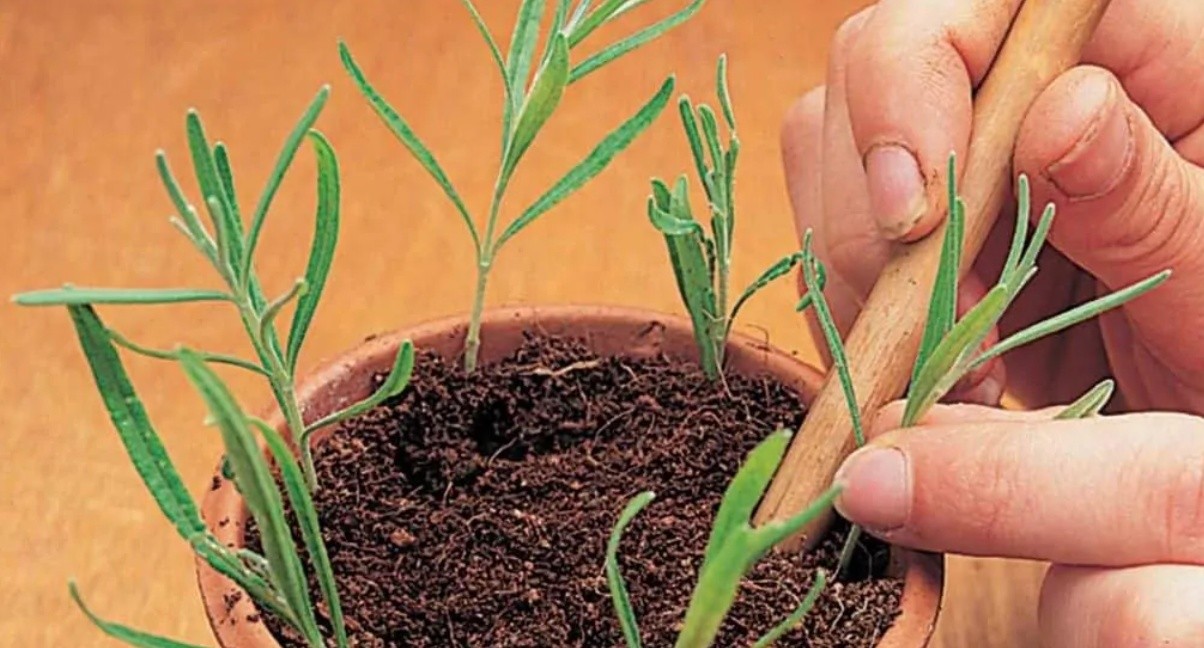
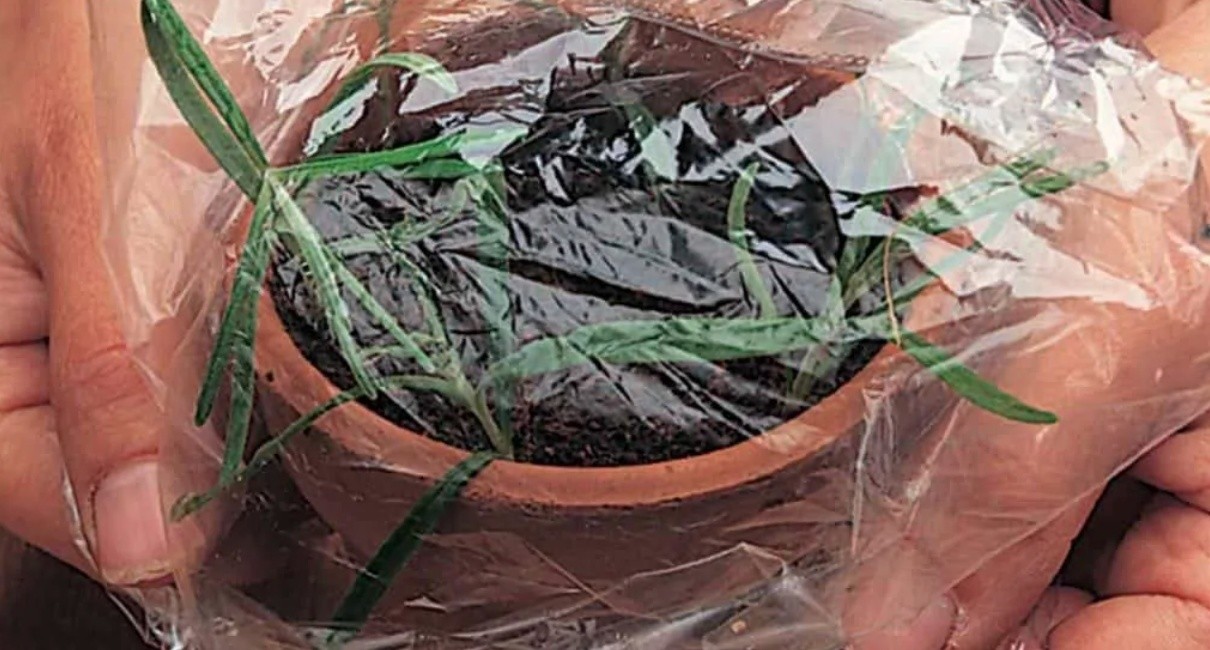
Water the soil thoroughly and then cover the pot with a plastic bag, which will help maintain a humid environment around the cuttings.
Place the pot in a warm, shady spot.
When the rooting process begins (after 4-6 weeks) cut a corner of the plastic bag, which will improve air circulation. After a few days remove the bag completely. Leave the plants in the pot until they are sufficiently rooted and then transplant them into individual pots or into the ground.
Alternative method:
The following method has worked well for some of our readers:
They separated the shoot from a healthy plant in the same way as in the first method and also removed the lower pairs of leaves. Then they simply placed it in a glass of water and set it on the windowsill. After approximately 8-10 days the plant had rooted and it was enough to transplant it into a pot.


