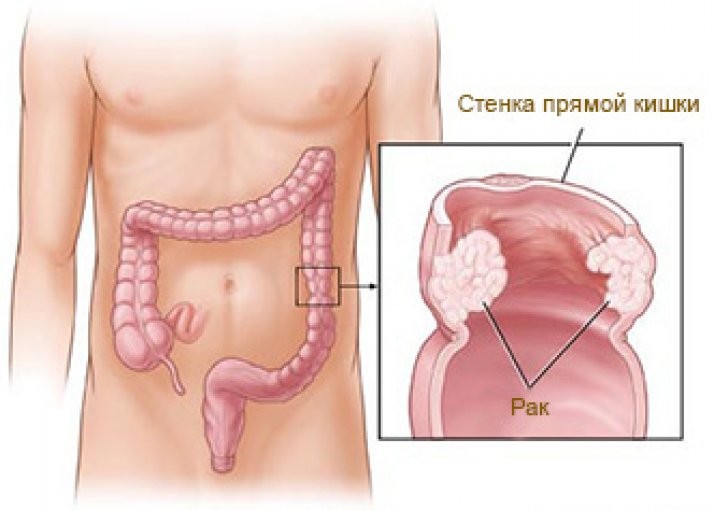
Article content
Carcinoma in the rectal area represents an unpleasant disease; its causes are usually, in addition to a genetic predisposition, also long-term unsuitable dietary habits, which include above all a very limited drinking regimen, a low intake of vitamin C and very frequent consumption of meat, meals containing high amounts of fats and little fiber. Appropriate eating habits, which include above all a very limited drinking regimen. Diagnosis of cancer in the rectal area is relatively easy to diagnose and can be detected at a very early stage, so the best prevention (besides adjusting the diet) is mainly regular visits to the doctor, especially if you find yourself in the risk group of people aged 60 years.
Symptoms of rectal cancer
Cancer of the rectal area is a cause of death primarily when it is not diagnosed in time. This problem is essentially associated with excessive shyness of patients, who mistake the problems that accompany the development of carcinoma for the occurrence of hemorrhoids. The ideal way to avoid problems associated with treating several types of carcinomas in this area is to seek medical help if you experience the following ailments:
- bleeding from the rectum
- frequent pain in the anal area
- false urge to defecate
- unusual bowel movements
- swelling at the entrance of the anus
- dull pain and pressure in the rectum
- frequent bowel emptying in the form of constipation or loose stool
There are quite a few symptoms of rectal cancer, although in some cases they do not occur at all. Nevertheless, if you observe unusual processes during bowel movements for an extended period, you should consider (and not delay) a visit to the doctor (either your general practitioner or a specialist) and have a basic examination performed.
Diagnosis of rectal cancer
Carcinoma in the anal area occurs more often in men than in women, especially at a younger age (it most commonly affects men over 35 years of age), however after the age of 60 the risk evens out significantly. Diagnosis of rectal cancer nowadays uses a number of modern methods that are minimally invasive and very precise, thus making it possible to save many lives. The most effective diagnostic methods used here include:
- anoscopy
- rectoscopy
- ultrasound examination
In addition to the above, other tools are also used, including, for example, X-ray examination. Upon a positive diagnosis, several treatment procedures are subsequently applied, the most common of which are surgical treatment, chemotherapy and radiotherapy.