Article content
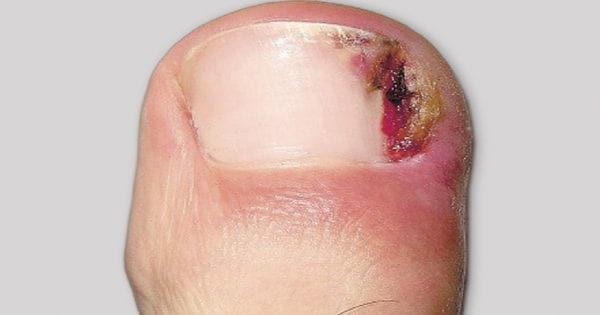
The days when people went to the doctor for this problem and left with a torn-off nail are long gone. However, it is a health complication that nearly everyone encounters in their life, at least once. So it is appropriate to explain how to proceed in such a case without the need to visit a surgeon or dermatologist.
An ingrown nail brings many complications that a person must deal with. Besides the threat of infection, which occurs especially with long-term failure to treat an ingrown nail, other negatives appear such as:
- Pain with every step
- Bleeding
- An unsightly appearance of the foot
The cause is improper trimming technique and also genetics
The most common cause of this ailment is an improperly chosen method of trimming nails. It is generally recommended to trim toenails straight across and not into an arc, which we mostly practice when caring for the hands.
Many people are practically predisposed to ingrown nails due to their genetic makeup and have essentially inherited this problem from their ancestors. Another reason can be poorly chosen footwear that presses on the limb and prevents proper nail growth. Limbs are practically deformed by poorly chosen shoes.
How can we resolve it from the comfort of home?
For effective removal of an ingrown nail and its subsequent treatment we will need Epsom salt, which is a salt containing an excess of magnesium and other minerals important for the human body. From this salt we then prepare a hot soak the size of a bucket or container where we can comfortably place our feet for about 30 minutes. This soak will make the skin on the feet softer and suitably prepared for the next step.
Also needed are tweezers, cotton pads, a bandage, scissors and an antibacterial cream/ointment. With all of these items we should pay attention to cleanliness and hygienic safety to prevent possible infection. Carefully trim the ingrowing nail to prevent further unwanted ingrowth into the skin. At this stage it is necessary to be really careful so as not to remove healthy skin unintentionally.
Then the nail area needs to be properly disinfected using an antibacterial cream or ointment. Next, wrap the toe with a bandage to create an ideal healing environment and also to prevent soiling of socks or shoes.
This process is recommended mainly at night when the human body rests. The feet are not burdened by further walking during this regeneration process and the overall healing regimen produces the most favorable result.