
Article content
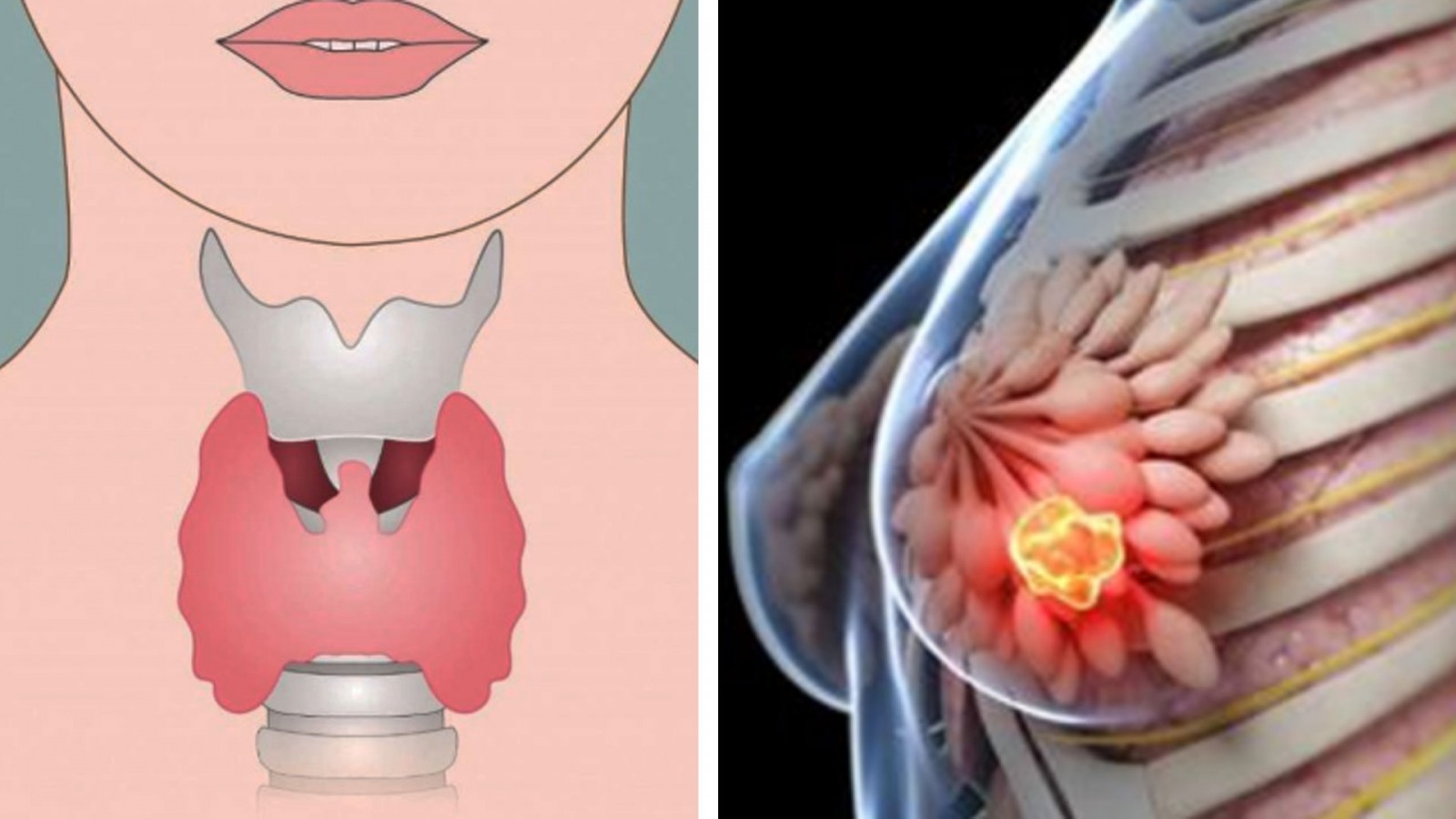
The sale of soy milk has risen sharply in recent decades, as it became a very popular alternative to cow’s milk, widely used not only by people with allergies but also by those primarily following a vegetarian or vegan diet. Although it seems to offer a number of benefits to its consumers that support its inclusion among superfoods, several long-term studies point to its negative effects on the human body, which can develop into very serious illnesses such as thyroid or breast cancer.
Composition of soy milk
The industrial production of cow’s milk involves a number of unfavorable processes, which are strongly opposed especially by people interested in promoting animal rights. Some substances contained in it also represent very strong allergens that either cause direct reactions or are metabolized very slowly (intolerance). Both of these reasons also led to the search for a suitable alternative that would replace cow’s milk both in taste and consistency. Soy milk initially appeared to be an ideal food, as it is plant-based (from soybeans) and could also be enriched with valuable vitamins and minerals that are typically obtained from cow’s milk. Primarily, it was meant to be a replacement not containing milk sugar, i.e. lactose, which is the main allergen, with a much lower content of saturated fatty acids and cholesterol. At the same time it provides sufficient vitamins A, B (B2 and B12) and D, calcium, iron and proteins. Alongside these beneficial elements, however, the composition also contains other (mainly supporting substances and flavor stabilizers) that are not entirely suitable for the human body. These include in particular:
- sugar (which is a substitute for lactose)
- salt (mainly sea salt)
- carrageenan (stabilizer)
How soy milk can harm health
In addition to containing inappropriate substances that mainly consist of stabilizing additives in the form of carrageenans (obtained from seaweed) with very effective preserving and thickening properties, which negatively affect primarily the overall immunity of the organism and its resistance to inflammatory diseases. Several studies have also demonstrated their association with the development of colon cancer. While carrageenans can be replaced by another natural stabilizer, the soybeans themselves, which are the main raw material for producing the product, are also characterized by a very unfavorable composition:
- they contain phytoestrogens and isoflavones, which contribute to an increased risk of infertility and the development of breast cancer
- they also have a high aluminum content, which negatively affects the nervous system and burdens the kidneys
- the natural toxins that soy contains can have a very negative effect on the menstrual cycle, as they contribute to changes in levels of female hormones
- the majority of soybeans grown for industrial purposes are genetically modified and treated with pesticides that transfer into the final product
- they contain phytic acid, which worsens the absorption of minerals such as iron, calcium or magnesium
- they have a high hemagglutinin content, which promotes the formation of undesirable blood clots
- their composition also contains goitrogens, which disrupt thyroid hormone production and contribute to the worsening of its function, and may also promote the development of cancer in this area


